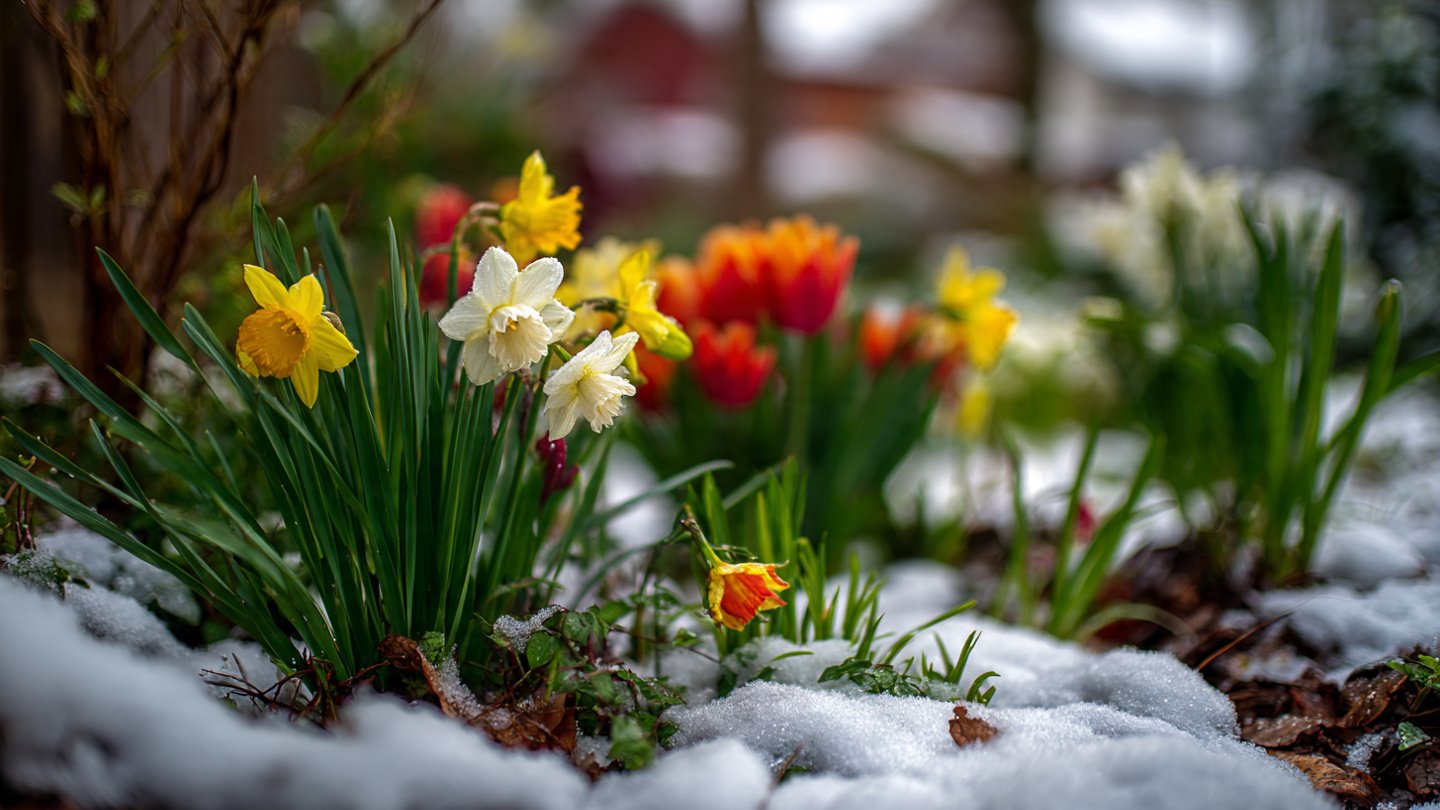

When you think of spring, the picturesque blooms of colorful bulbs often come to mind. However, what if you could coax those blooms out of their slumber in the midst of winter? While winter might seem the least promising time for flowers to blossom, there are effective strategies and techniques to achieve a delightful indoor spring flower display even when snow blankets your garden.
Understanding Spring Bulbs
Before we dive into the methods of inducing blooms, let’s understand what spring bulbs are. Spring bulbs like tulips, daffodils, and hyacinths are planted in the fall, requiring a period of cold dormancy to grow successfully. These bulbs essentially store energy in their tissues to support growth once the warmth of spring arrives. However, with a little manipulation, you can simulate these conditions indoors.
Forcing Bulbs: The Basics
Forcing bulbs is the process of encouraging them to bloom ahead of their natural schedule. Here’s a step-by-step guide on how to do this effectively:
Select Your Bulbs
Begin with choosing the right types of bulbs. Some of the most popular choices for winter forcing include:
- Tulips
- Daffodils
- Hyacinths
- Crocuses
- Snowdrops
Chill the Bulbs
The first step in forcing bulbs is to mimic the cold winter conditions they require. Place your chosen bulbs in a cool, dark area for about 10 to 14 weeks. This period of chilling is crucial, as it triggers the necessary physiological changes in the bulbs.
Tips for Chilling
- Use a refrigerator, tightly wrapped in newspaper or a paper bag to maintain humidity.
- Avoid storing fruits nearby, as the ethylene gas they emit can damage bulbs.
- Check periodically to ensure the bulbs are firm and healthy.
Potting the Bulbs
After the chilling period, it’s time to pot your bulbs. Here’s how to do it:
- Select an appropriate pot with drainage holes.
- Fill the pot with well-draining soil, leaving enough space for the bulbs.
- Plant the bulbs at the recommended depth for each type, usually about twice their height.
- Position the bulbs upright, close together, but not touching.
- Water the soil well, allowing excess water to drain.
Provide Proper Care
Once your bulbs are potted, the next step is providing the right environment for growth. Follow these care tips:
- Place the pots in a cool area (around 60°F or 16°C) with indirect sunlight until they start to sprout.
- Water them moderately to keep the soil moist but not soggy.
- After sprouting, move the pots to a brighter location to encourage flowering.
Indoor Maintenance for Blooming Bulbs
Once your bulbs start showing signs of growth, it’s important to keep them healthy through proper indoor maintenance:
Watering and Fertilizing
Keep a regular watering schedule. Bulbs prefer slightly moist soil, so water them when the top layer of soil feels dry. Fertilization can also boost their growth:
- Use a half-strength liquid fertilizer once a week until they bloom.
- Switch to a bloom formula once flowers appear to encourage vibrant blooms.
Temperature and Light
As mentioned, light and temperature play crucial roles in blooming:
- Maintain ambient temperatures around 70°F (21°C) to promote blooming.
- Provide plenty of natural light, which helps stimulate growth. If natural light is limited, consider using grow lights.
After Bloom Care
Post-bloom care is vital for the longevity of your bulbs. After blooming:
- Begin reducing your watering gradually.
- Leave the foliage intact until it naturally dies back. This allows the plant to store energy for future growth.
- Once the foliage turns yellow, you can store the bulbs in a cool, dry place until the next planting season.
Conclusion
Inducing spring bulbs to bloom in the heart of winter is a rewarding endeavor that can bring joy and color to your indoor space. By understanding the processes of chilling, potting, maintaining, and caring for your bulbs, you can successfully force them to bloom well before their natural schedule. With attention and patience, you’ll be rewarded with vibrant blooms that serve as harbingers of spring during the dreariness of winter. So, grab some bulbs, follow these steps, and enjoy the spectacle of flowers flourishing in your home while the world outside remains frozen.
FAQs
1. Can I force any bulb to bloom in winter?
Not all bulbs can be forced, but many popular varieties such as tulips, daffodils, and hyacinths are great options for indoor forcing.
2. How long does it take for forced bulbs to bloom?
After potting the bulbs post-chilling, it typically takes 3 to 6 weeks for them to bloom, depending on the type of bulb and environmental conditions.
3. What should I do if my bulbs don’t bloom?
If your bulbs fail to bloom, it could be due to inadequate chilling, insufficient light, or overwatering. Assess the conditions and adjust accordingly.
4. Can I replant bulbs after blooming indoors?
Yes, you can replant them, but ensure they are properly cared for, allowing them to gather energy in their leaves before storing or replanting.
5. Are there any specific varieties of bulbs that bloom better indoors?
Tulips, daffodils, and hyacinths are generally favored for indoor blooming, with hyacinths being especially fragrant and colorful.