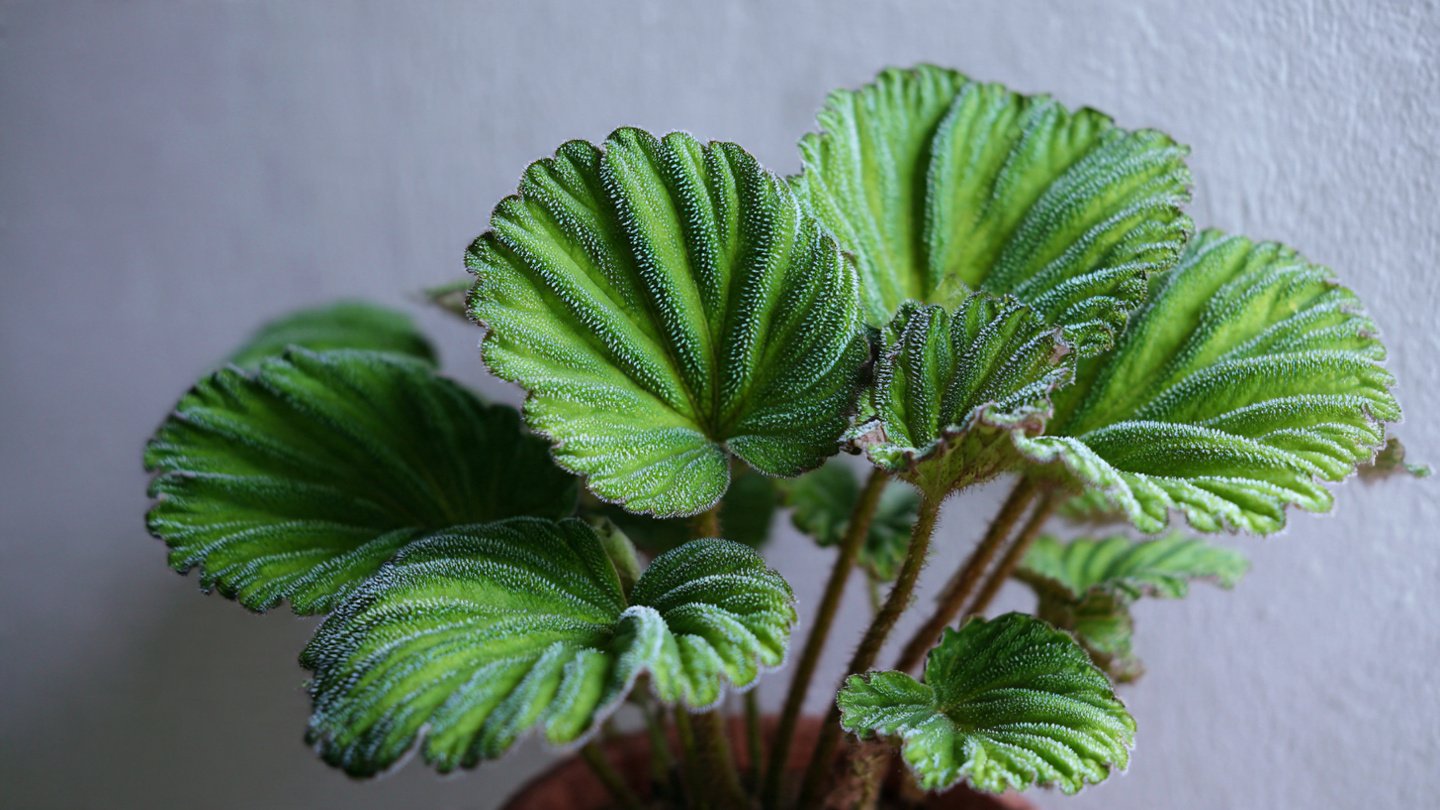

Fuzzy leaf plants, such as plant varieties from the African violet family or certain types of succulents, are adored for their unique textures and beautiful foliage. However, these fuzzy leaves can also be magnets for dust and debris. Accumulation of dust not only affects the aesthetic appeal of the plants but can also hinder photosynthesis and overall health. While many methods of cleaning plants involve water, there are effective strategies to remove dust without using it. This article explores these techniques in detail.
Understanding Fuzzy Leaf Plants
Fuzzy leaf plants have small, hair-like structures on their leaves known as trichomes. These structures trap moisture and contribute to the plant’s unique appeal but can also trap dust. When dust settles on these plants, it can significantly impact their ability to photosynthesize and absorb sunlight. Regular maintenance is essential to keep these plants healthy.
Why Avoid Water?
Water can be an effective cleaning method, but for fuzzy leaf plants, it’s often not the best choice. Wetting the leaves can lead to:
- Leaf Damage: Water can cause the fuzzy hairs to become matted or damaged.
- Increased Risk of Disease: Moistened leaves, if not dried properly, might invite fungal infections.
- Dust Compaction: Water can also compact the dust further into the trichomes, making it harder to remove.
Effective Dust Removal Techniques
1. Soft Brush Method
One of the safest and most efficient methods to remove dust is by using a soft-bristled brush.
- Select the Right Brush: A small paintbrush or a makeup brush with soft bristles works well.
- Technique: Gently brush the leaves in a circular motion, ensuring that the bristles are light enough to avoid damaging the fuzz.
2. Compressed Air
Compressed air cans, often used for cleaning electronics, can effectively remove dust from hard-to-reach spots.
- Distance Matters: Hold the canister at least 6 inches away from the leaves while spraying to avoid any damage.
- Short Bursts: Use short bursts of air to dislodge dust safely without overwhelming the plant.
3. Dry Microfiber Cloth
A microfiber cloth is another suitable tool for dusting fuzzy leaf plants.
- Technique: Gently wipe the leaves in one direction. Avoid excess pressure to protect the delicate trichomes.
- Frequency: Regularly dust your plants, as it’s easier to remove light dust compared to ingrained particles.
4. Gentle Dusting with a Q-tip
Q-tips can help in delicate cleaning tasks, particularly for plants with intricate leaf structures.
- Technique: Dampen one end of the Q-tip lightly with rubbing alcohol (optional) and gently clean around the fuzzy trichomes.
- Benefit: This method is excellent for detailed cleaning without excessive moisture.
5. Using a Vacuum Cleaner with a Brush Attachment
Some vacuums come with a brush attachment designed for delicate cleaning.
- Setup: Use the lowest suction setting to prevent damage.
- Technique: Hold the vacuum’s brush end a few inches from the plant and sweep over the leaves to suck up dust without direct contact.
Routine Maintenance for Fuzzy Leaf Plants
Aside from periodic dusting, regular maintenance practices can help reduce dust buildup.
- Positioning: Keep your plants away from areas that are prone to high dust accumulation, like near an open window or door.
- Air Quality: Consider using an air purifier in the room to help reduce the particulate matter that settles on your plants.
- Encouraging Humidity: Maintaining proper humidity can help dust particles settle, minimizing their accumulation on the leaves.
Conclusion
Removing dust from fuzzy leaf plants doesn’t have to involve water. Instead, employing effective techniques such as using a soft brush, compressed air, microfiber cloths, Q-tips, and vacuum cleaners can ensure your plants remain healthy and vibrant. By integrating these methods into your care routine, you can help your fuzzy leaf plants thrive while preserving their delicate structure.
FAQs
1. How often should I dust my fuzzy leaf plants?
It’s advisable to dust them every 1-2 weeks to prevent significant accumulation of dust.
2. Will cleaning my plants improve their health?
Yes, removing dust enhances photosynthesis, which can lead to better overall health and growth.
3. Is it harmful to use a damp cloth on fuzzy leaf plants?
Yes, using a damp cloth can harm the delicate trichomes and cause disease if moisture isn’t properly managed.
4. Can I use a leaf shine product on my fuzzy leaf plants?
It’s generally not recommended due to the delicate nature of the leaf texture. Stick with dust removal methods instead.
5. Are there any other tips for keeping my plants healthy?
In addition to dusting, ensure they are in appropriate light conditions, and avoid over or under-watering. Regularly check for pests as well.