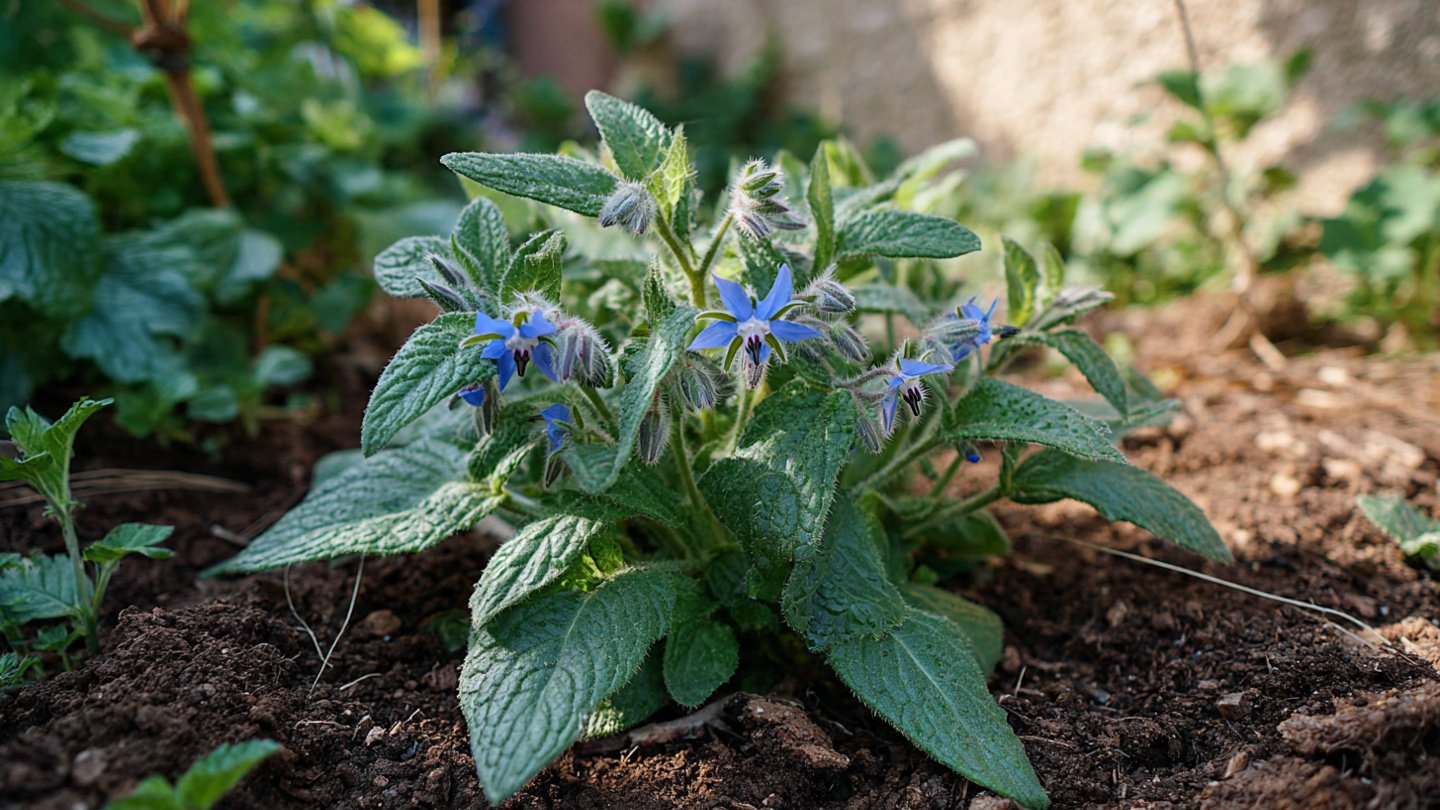

Gardening enthusiasts and culinary experts alike continuously seek new ways to enhance the flavors of their homegrown produce. Among these strategies, companion planting has emerged as a compelling method worth exploring. One particularly intriguing companion for tomatoes is borage (Borago officinalis), a flowering herb that offers a range of benefits to the garden, including the promise of tastier tomatoes. This article delves into the fascinating world of borage, examining its characteristics, benefits, and the science behind how it can transform the flavor of tomatoes.
Understanding Borage: The Star of the Garden
Characteristics of Borage
Borage is a hardy herb native to the Mediterranean region. Known for its striking blue, star-shaped flowers and large, fuzzy leaves, borage is not only aesthetically pleasing but also highly functional in the garden. The young leaves have a cucumber-like flavor, making them a delightful addition to salads and drinks. Borage is often used in herbal remedies due to its anti-inflammatory and antioxidant properties.
Growing Borage
Borage is easy to grow, adapting well to various soil types as long as they are well-drained. It prefers full sun, which helps to enhance its nutrient profile. The plant can reach heights of about 2 feet and may spread widely, so proper spacing is crucial when planting alongside tomatoes. Borage thrives in zones 3 through 10, making it a viable crop in many climates.
The Science of Companion Planting
Companion planting is the practice of growing two or more plant species together to benefit one or both. This method can deter pests, attract beneficial insects, or even enhance flavors. While the concept has been around for centuries, science has recently started to validate many of the traditional practices.
How Companion Plants Interact
Plants communicate and interact with one another in complex ways. These interactions can be beneficial, neutral, or detrimental, depending on the species involved. Some plants release chemicals into the soil or air, which can affect the growth, health, and flavor profiles of neighboring plants.
Borage and Tomatoes: The Perfect Pairing
Enhancing Flavor
One of the most exciting attributes of borage when planted alongside tomatoes is its potential to enhance their flavor. The reasons for this enhancement are both chemical and biological.
Nutritional Boost
Borage is rich in essential nutrients, including vitamins and minerals. When grown near tomatoes, it can contribute to the overall nutrient availability in the soil. This results in healthier plants that are better able to produce flavorful fruit. Tomatoes particularly thrive in nutrient-rich soils, leading to a more robust taste.
Aromas and Essential Oils
Borage contains volatile compounds that can affect the flavor of nearby plants. These compounds may enhance the production of essential oils and other aromatic compounds in tomatoes. The result? Tomatoes that boast a richer, more complex flavor profile.
Pest Deterrence
Borage is known to attract pollinators and beneficial insects such as bees, which are crucial for the pollination of tomatoes. Additionally, it has the ability to repel pests like the hornworm and aphids, which can damage tomato plants and affect the flavor of the fruit. Healthier plants free from pest damage tend to produce better-tasting tomatoes.
Soil Health
Borage has deep tap roots that can reach nutrients and moisture buried deeper in the soil. When borage plants die and break down, they contribute organic matter, enriching the soil with nutrients and improving its texture. Healthier soil contributes to better-tasting tomatoes.
Practical Tips for Growing Borage and Tomatoes Together
If you’re intrigued by the idea of planting borage alongside your tomatoes, here are some practical tips:
1. Timing Your Planting
Borage is an annual plant that can be sown directly into the ground after the last frost. Tomatoes are typically transplanted outdoors after frost danger has passed. Since borage can grow more quickly than tomatoes, consider planting borage seeds a few weeks before you transplant your tomatoes.
2. Spacing
Allow enough space between borage and tomatoes to prevent competition for nutrients. A spacing of 12 to 18 inches is often sufficient. This will ensure that both plants have adequate room to grow without hindering each other.
3. Incorporating Other Companion Plants
Consider creating a companion garden by incorporating other beneficial plants such as basil and marigolds. Basil not only enhances tomato flavor but also works well with borage in deterring pests.
4. Care and Maintenance
Both borage and tomatoes have similar water needs but be cautious not to overwater, as this can lead to root rot. Maintain a consistent watering schedule and ensure good drainage.
Flavor Transformation: What to Expect
While planting borage alongside tomatoes holds great promise, understanding the expected flavor transformation requires patience and observation. Here’s what you might expect:
Richer Flavor Profile
Tomatoes grown next to borage are often reported to be sweeter and juicier. The enhancement in flavor can often be attributed to the increased nutrient availability from the borage and the plant’s interaction.
More Aromatic Fruits
Tomatoes can develop a more aromatic scent when grown near borage. The distinctive perfume that can emanate from a tomato plant in bloom is enriched by the presence of neighboring borage.
Increased Yield
Beyond flavor, plants that grow in a companion relationship often yield a higher quantity of produce. With borage helping to foster a healthier ecosystem in your garden, you may find that you harvest more tomatoes, further enhancing your dishes.
Beyond Flavor: Additional Benefits of Borage in the Garden
While the focus here has been on flavor enhancement, borage offers a wealth of additional benefits that contribute to the overall health of your garden.
Attracting Beneficial Insects
Borage is a magnet for pollinators and predatory insects like ladybugs and lacewings that feed on aphids and other pests. As a result, it plays an essential role in maintaining a balanced ecosystem within your garden.
Soil Improvement
Borage thrives in poor soil and can improve the quality of the earth around it. Its decomposing leaves add organic matter to the soil, enhancing aeration and increasing water retention—both crucial factors for growing healthy tomatoes.
Medicinal Properties
Beyond the garden, borage has medicinal uses. Its leaves can be used in herbal teas or infused into oils, showcasing yet another benefit of including this plant in your home garden.
Conclusion
Planting borage alongside tomatoes is more than just a whimsical gardening strategy; it’s rooted in science and promise. The synergy between these two plants can lead to healthier growth, increased yields, and transformation in flavor. By leveraging the unique properties of borage—especially its nutrient contribution, pest-repelling qualities, and enhancement of tomato flavor—you can elevate your home gardening experience to new heights.
As gardeners and flavor connoisseurs look for ways to enrich their culinary endeavors, borage stands out as a compelling choice. With minimal effort and considerable reward, you just might find that a handful of borage growing among your tomato plants makes all the difference in your garden and your plate. Happy planting!