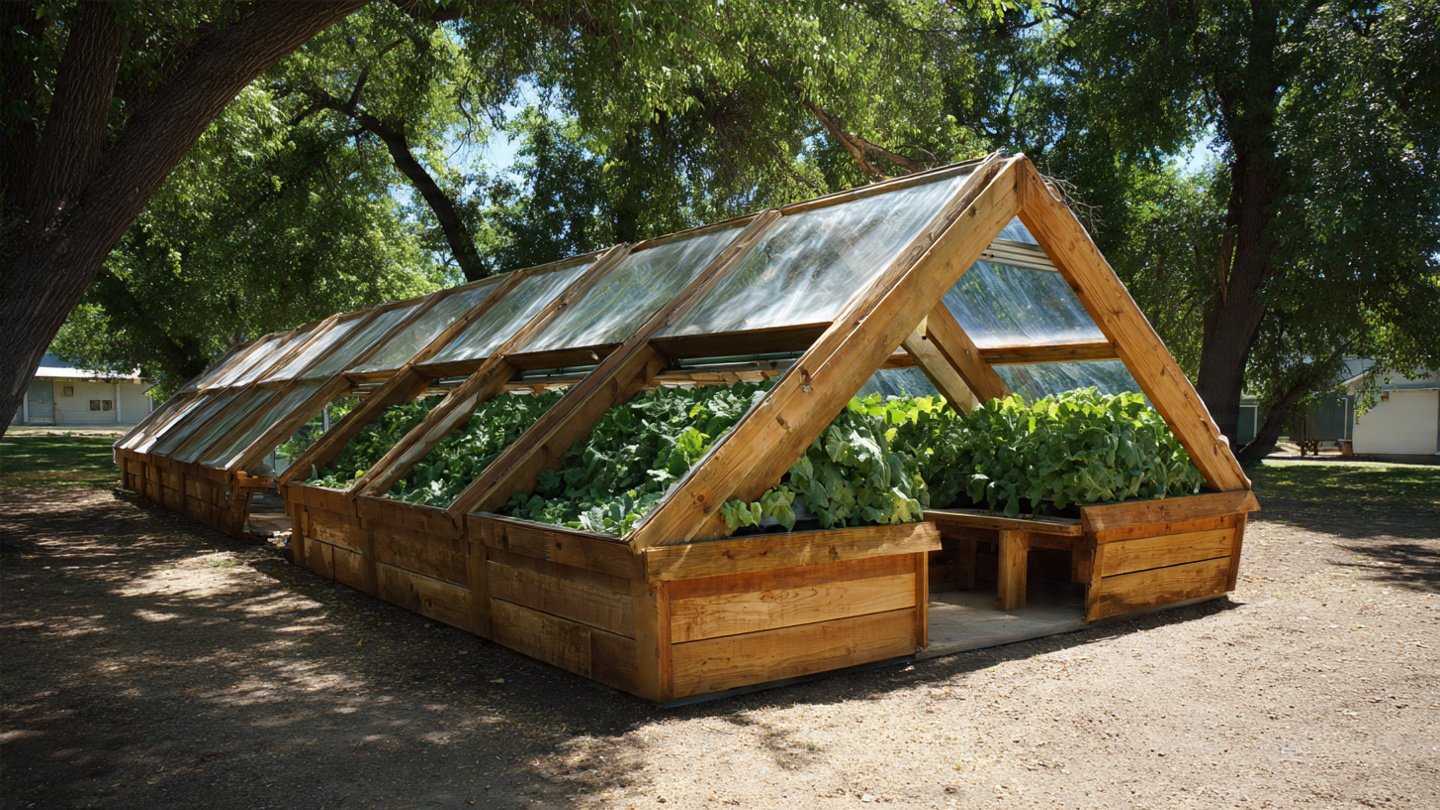

As the growing season comes to a close, many farmers and home gardeners look for effective ways to preserve their harvest. One of the most efficient and eco-friendly methods to do this is through solar dehydration. A solar dehydrator utilizes the sun’s energy to remove moisture from fruits, vegetables, and herbs, preserving their flavor, nutritional value, and shelf life.
What is a Solar Dehydrator?
A solar dehydrator is a device designed to dehydrate food by harnessing solar energy. It typically consists of a box-like structure with trays for food placement, a clear cover for sunlight penetration, and vents to ensure proper airflow. Unlike electric dehydrators, solar dehydrators operate without the use of electricity, making them a sustainable option for food preservation.
How Solar Dehydrators Work
The primary function of a solar dehydrator is to create an environment where moisture can evaporate efficiently. Here’s how the process works:
- Solar Collection: The dehydrator’s design allows it to collect sunlight, which heats the air inside the unit.
- Air Circulation: As the air heats up, it rises, creating a natural airflow that pulls fresh, drier air into the dehydrator.
- Moisture Evaporation: This hot air circulates around the food, facilitating the evaporation of moisture. The vents help release the humid air as new dry air enters.
The efficiency of a solar dehydrator depends on several factors, including the amount of direct sunlight available, the local climate, and the dehydrator’s design.
Benefits of Using a Solar Dehydrator
Using a solar dehydrator offers multiple advantages for anyone looking to preserve their harvest:
Eco-Friendly Preservation
Solar dehydrators utilize renewable energy, reducing reliance on fossil fuels and lowering your carbon footprint. This makes them an environmentally-friendly choice for food preservation.
Cost-Effective
While the initial investment for a solar dehydrator can vary, it typically pays off over time by eliminating electricity costs associated with traditional dehydrators. Additionally, growing your own food reduces grocery bills, and preserving it can minimize food waste.
Enhanced Flavor and Nutritional Value
Solar dehydrators preserve the natural flavors and nutrients of the food better than some other preservation methods, such as freezing. Dehydration concentrates flavors, resulting in tastier dried products.
Versatility
Solar dehydrators can be used for a wide variety of foods, including:
- Fruits: Apples, bananas, strawberries, and tomatoes
- Vegetables: Peppers, carrots, zucchini, and herbs
- Meats: Jerky can also be prepared using solar dehydration, provided safe temperatures are maintained.
Easy to Use
Once set up, using a solar dehydrator is simple. You just slice your fruits or vegetables, place them on the trays, and let the sun do the work. It requires minimal oversight, making it convenient for busy individuals.
How to Use a Solar Dehydrator
Here’s a step-by-step guide to maximize your harvest using a solar dehydrator:
Step 1: Preparation
Wash and slice your fruits and vegetables into uniform pieces to ensure even drying. The size of the pieces will dictate the drying time. Generally, thinner slices dehydrate faster.
Step 2: Arrange in Trays
Place the slices on the dehydrator trays. Make sure they are spaced apart, allowing air to circulate freely around each piece.
Step 3: Place in Sunlight
Position your solar dehydrator in a location that receives direct sunlight for most of the day. The optimal angle often ensures that sunlight hits the transparent cover directly.
Step 4: Monitor
Check on your food every few hours, rotating the trays if necessary to ensure even drying. Depending on the type of food and environmental conditions, dehydration can take anywhere from a few hours to over a day.
Step 5: Store Properly
Once dehydrated, store your preserved food in airtight containers in a cool, dark place to maximize shelf life. Properly dehydrated food can last for months, or even years, if stored correctly.
Challenges and Considerations
While solar dehydrators offer numerous benefits, there are some challenges to consider:
Weather Dependency
Solar dehydrators rely on sunny weather conditions. Cloudy days or early-winter seasons with limited sunlight can hinder the dehydration process. It’s essential to monitor weather conditions and adjust your dehydration schedule accordingly.
Temperature Control
Maintaining optimal temperatures is crucial, especially when dehydrating meats. Ensure your dehydrator can reach a temperature range of at least 130°F to 160°F to safely dehydrate food without risking bacterial growth.
Initial Setup
Although you can purchase solar dehydrators, many enthusiasts choose to build their own. This process requires some woodworking skills and knowledge about solar energy principles. However, there are many resources and plans available online to help you get started.
Conclusion
A solar dehydrator can revolutionize how you preserve your harvest this season. By utilizing sustainable energy, it not only reduces food waste but also enhances the flavor and nutritional value of your produce. As technology advances and eco-friendly practices grow in popularity, the solar dehydrator stands out as an effective and cost-efficient solution. Whether you’re a seasoned gardener or a casual home cook, incorporating solar dehydration into your food preservation efforts can yield delicious results and maximize your harvest’s potential.
FAQs
1. How long does it take to dehydrate food in a solar dehydrator?
The time varies depending on the type of food, thickness of slices, temperature, and sunlight availability, typically ranging from several hours to over a day.
2. Can I use a solar dehydrator at night?
No, solar dehydrators require sunlight to operate effectively. However, you can continue the dehydrating process using other methods if the weather doesn’t permit.
3. What foods should not be dehydrated?
Foods with high-fat content, such as avocados, or those that don’t dehydrate well, like watery cucumbers, are typically not ideal for solar dehydration.
4. Can I build my own solar dehydrator?
Yes, many people choose to build their own solar dehydrators. There are numerous online resources and plans that can guide you in creating an effective unit.
5. Is it safe to dehydrate meat in a solar dehydrator?
Yes, but you need to ensure proper temperatures and food safety guidelines are followed to prevent bacterial growth.