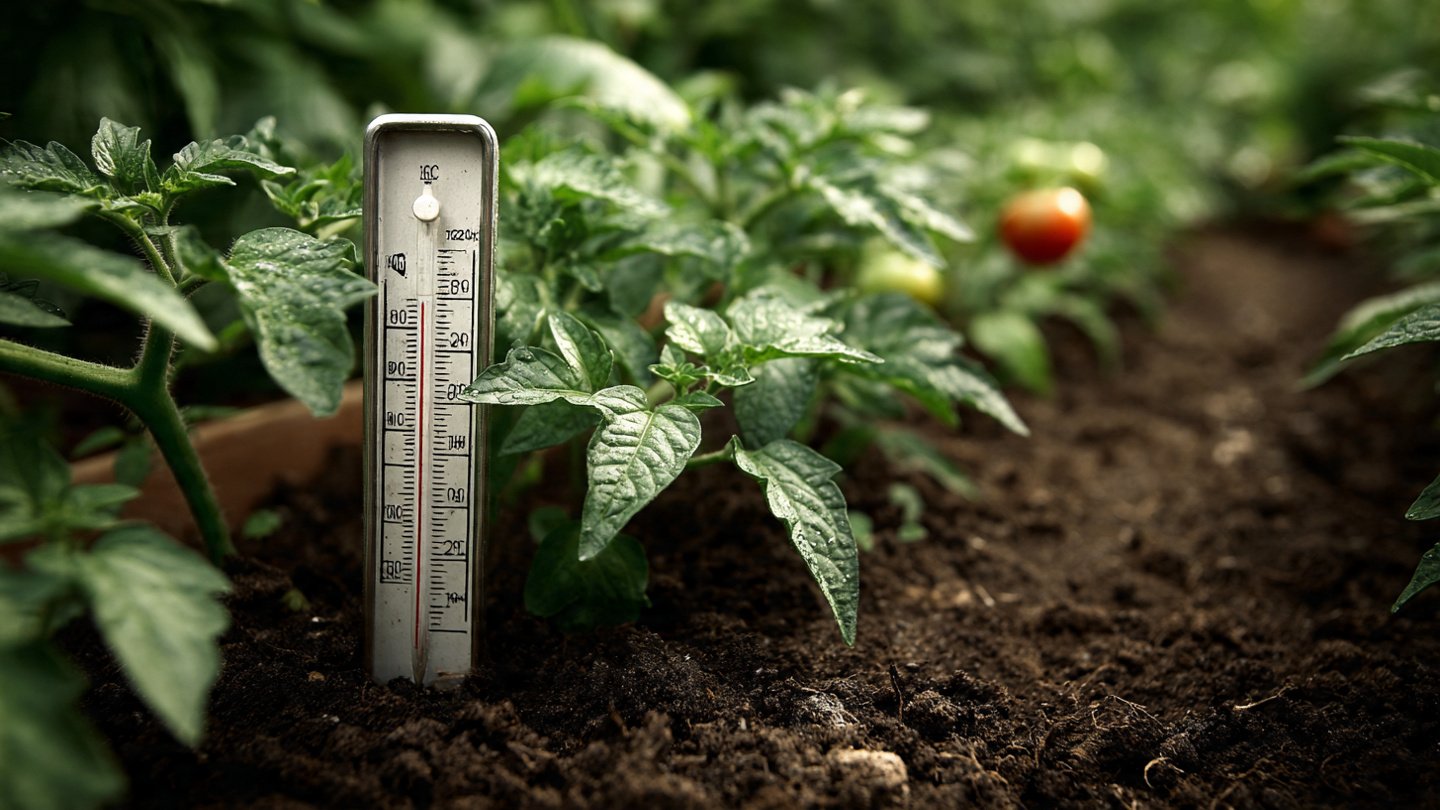

When it comes to gardening and agriculture, understanding your soil is crucial for success. Among the many tools available to help you get the most out of your garden, the soil thermometer is one that can make a significant difference. In this article, we will explore what a soil thermometer is, how it works, its benefits, and how to effectively use it to transform your planting success.
What is a Soil Thermometer?
A soil thermometer is a specialized tool designed to measure the temperature of the soil at different depths. Unlike regular thermometers that measure air temperature, soil thermometers generally feature a long probe to allow for readings deeper in the ground. This is important because soil temperatures can vary significantly from air temperatures, and different plants thrive at different soil temperatures.
Types of Soil Thermometers
-
Dial Thermometers: These have a dial gauge to show the temperature. They are often built with a long, metal probe and are quite durable.
-
Digital Thermometers: These offer a digital readout and often come with features like memory storage, alarms for certain temperature thresholds, and the ability to measure at various depths.
-
Infrared Thermometers: These measure surface temperature without direct contact and can be useful for quick surface assessments, although they do not gauge temperature at depth.
The Importance of Soil Temperature
Soil temperature directly impacts plant growth and development. Here’s why it matters:
-
Seed Germination: Different seeds have optimal temperature ranges for germination. For example, cool-season crops like peas prefer soil temperatures between 45°F and 65°F, while warm-season crops such as tomatoes thrive at 65°F to 75°F.
-
Root Development: Cooler soil temperatures can slow root growth, leading to stunted plants. Conversely, overly warm soils can stress plants and make them more susceptible to disease.
-
Nutrient Availability: Soil temperature affects microbial activity and nutrient release. Warmer soils generally promote faster decomposition of organic matter, enhancing nutrient availability for plants.
-
Pest Control: Some soil-borne pests thrive in warmer soils, while others prefer cooler conditions. Monitoring soil temperature can inform your pest management strategies.
-
Water Management: Warmer soils tend to dry out faster, necessitating changes in irrigation practices. Understanding your soil temperature can guide your watering routine, ensuring that plants receive the moisture they need.
Benefits of Using a Soil Thermometer
1. Optimal Planting Times
A soil thermometer allows gardeners and farmers to make informed decisions about when to plant. Instead of relying solely on calendar dates, you can rely on actual soil temperature. This is particularly valuable in regions with unpredictable weather or microclimates.
2. Tailored Crop Choices
With precise soil temperature readings, you can choose crops that fit your specific conditions. This helps optimize yields and enhances the overall success of your planting efforts.
3. Enhanced Growth Rates
By planting at the right time and with the right crops, you facilitate better growth rates. Healthy plants produce higher yields and are less prone to diseases and pests.
4. Improved Soil Management
Regularly monitoring soil temperature can inform your practices regarding tillage, mulching, and composting, ensuring that your soil remains healthy and supportive of plant life.
5. Sustainable Practices
Understanding the optimal growing conditions helps reduce unnecessary inputs like fertilizers and pesticides, promoting more sustainable gardening and farming practices.
How to Use a Soil Thermometer Effectively
1. Choose the Right Tool
Select a soil thermometer that fits your needs—whether you prefer a dial, digital, or infrared model. Ensure it has an adequate probe length to reach your desired soil depth.
2. Know Where to Measure
Temperature can vary depending on location—a sunny spot might be significantly warmer than a shaded area. Measure in different locations to get an average reading across your garden or field.
3. Measure at Different Depths
Different plants have different root depths; thus, it’s important to measure soil temperature at varying depths. A common method is to take readings at both 2 and 4 inches deep.
4. Monitor Regularly
Soil temperature can fluctuate based on weather conditions, so it’s essential to check regularly, especially during planting season. Daily or weekly temperature readings can provide valuable insights.
5. Record Your Findings
Keeping track of your soil temperature readings can help in planning for future growing seasons. Look for patterns that correlate with plant performance.
6. Adjust Planting Practices
Based on your readings, you might need to adjust your planting dates, irrigation, or soil amendments. For example, if soil temperature is too low, consider starting seeds indoors or using row covers.
Real-Life Applications in Gardening and Agriculture
Home Gardening
For home gardeners, a soil thermometer can mean the difference between flourishing plants and disappointing harvests. Knowing the ideal time to plant various vegetables can lead to better yields. For instance, a keen gardener may discover that soil temperatures in their area suggest that potatoes can be planted earlier than expected, leading to an extended growing season.
Commercial Agriculture
In large-scale farming, soil thermometers can guide precision agriculture practices. Farmers can monitor soil temperature to ensure optimal planting times across large tracts of land. This data can drive decisions on irrigation levels and fertilizer application, maximizing yield while minimizing waste.
Community Gardening
In community gardens, varying microclimates can affect plant success. A shared soil thermometer can help community gardeners coordinate planting schedules and crop choices based on real data rather than hearsay.
Conclusion
A soil thermometer is a simple yet powerful tool that can transform your planting success. Understanding soil temperature allows gardeners and farmers to make informed decisions about planting times, crop varieties, and nutrient management, ultimately leading to healthier plants and better yields. Whether you are a home gardener, a commercial farmer, or part of a community gardening project, incorporating a soil thermometer into your practices can lead to more productive and sustainable gardening. The journey of growing successful plants begins beneath the surface—take the temperature of your soil, and unlock its potential!