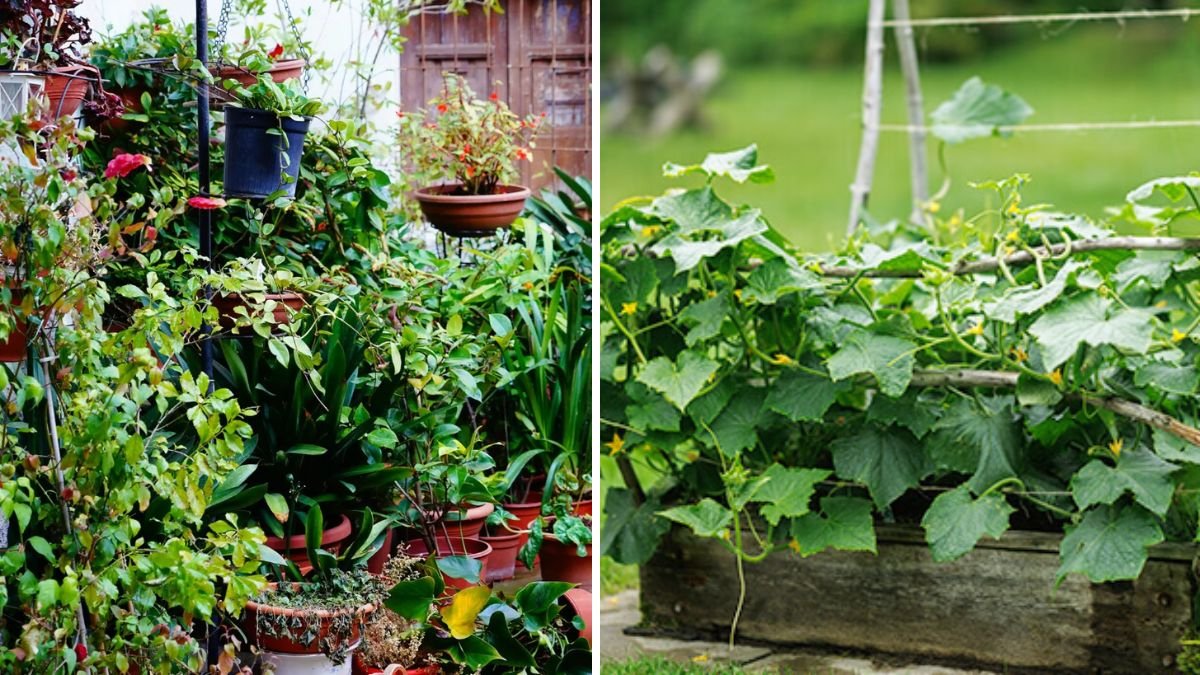

Growing plants at home—whether vegetables, herbs, fruits, or ornamentals—is one of the most satisfying activities you can enjoy. It connects you with nature, provides fresh food, beautifies your home, and brings emotional peace. But successful home gardening doesn’t happen by accident. It requires understanding your plants’ needs, preparing the right environment, and following practical techniques that encourage growth, health, and productivity.
Whether you are a beginner or an experienced grower, these effective, easy-to-follow tips will help you grow plants successfully at home—no matter how small your space is. With smart planning, consistent care, and the right methods, your balcony, terrace, windowsill, or backyard can transform into a thriving mini garden.
1. Start With the Right Plants
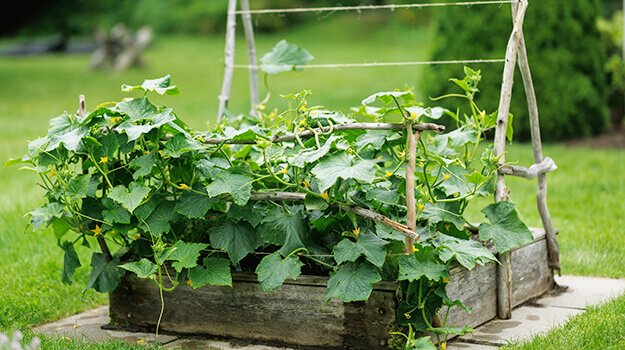
Choosing the right plant is the first step to successful home gardening.
Grow Plants That Suit Your Climate
Not all plants thrive everywhere.
Check whether a plant prefers:
- Warm weather
- Cool weather
- Partial shade
- Full sun
Begin with Easy Plants
If you’re new, start with:
- Tomatoes
- Basil
- Mint
- Spinach
- Aloe vera
- Marigold
These are hardy, forgiving, and grow well with minimal effort.
2. Use Quality Soil for Strong Growth
Soil is the foundation of every healthy plant.
Why Good Soil Matters
- Provides nutrients
- Improves root development
- Supports water retention
- Prevents diseases
Ideal Home Garden Soil Mix
For pots or grow bags, use:
- 40% compost
- 30% coco peat
- 20% garden soil
- 10% sand or perlite
A well-drained, fertile mix ensures faster growth and healthier plants.
3. Light Is Life—Give Plants the Right Amount
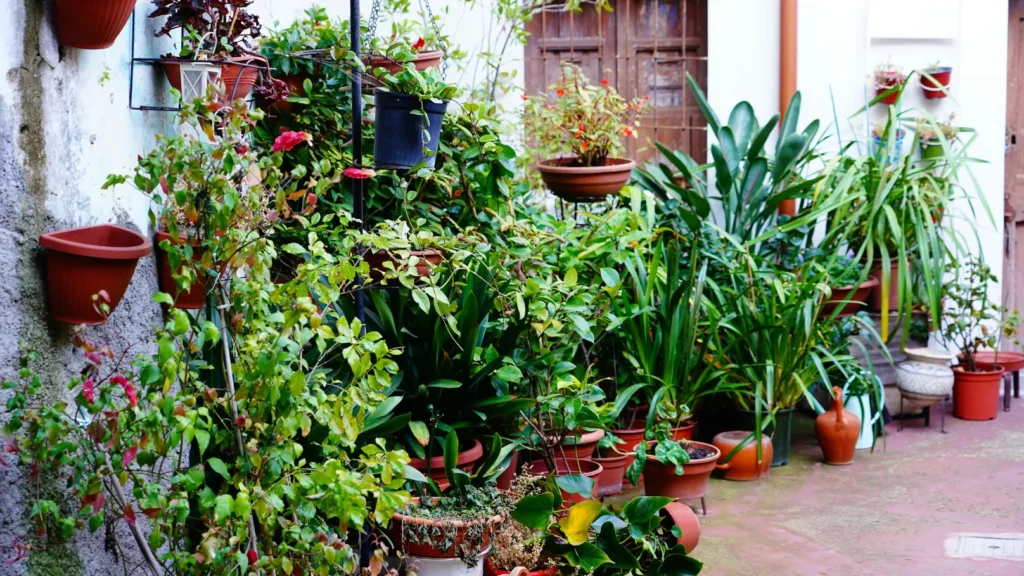
Different plants have different light requirements.
Full Sun Plants
Vegetables like tomatoes, chilies, cucumbers, okra, and most herbs need 6–8 hours of sunlight daily.
Partial Shade Plants
Leafy greens like spinach, lettuce, coriander, and ferns thrive in 3–5 hours of indirect light.
Indoor Plants
Indoor species like snake plant, pothos, and peace lily prefer low to medium light.
Placing plants in the correct spot increases their productivity dramatically.
4. Water Smartly—Not Too Much, Not Too Little
The most common mistake gardeners make is improper watering.
Tips for Perfect Watering
- Check soil moisture before watering.
- Water deeply rather than lightly.
- Water early in the morning.
- Never let pots dry out completely.
- Avoid waterlogging.
A Simple Test
Insert your finger 2–3 cm into the soil.
If it feels dry—water.
If moist—wait.
This prevents root rot and keeps your plants thriving.
5. Choose Proper Containers
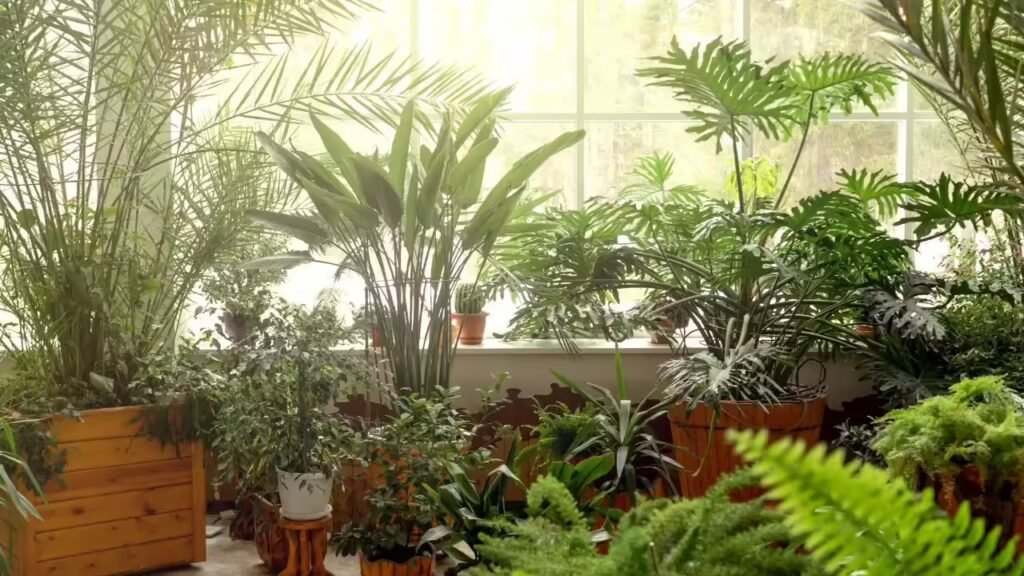
Plants grown at home often rely on pots, grow bags, or recycled containers.
Container Requirements
- Adequate drainage holes
- Enough depth for roots
- Good width for plant growth
Best Container Sizes
- Herbs: 6–8 inch pots
- Tomatoes & peppers: 12–18 inch pots
- Leafy greens: shallow broad containers
- Root vegetables: deep grow bags
The right container supports healthy root systems and encourages fast growth.
6. Feed Plants Regularly—Nutrition Matters
Plants need nutrients just like humans.
Organic Fertilizers That Work Well at Home
- Compost
- Vermicompost
- Cow dung
- Banana peel fertilizer
- Eggshell powder
- Epsom salt (magnesium)
- Seaweed extract
Apply small doses every 2–3 weeks.
This ensures steady growth and abundant harvests.
7. Prune and Pinch for Better Growth
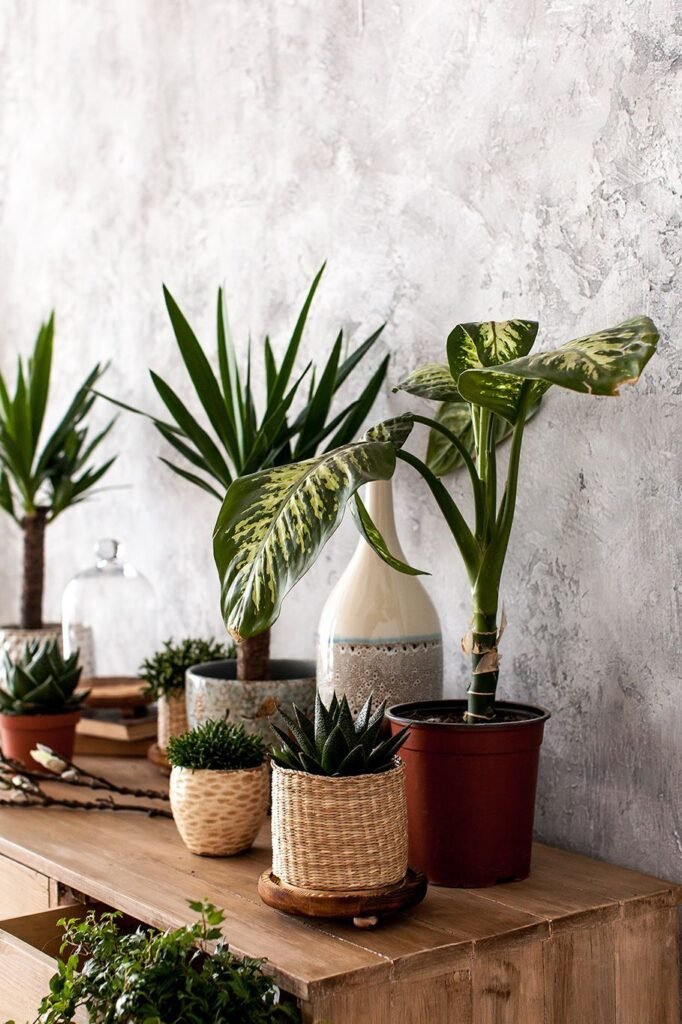
Pruning helps plants become healthier, bushier, and more productive.
Why Prune?
- Removes dead leaves
- Improves airflow
- Encourages new growth
- Increases yield
Pinching Tips
Herbs like basil, mint, and oregano grow better when you pinch the top leaves.
This encourages branching and fuller growth.
8. Protect Your Plants From Pests Naturally
Home gardening doesn’t require harsh chemicals.
Common Pests
- Aphids
- Whiteflies
- Mealybugs
- Caterpillars
- Fungus gnats
Natural Pest Control Solutions
- Neem oil spray (weekly)
- Soap-water spray
- Garlic-chili spray
- Yellow sticky traps
Keeping plants clean and well-ventilated also prevents pest attacks.
9. Rotate Crops and Refresh Soil
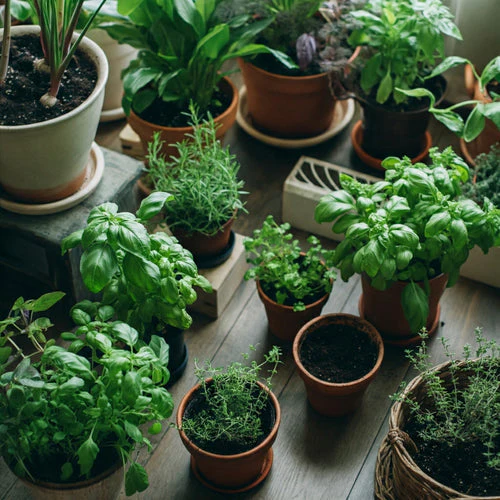
Using the same soil again and again reduces nutrients and invites disease.
Soil Maintenance Tips
- Add compost regularly
- Replace 25–30% of old soil each season
- Rotate vegetables to different pots
- Never grow tomatoes in the same soil two years in a row
Healthy soil = healthy plants.
10. Mulch to Maintain Moisture and Temperature
Mulching is one of the best-kept gardening secrets.
Benefits of Mulching
- Reduces water evaporation
- Keeps soil cool
- Prevents weeds
- Stops diseases caused by soil splash
Use materials like:
- Dry leaves
- Coco husk
- Straw
- Wood chips
Mulched plants grow faster and healthier.
11. Encourage Pollinators for Higher Yields
If you grow fruiting plants, pollinators are essential.
Ways to Attract Pollinators
- Grow flowers like marigold, lavender, sunflower
- Keep water dishes for bees
- Avoid using harmful chemicals
- Allow some wild plants to grow nearby
More pollination = more fruits.
12. Give Plants Proper Support
Plants like tomatoes, beans, cucumber, and peppers grow better when supported.
Support Options
- Bamboo stakes
- Trellis
- Netting
- Wooden frames
- String supports
A supported plant:
- Gets more sunlight
- Produces more flowers
- Stays disease-free
13. Keep Your Garden Clean and Organized
A clean garden is a healthy garden.
Maintenance Tips
- Remove dead leaves daily
- Clean fallen plant debris
- Keep pots spaced apart
- Wash tools regularly
Disease and pests spread quickly in cluttered areas—cleanliness protects your plants.
14. Start Composting at Home
Composting reduces waste and enriches your garden.
Items You Can Compost
- Fruit peels
- Vegetable scraps
- Tea leaves
- Coffee grounds
- Dry leaves
- Eggshells
Compost improves soil structure and provides slow-release nutrients.
15. Observe Your Plants Daily
The best gardeners are observant.
Look For:
- Yellow leaves
- Holes in leaves
- Wilting
- Slow growth
- Stunted flowers
- Unusual spots
Catching problems early helps rescue plants before damage becomes severe.
Final Thoughts
Growing plants at home is incredibly rewarding, and with the right techniques, anyone can do it. Whether you’re cultivating vegetables, herbs, flowers, or indoor plants, these essential tips ensure strong roots, healthy foliage, and abundant harvests. With good soil, proper watering, sunlight, and a bit of patience, your home can transform into a lush green sanctuary.
Small spaces, containers, and even windowsills can become productive gardens. No matter your experience level, remember that plants grow best when loved, observed, and consistently cared for. Follow these trusted home gardening tips and watch your plants flourish beautifully—with freshness, fragrance, and vibrant life all around you.