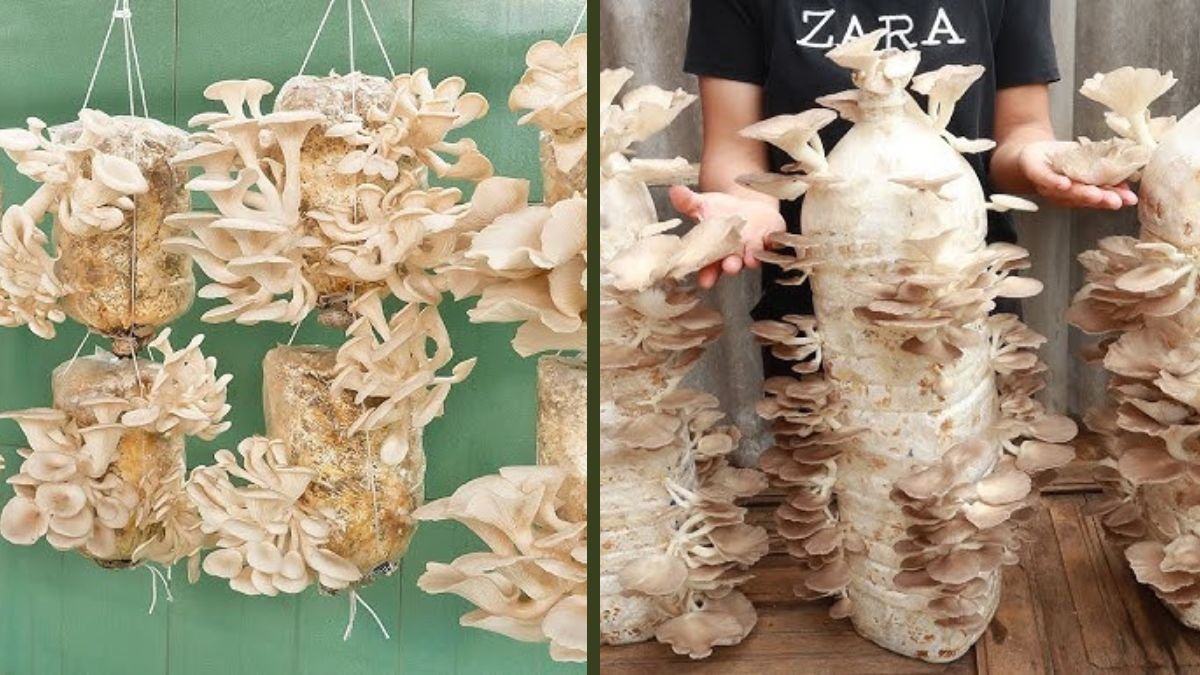

Introduction to Traditional Mushroom Growing
Growing mushrooms the traditional way has been practiced for generations. Long before modern kits and laboratories, people cultivated mushrooms using simple materials. This method is easy, low-cost, and highly effective. It does not require advanced tools or electricity. Even beginners can achieve success quickly. Traditional mushroom growing works well at home, in sheds, or in shaded corners. Mushrooms grow fast and provide nutritious food. This article explains the complete traditional process step by step.
Why Traditional Mushroom Growing Still Works
Traditional methods rely on natural conditions. Mushrooms thrive in moist, dark, and cool environments. These conditions are easy to create at home. Traditional techniques focus on simple substrates like straw and compost. Nature does most of the work. Minimal effort is required after setup. This method avoids expensive equipment. Consistent results make it reliable. Simplicity is its greatest strength.
Best Mushroom Varieties for Traditional Methods
Oyster mushrooms are the easiest for beginners. Button mushrooms are also commonly grown traditionally. Paddy straw mushrooms suit warm climates. These varieties grow fast and adapt well. They require minimal care. Oyster mushrooms are especially forgiving. Choosing the right variety ensures success. Beginners should always start simple.
Understanding Mushroom Growing Conditions
Mushrooms do not need sunlight. They grow best in darkness or low light. High humidity is essential. Temperature must remain moderate. Air circulation prevents mold. Cleanliness is important. These conditions are easy to manage indoors. Understanding basics improves yield.
Traditional Substrates Used for Mushrooms
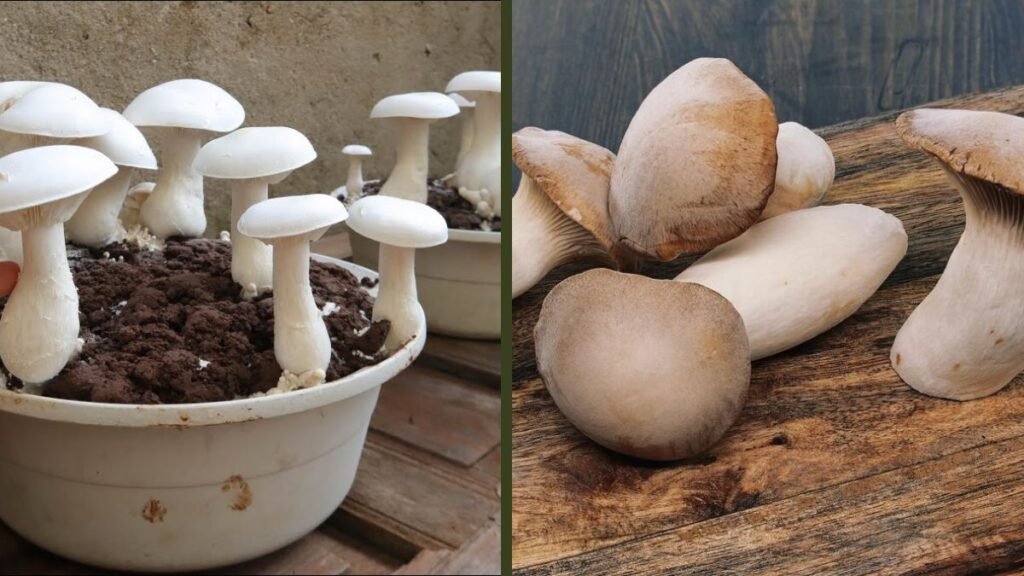
Straw is the most common substrate. Paddy straw works very well. Old compost is also effective. Sugarcane bagasse can be used. Substrate provides food for mushrooms. Proper preparation is important. Clean substrate reduces contamination. Traditional materials are easily available.
Preparing the Substrate Traditionally
Straw is chopped into small pieces. It is soaked in water overnight. Excess water is drained properly. Some methods use hot water treatment. This kills harmful microbes. Clean substrate ensures healthy growth. Preparation is simple but crucial. Proper steps prevent failure.
Spawning Process Explained
Spawn is mushroom seed material. It is mixed evenly with substrate. Traditional layering method is common. Substrate and spawn are layered alternately. Proper mixing ensures even growth. Spawn quality affects harvest. Clean hands and tools are essential. Spawning starts mushroom life.
Traditional Growing Containers
Plastic bags are commonly used. Baskets lined with plastic also work. Wooden boxes are traditional. Clay pots are sometimes used. Containers must hold moisture. Drainage holes allow airflow. Containers should be clean. Simple containers work perfectly.
Placing the Mushroom Setup
Keep containers in a dark place. Avoid direct sunlight. Temperature should remain stable. Bathrooms and storerooms work well. Moisture should be maintained. Avoid windy areas. Stable conditions support growth. Placement affects success.
Watering and Moisture Control
Mushrooms need moisture, not waterlogging. Spray water lightly on walls or floor. Do not pour water directly on substrate. High humidity encourages growth. Dry conditions stop development. Consistent moisture is key. Overwatering causes rot. Balance is essential.
Growth Stages of Mushrooms
White mycelium appears first. It spreads through the substrate. Small pinheads form next. Pins develop into mushrooms quickly. Growth is visible daily. Harvest follows soon after. Traditional methods show fast progress. Watching growth is exciting.
Quick Harvest Timeline
Oyster mushrooms are ready in two to three weeks. Button mushrooms take slightly longer. Traditional methods produce fast results. Multiple flushes are possible. Harvest continues for weeks. Quick harvest motivates beginners. Mushrooms grow faster than vegetables. Speed is a major advantage.
Harvesting Mushrooms Correctly
Harvest when caps are well formed. Use clean hands or knife. Twist gently at the base. Avoid pulling forcefully. Harvesting on time improves taste. Delayed harvest reduces quality. Regular harvesting encourages more growth. Clean harvesting prevents damage.
Common Problems and Solutions
Green mold indicates contamination. Poor airflow causes rotting. Low humidity slows growth. High temperature damages mycelium. Cleanliness prevents most issues. Traditional methods are forgiving. Early detection helps recovery. Simple corrections solve problems.
Comparison: Traditional vs Modern Mushroom Growing
Table written in words
Row headings: Aspect, Traditional Method, Modern Kit Method
Cost – Very low versus High
Difficulty – Easy versus Moderate
Equipment – Minimal versus Advanced
Suitability – Beginners versus Experienced growers
Nutritional Benefits of Homegrown Mushrooms
Mushrooms are rich in protein. They contain vitamins and minerals. Low in fat and calories. Good for immunity. Improve digestion. Fresh mushrooms are more nutritious. Homegrown mushrooms are chemical-free. Health benefits are significant.
Why Traditional Mushroom Growing Is Sustainable
It uses agricultural waste. Minimal water consumption. No chemicals required. Low energy usage. Reduces food waste. Encourages local food production. Eco-friendly practice. Sustainability is a major benefit.
Who Should Try This Method
Beginners will find it easy. Urban households can grow indoors. Farmers can scale production. Students can learn quickly. Homemakers can grow food. Anyone interested in healthy eating. Skill level does not matter. Everyone can try.
Long-Term Production Tips
Reuse substrate as compost. Maintain hygiene between cycles. Monitor humidity daily. Rotate growing areas. Improve ventilation gradually. Learn from each cycle. Experience improves yield. Consistency brings success.
Conclusion
Growing mushrooms the traditional way is easy, fast, and rewarding. With simple materials and basic care, anyone can harvest fresh mushrooms quickly. This method requires minimal effort and investment. Traditional practices prove that technology is not always necessary. Beginners can achieve success easily. Start traditional mushroom growing today and enjoy quick, healthy harvests at home.