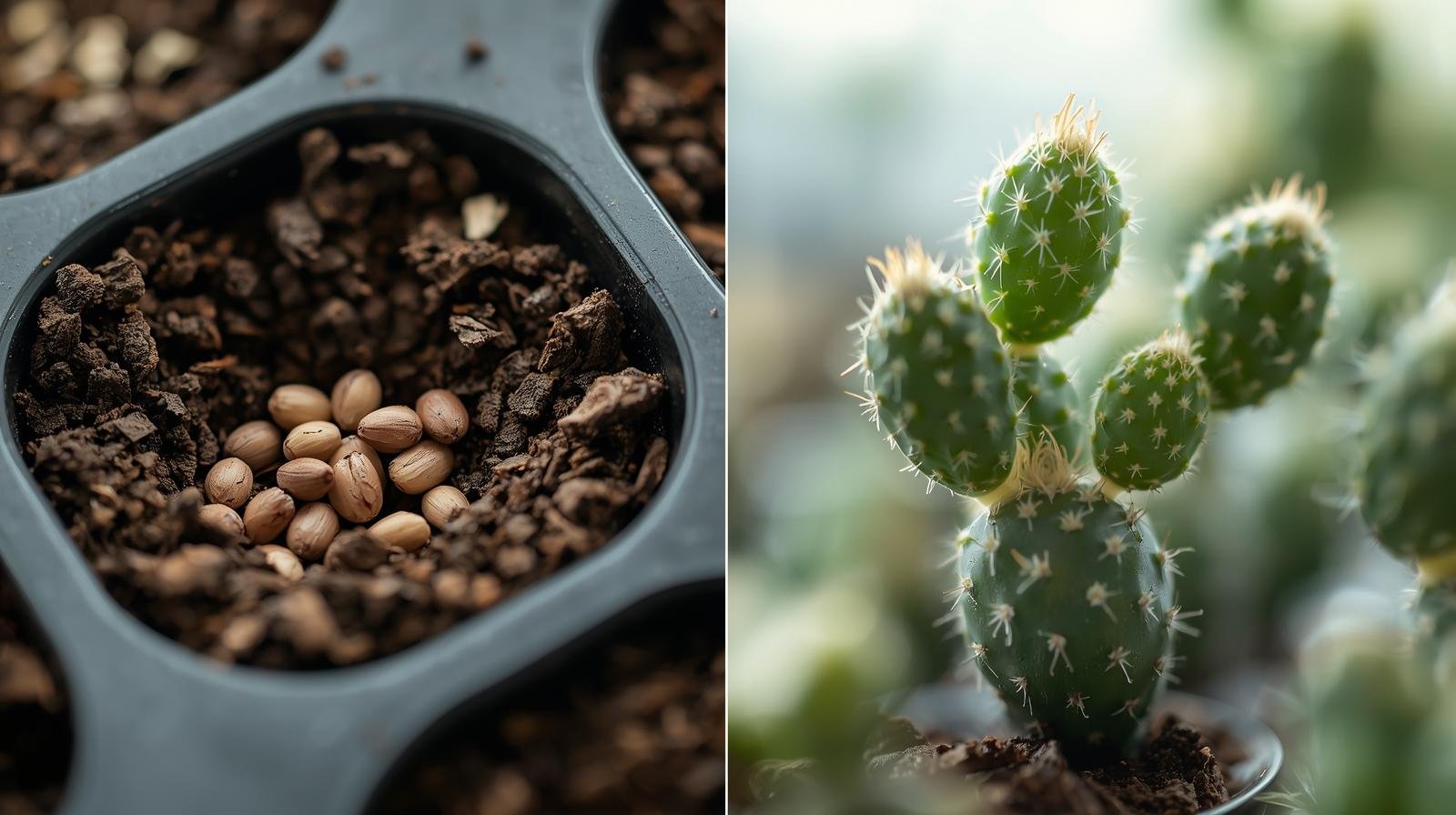

Introduction to Growing Cactus from Seed
Growing cactus from seed is a rewarding and fascinating gardening experience. Unlike buying mature plants, seed growing allows you to observe every stage of development. Cactus seeds produce unique varieties that are often unavailable in nurseries. The process requires patience, precision, and proper environmental control. Seed-grown cacti develop stronger root systems over time. This method is ideal for collectors and hobby gardeners. Growing from seed is also economical and educational. With correct care, success rates are surprisingly high.
Understanding Cactus Seed Biology
Cactus seeds are extremely small and lightweight. They rely on moisture and warmth to trigger germination. Most seeds are dormant until exposed to favorable conditions. The seed coat protects the embryo from harsh desert environments. Understanding seed biology helps avoid overwatering mistakes. Germination times vary by species. Some seeds sprout within days while others take weeks. Knowledge of seed behavior improves germination success.
Choosing the Right Cactus Seeds
Select fresh, high-quality seeds from trusted sources. Rare or hybrid varieties require special care. Beginners should start with hardy species like Echinopsis or Mammillaria. Avoid old or improperly stored seeds. Check seed viability before planting. Quality seeds increase success rates significantly. Variety selection determines growth speed and appearance. Proper selection ensures healthy seedlings.
Ideal Climate for Seed Germination
Cactus seeds prefer warm, stable temperatures. Ideal conditions range between seventy and eighty-five degrees Fahrenheit. High humidity is necessary during early stages. Direct sunlight should be avoided initially. Indoor propagation allows better control of climate. Sudden temperature changes slow germination. Stable conditions mimic natural desert rains. Climate control is critical for early success.
Preparing the Soil Mix
Use a light, fast-draining soil mix. Combine fine sand, perlite, and cactus compost. Sterilizing the soil prevents fungal infections. Avoid heavy garden soil. The soil should retain moisture briefly without staying wet. Fine texture supports tiny roots. Proper soil preparation prevents damping-off disease. Soil quality determines early growth strength.
Choosing Containers for Cactus Seeds
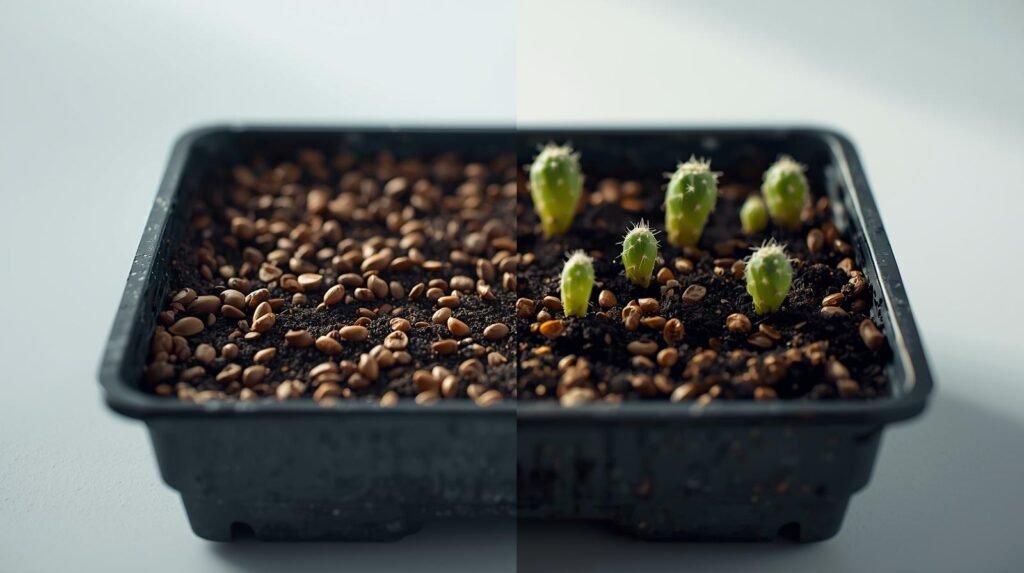
Shallow containers are ideal for seed trays. Drainage holes are essential. Plastic or clay containers work well. Transparent lids help maintain humidity. Containers should be clean and sterilized. Small containers reduce moisture imbalance. Seed trays allow even spacing. Proper containers protect seedlings during early stages.
Sowing Cactus Seeds Correctly
Scatter seeds evenly across the soil surface. Do not bury seeds deeply. Lightly press seeds into soil. Mist gently with water. Cover containers with plastic or glass. Label varieties clearly. Proper spacing prevents overcrowding. Gentle handling prevents seed displacement.
Watering During Germination
Moisture is critical but excess water is harmful. Use misting instead of pouring water. Soil should remain slightly damp. Avoid water pooling. Bottom watering is effective after sprouting. Monitor moisture daily. Overwatering causes rot and fungus. Balanced hydration ensures healthy seedlings.
Light Requirements After Sprouting
Once seedlings appear, provide bright indirect light. Avoid direct sunlight initially. Gradually increase light exposure. LED grow lights work well indoors. Proper light prevents stretching. Rotate trays for even growth. Light intensity influences plant shape. Controlled lighting promotes strong development.
Temperature Management
Maintain consistent warmth for seedlings. Night temperatures should not drop drastically. Heating mats are useful in cooler climates. Avoid placing trays near drafts. Sudden cold halts growth. Stable temperatures mimic natural desert cycles. Warmth accelerates development. Temperature stability improves survival rates.
Fertilizing Young Cactus Seedlings
Seedlings require minimal nutrients initially. Use diluted cactus fertilizer after several months. Overfeeding damages roots. Organic liquid feeds work best. Fertilize sparingly. Nutrients support slow, steady growth. Healthy feeding prevents weak seedlings. Fertilization timing is crucial.
Preventing Fungal and Algae Growth
High humidity can encourage fungus. Ventilate containers gradually. Remove covers once seedlings strengthen. Use sterile tools. Avoid stagnant moisture. Fungus is the most common failure cause. Preventive care saves seedlings. Cleanliness ensures survival.
Thinning and Transplanting Seedlings
Crowded seedlings compete for nutrients. Thin gently using tweezers. Transplant after six to twelve months. Handle roots carefully. Use similar soil mix for transplanting. Gradual acclimation prevents shock. Transplanting strengthens roots. Space improves airflow.
Hardening Off Young Cactus
Gradually expose seedlings to lower humidity. Introduce gentle sunlight slowly. Reduce watering frequency. This process strengthens plants. Sudden exposure causes stress. Hardening prepares plants for adult conditions. Proper transition prevents damage. Patience ensures survival.
Long-Term Growth Expectations
Cactus growth from seed is slow. Some species take years to mature. Growth rate depends on species and care. Patience is essential. Seed-grown plants live longer. Proper care rewards growers. Long-term commitment ensures success. Growth milestones vary widely.
Common Mistakes to Avoid
Overwatering is the most common error. Direct sunlight burns seedlings. Using unsterilized soil causes disease. Overcrowding slows growth. Ignoring ventilation causes mold. Impatience leads to failure. Avoid sudden environmental changes. Learning mistakes improves outcomes.
Benefits of Growing Cactus from Seed
Seed growing offers genetic diversity. Plants adapt better to local conditions. It is cost-effective. Rare species become accessible. Educational and rewarding experience. Strong root systems develop. Long-lived plants result. Seed growing builds gardening skills.
Cactus Seed Growing Care Table
Aspect
Recommended Practice
Seed Selection
Fresh high-quality seeds
Soil
Fine fast-draining mix
Watering
Misting and light moisture
Light
Bright indirect initially
Temperature
Warm stable conditions
Transplanting
After six to twelve months
Conclusion
Growing cactus from seed is a slow but fulfilling process. Success depends on patience and attention. Proper soil, moisture, and light are essential. Mistakes are learning opportunities. Seed-grown cacti reward dedication. Each plant becomes unique. Long-term care ensures beauty. This method deepens appreciation for desert plants.