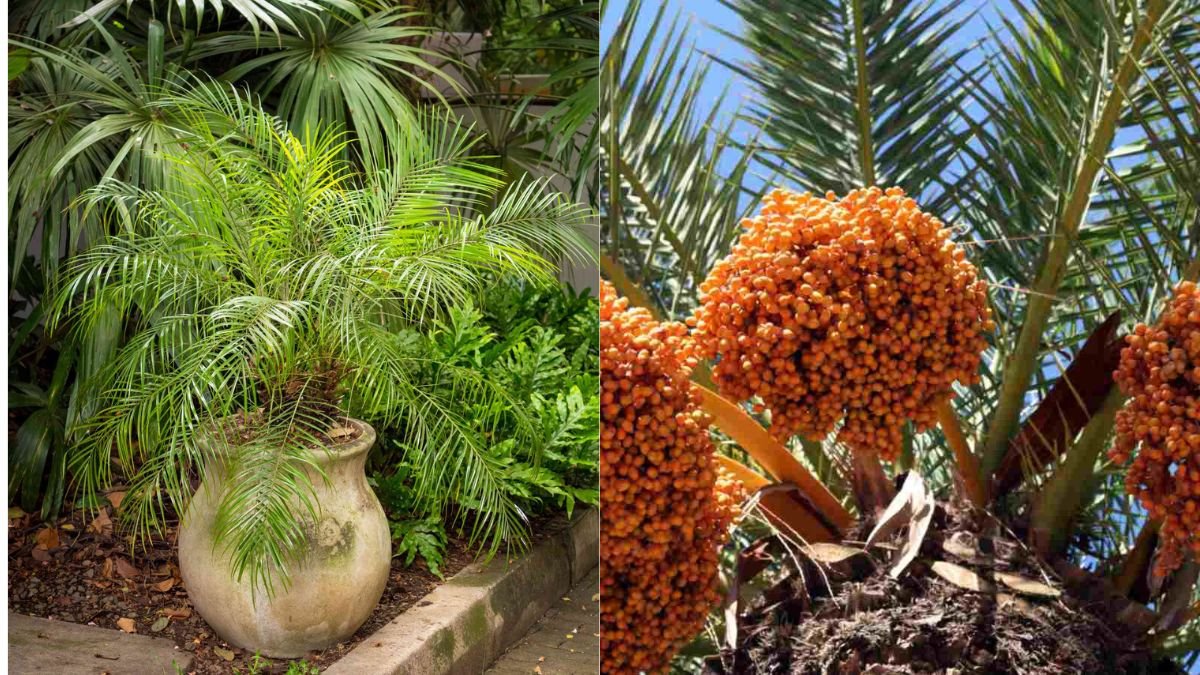

Date palms are one of the most iconic and rewarding fruit trees to grow. Known for their sweet, nutrient-rich fruits, long lifespan, and stunning tropical appearance, date palms (Phoenix dactylifera) are a prized addition to any home garden or terrace. While many believe that growing date palms requires vast space, arid climates, or professional expertise, the truth is that you can grow a date palm tree easily at home with the right method. This comprehensive 1200-word guide will take you through every step, from selecting seeds or offshoots to caring for a thriving homegrown date palm.
🌴 Why Grow a Date Palm at Home?
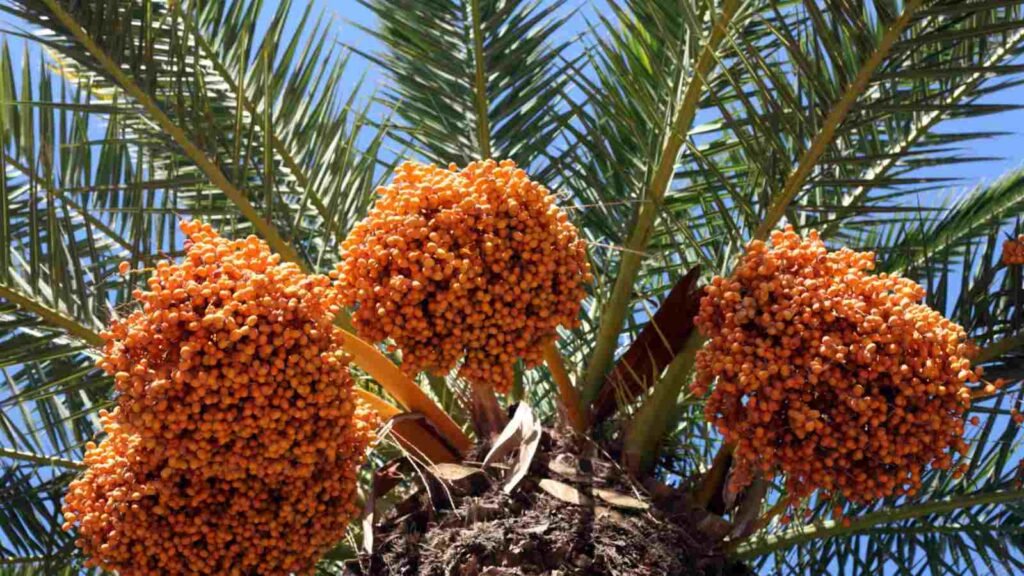
Homegrown date palms offer numerous benefits:
- Fresh, organic dates without pesticides or chemicals
- Tropical greenery that enhances gardens, balconies, or terraces
- Long lifespan: Date palms can live and produce fruit for decades
- Low-maintenance once established
- Educational and rewarding: Perfect for kids and gardening enthusiasts
Even if you live in a non-arid region, date palms can grow successfully in containers or carefully prepared garden beds with proper care.
🌴 Understanding the Date Palm Tree
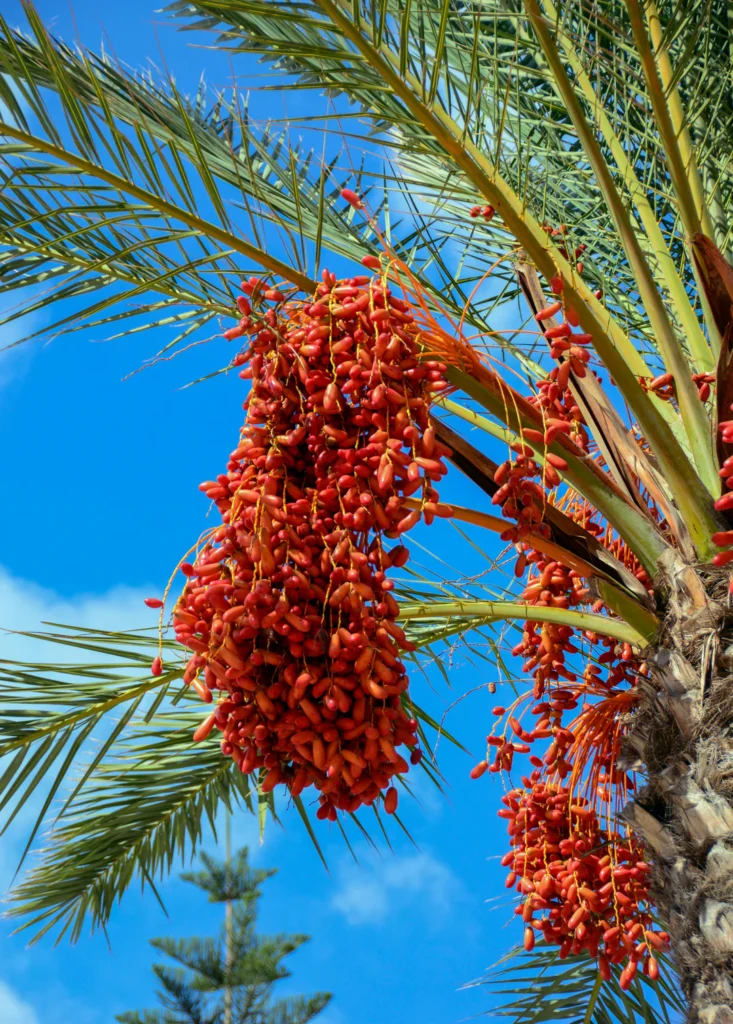
Botanical Name: Phoenix dactylifera
Plant Type: Perennial, dioecious palm tree
Growth Habit: Tall, single-trunked, crown of fronds
Sunlight Requirement: Full sun
Soil Preference: Well-draining, sandy loam, slightly acidic to neutral (pH 6–7)
Date palms are dioecious, meaning male and female flowers grow on separate plants. Female plants produce dates when pollinated by male trees. Home growers often focus on female plants for fruit production.
🌴 Step 1: Choosing the Right Seeds or Offshoots
Seeds:
- Extract seeds from fully ripe, high-quality dates.
- Wash thoroughly to remove fruit pulp and prevent fungal growth.
- Dry seeds in the shade for 1–2 days.
Offshoots (Suckers):
- Offshoots are young plants that grow from the base of mature date palms.
- Using offshoots produces fruit faster than seeds, as they are already partially grown.
- Choose healthy, pest-free offshoots for transplanting.
Optional Pre-soaking:
- Soak seeds in warm water for 24 hours to soften the seed coat and boost germination.
🌴 Step 2: Selecting Containers and Soil
Date palms can thrive in large pots or garden beds, depending on available space.
Container Guidelines:
- Minimum depth: 18–24 inches for young palms
- Material: Plastic, ceramic, or clay pots
- Must have drainage holes to prevent root rot
Soil Mix for Date Palms:
- 40% sandy loam or garden soil
- 30% compost or organic manure
- 20% cocopeat or vermicompost
- 10% sand for proper drainage
Good drainage is critical because waterlogged soil can damage date palm roots.
🌴 Step 3: Sowing Date Seeds
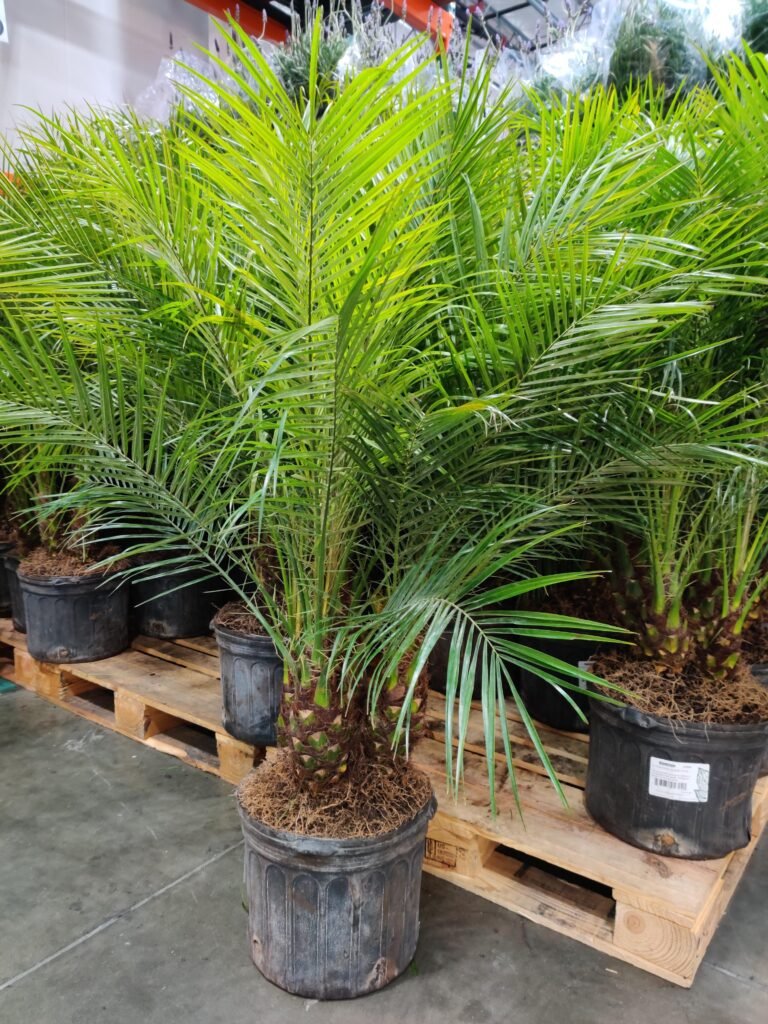
Steps:
- Fill a seed tray or small pot with the prepared soil mix.
- Plant seeds 1–2 cm deep.
- Cover lightly with soil and water gently.
- Place the container in warm, sunny conditions.
Germination Time:
- Seeds typically sprout in 3–8 weeks, depending on temperature and freshness.
- Keep soil consistently moist but not soggy.
Once seedlings develop 3–4 true leaves, they can be transplanted into larger pots or garden beds.
🌴 Step 4: Transplanting Date Palm Seedlings
When seedlings reach 6–12 inches tall, they are ready for transplanting.
Steps:
- Choose a sunny location or a large container.
- Dig a hole twice the size of the root ball.
- Place the seedling upright and fill with soil.
- Water thoroughly after planting.
Spacing Guidelines:
- Garden planting: 10–15 feet between trees
- Container planting: One seedling per large pot
🌴 Step 5: Watering Your Date Palm Tree
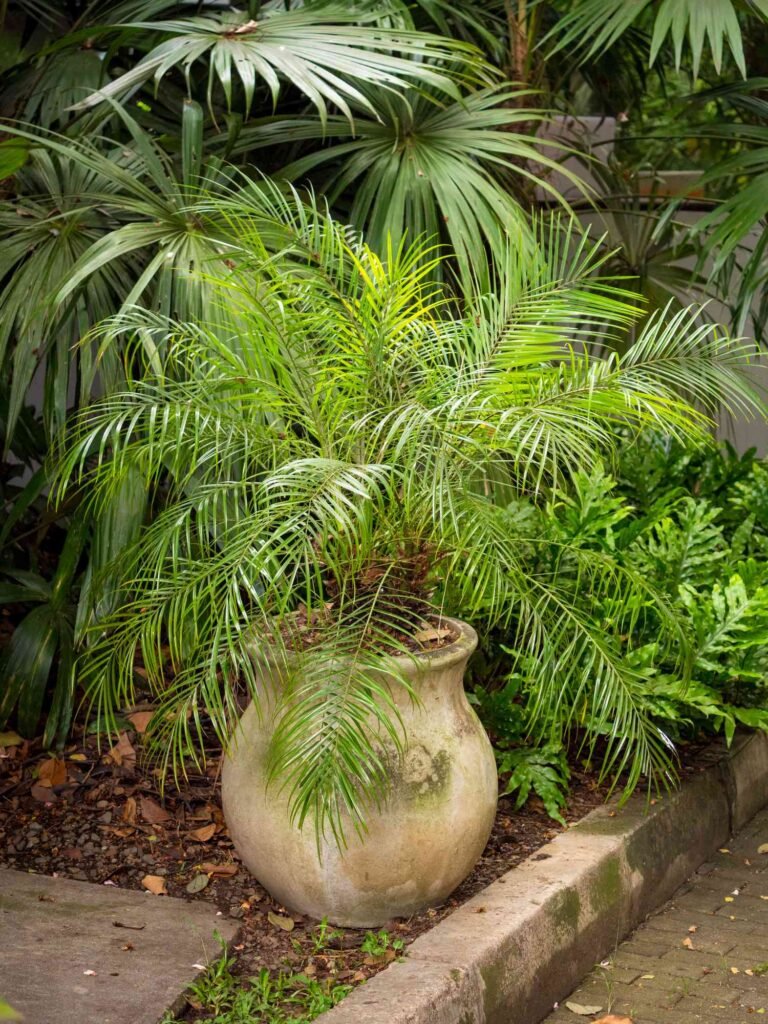
Date palms are drought-tolerant once mature, but young plants need consistent moisture to establish strong roots.
Watering Guidelines:
- Water young plants daily during hot weather
- Reduce frequency for established palms
- Mulch around the base to retain soil moisture and prevent weeds
Proper watering ensures rapid growth and healthy fronds.
🌴 Step 6: Sunlight and Temperature Requirements
Date palms thrive in full sun and warm climates:
- Sunlight: 6–8 hours daily
- Temperature: 25–35°C ideal for growth
- Protect seedlings from frost and extreme cold
- If growing indoors or in cooler climates, use a sunny balcony or greenhouse
🌴 Step 7: Fertilizing Date Palms
Date palms are heavy feeders in their early years. Proper fertilization encourages strong growth and future fruit production.
Organic Fertilizer Options:
- Compost or cow dung every 4–6 weeks
- Liquid seaweed or compost tea every 15 days for young seedlings
- Banana peel fertilizer for potassium to support frond development
Optional Mineral Fertilizers:
- Balanced NPK (10:10:10) once per month
- Reduce nitrogen once the plant matures to encourage fruiting
🌴 Step 8: Supporting Young Palms
Young date palms have soft stems prone to bending:
- Use bamboo stakes or wooden supports
- Tie the stem loosely to prevent breakage
- Gradually remove support as the trunk thickens
Proper support ensures upright growth and strong structure.
🌴 Step 9: Flowering and Pollination
Date palms are dioecious:
- Male plants: Produce pollen
- Female plants: Produce fruit when pollinated
- Some varieties are hermaphrodite and self-pollinating
Pollination Tips:
- Hand pollination improves fruit set in female trees
- Flowering typically occurs 3–5 years after planting from seed
- Offshoots can bear fruit earlier, within 2–3 years
🌴 Step 10: Pruning and Maintenance
Pruning is essential for healthy growth and fruit production:
- Remove dead or yellow fronds regularly
- Trim old flower stalks to promote new flowering
- Avoid damaging the main trunk during pruning
Healthy palms with proper pruning are more productive and aesthetically pleasing.
🌴 Step 11: Pest and Disease Management
Date palms are hardy but can face occasional pests:
- Mealybugs, scale insects, spider mites
- Fungal infections like leaf spot or root rot
Organic Solutions:
- Neem oil spray every 2–3 weeks
- Proper drainage and sunlight to prevent fungal growth
- Remove infected leaves promptly
Maintaining clean soil and proper care keeps your date palm healthy.
🌴 Step 12: Harvesting Date Fruits
Dates grow on female trees after successful pollination.
Harvesting Tips:
- Fruit ripens 6–12 months after flowering, depending on variety
- Pick dates when they are plump and golden-brown
- Use scissors or a knife to cut fruit clusters carefully
- Allow fruits to dry slightly for maximum sweetness
With patience, homegrown dates are sweeter and healthier than store-bought options.
🌴 Why This Method Works Well at Home
This home-growing method is perfect because it:
✔ Works in containers, terraces, or gardens
✔ Produces fruit within 2–5 years (faster with offshoots)
✔ Uses organic, readily available fertilizers
✔ Requires minimal maintenance once established
✔ Is beginner-friendly and visually appealing
Even small-space gardeners can enjoy fresh dates and tropical greenery using this approach.
🌴 Final Thoughts
Growing a date palm tree at home is not only feasible but highly rewarding. From seed selection or offshoot planting to proper watering, sunlight, fertilization, and maintenance, this step-by-step guide ensures success for beginners and experienced gardeners alike.
With patience and consistent care, your home or balcony will soon be adorned with tall, majestic date palms, producing delicious, nutritious fruits for years to come. Start today, and experience the joy of homegrown tropical sweetness!