

Paragraph 1: Introduction to Guava Propagation
Guava is a popular fruit tree valued for its delicious taste and nutritional benefits. Growing guava from cutting is one of the fastest propagation methods. Unlike seeds, cuttings produce true-to-type plants. This method ensures early fruiting and uniform quality. Home gardeners prefer it due to simplicity. It is suitable for small gardens and farms. Proper technique ensures high success. This article explains the complete process. Beginners can easily follow.
Paragraph 2: Why Choose Cutting Method
Cutting propagation saves time compared to seed growth. Seed-grown plants take longer to bear fruit. Cuttings maintain parent plant characteristics. Fruit quality remains consistent. Survival rate is high with correct care. It requires minimal equipment. Farmers use this method for commercial plantations. Faster yield increases profitability. This method is reliable and efficient.
Paragraph 3: Best Season for Guava Cuttings
The best time for guava cutting is during warm and humid seasons. Spring and early monsoon are ideal. Avoid extreme summer heat. Moderate temperature helps root formation. Morning hours are best for cutting collection. Humidity reduces moisture loss. Seasonal timing improves success rate. Proper climate speeds up rooting. Timing matters significantly.
Paragraph 4: Selecting Healthy Mother Plant
Choose a healthy, disease-free guava tree. The plant should be productive with good fruit quality. Avoid old or weak trees. Mother plant health affects cutting success. Branches should be semi-hardwood. Strong shoots root faster. Regularly pruned trees provide better cuttings. Healthy source ensures strong plants. Selection is critical.
Paragraph 5: Preparing Guava Cuttings
Cuttings should be about pencil thickness. Length should be moderate with nodes. Remove lower leaves completely. Keep few leaves on top. Make clean cuts using sharp tools. Dip cuttings in rooting hormone if available. This improves root development. Keep cuttings moist before planting. Proper preparation increases success.
Paragraph 6: Soil and Medium Preparation
Well-drained medium is essential for rooting. Use sand, cocopeat, and garden soil mixture. Avoid heavy clay soil. Good aeration supports root growth. Sterilized medium prevents fungal infection. Fill pots or trays properly. Drainage holes are important. Moist but not wet soil is ideal. Soil quality determines rooting speed.
Paragraph 7: Planting the Cuttings
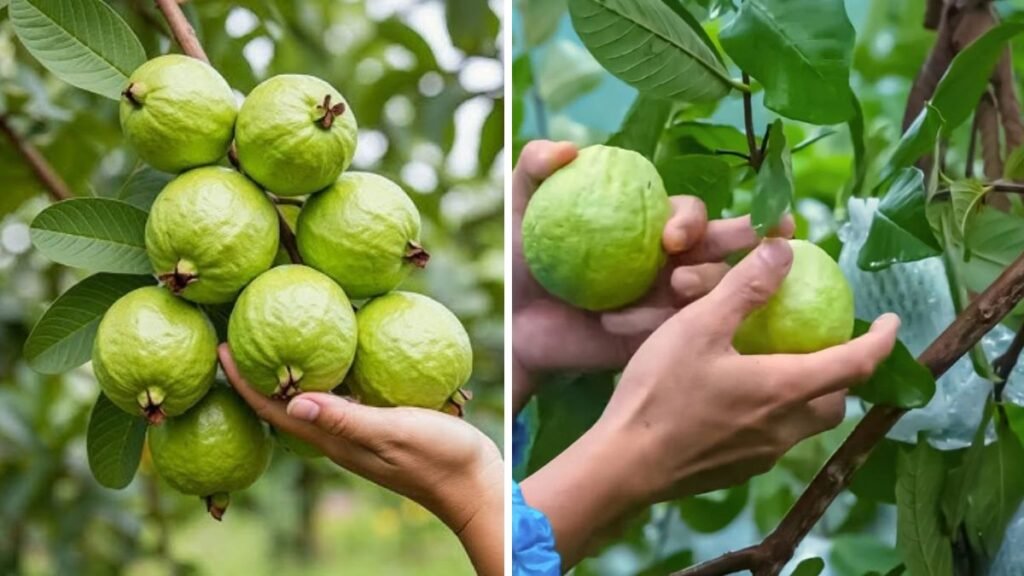
Insert cuttings gently into the medium. Keep one or two nodes inside soil. Press soil lightly around cutting. Maintain spacing for airflow. Water lightly after planting. Avoid disturbing planted cuttings. Place pots in shaded area. Proper planting ensures stability. Roots form gradually over weeks.
Paragraph 8: Maintaining Humidity
Humidity is crucial during rooting stage. Cover pots with plastic sheet if needed. Mist leaves regularly. Avoid water stagnation. High humidity prevents drying. Shade protects from direct sunlight. Gradual exposure strengthens plants. Humidity supports callus formation. Consistent care ensures success.
Paragraph 9: Watering Schedule
Watering should be light and regular. Overwatering causes rot. Underwatering dries cuttings. Check soil moisture daily. Use spray watering initially. Reduce frequency after rooting. Proper balance is necessary. Moisture management improves survival. Observation helps adjust watering.
Paragraph 10: Root Development Timeline
Roots usually develop within three to six weeks. New leaf growth indicates rooting success. Tug gently to check resistance. Avoid early disturbance. Root growth depends on temperature. Healthy cuttings root faster. Patience is important. Not all cuttings survive. Success rate improves with practice.
Paragraph 11: Transplanting Rooted Cuttings
Once roots develop, transplant into larger pots. Handle gently to avoid damage. Use fertile soil mix. Water immediately after transplanting. Keep plant in shade initially. Gradual sun exposure strengthens plant. Avoid stress during shifting. Proper transplanting ensures survival. Growth accelerates after establishment.
Paragraph 12: Fertilization for Young Plants
Apply light organic fertilizer after establishment. Vermicompost is ideal. Avoid heavy chemical fertilizers initially. Balanced nutrition supports growth. Fertilize monthly. Healthy nutrition improves root strength. Excess fertilizer burns roots. Proper feeding encourages faster development. Organic inputs are safer.
Paragraph 13: Sunlight Requirement
Guava plants require good sunlight. After establishment, provide full sun. Initial shade is important. Gradual exposure avoids shock. Sunlight promotes flowering and fruiting. Lack of sun reduces yield. Choose open location. Proper sunlight improves fruit quality. Balance is essential.
Paragraph 14: Pruning and Training
Pruning helps shape young guava plants. Remove weak branches. Encourage multiple shoots. Training improves structure. Proper shape supports fruit load. Regular pruning improves airflow. It also reduces disease risk. Pruning promotes early fruiting. Maintain balanced canopy.
Paragraph 15: Pest and Disease Control
Guava plants may face pests like aphids and borers. Regular inspection is necessary. Neem oil spray is effective. Avoid chemical overuse. Remove infected parts promptly. Good hygiene prevents disease spread. Healthy plants resist pests. Early action saves plants. Organic methods are recommended.
Paragraph 16: Flowering and Fruiting Time
Guava from cuttings flowers earlier than seed plants. Fruiting may begin within two to three years. Proper care accelerates yield. Balanced nutrition supports fruiting. Flower drop may occur initially. Regular watering reduces stress. Patience brings results. Early harvest is possible.
Paragraph 17: Pot vs Ground Growing
Guava can grow in pots or ground. Pots are suitable for terraces. Ground planting gives higher yield. Pot size should be large. Drainage is essential. Ground planting requires spacing. Choose based on space availability. Both methods are effective. Management differs slightly.
Paragraph 18: Table – Comparison of Propagation Methods
Table: Guava Propagation Comparison
Row One: Seed method – slow growth and variable quality
Row Two: Cutting method – fast growth and true variety
Row Three: Air layering – moderate success and effort
Row Four: Grafting – professional method with high yield
Row Five: Cutting best for home gardeners
Paragraph 19: Common Mistakes to Avoid
Avoid using very soft or woody cuttings. Overwatering causes rot. Lack of humidity dries cuttings. Using poor soil reduces success. Ignoring pest control weakens plants. Transplanting too early damages roots. Avoid direct sunlight initially. Learn from failures. Improvement comes with experience.
Paragraph 20: Conclusion
Growing guava from cutting is simple and effective. It saves time and ensures quality fruit. With basic care, anyone can succeed. This method is ideal for home gardeners and farmers. Early fruiting makes it profitable. Practice improves results. Proper technique ensures healthy plants. Guava cultivation becomes enjoyable. Start today and enjoy fresh fruits.