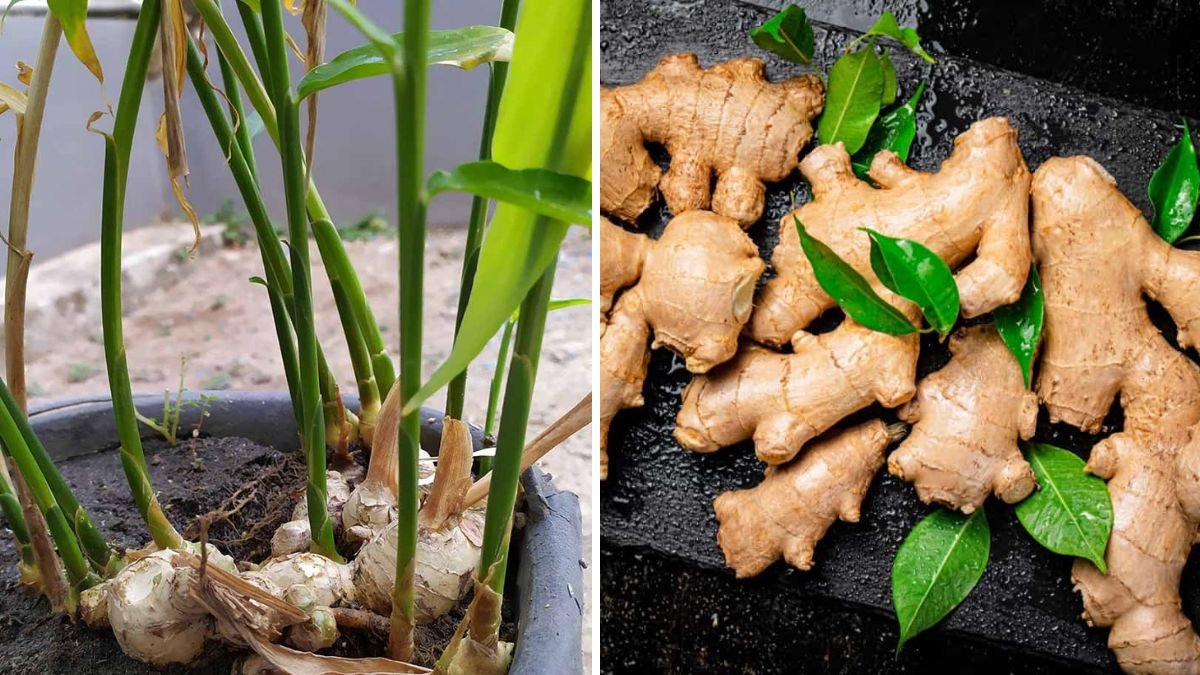

Growing ginger at home is one of the most rewarding experiences for any gardener—whether you live in a house with a backyard or a small apartment with just a sunny balcony. Ginger is a tropical plant with bold flavor, medicinal value, and powerful health benefits. The best part? It is incredibly easy to grow and requires very little maintenance.
If you’ve ever thought about growing your own ginger, this complete guide will walk you through each step—from choosing the right rhizome to harvesting a fresh, aromatic crop right at home.
🫚 Why Grow Ginger at Home?
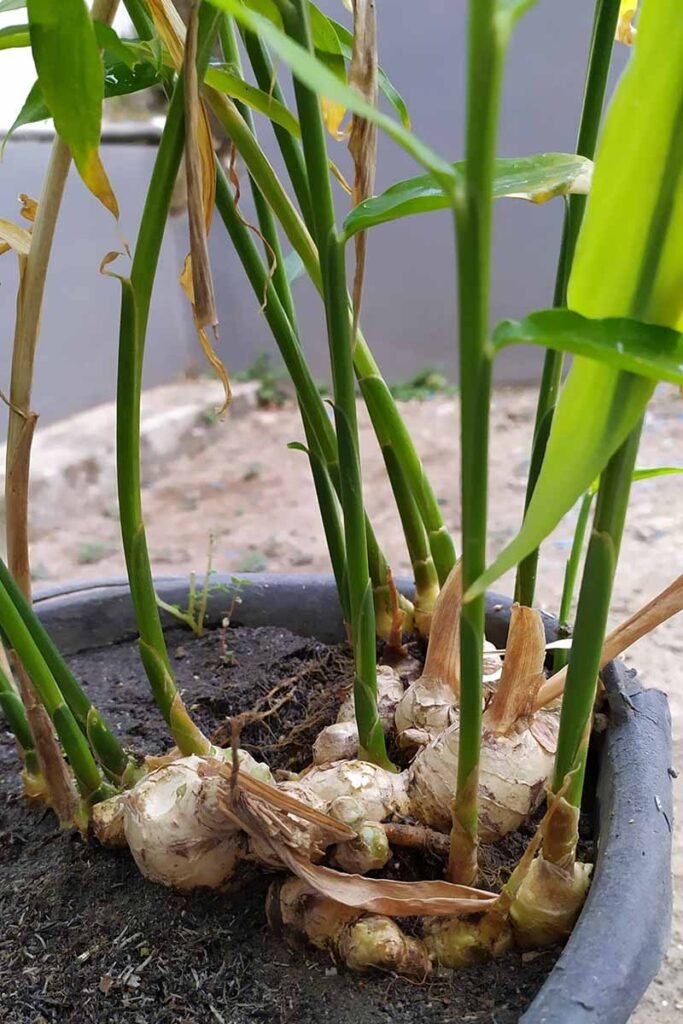
There are countless reasons to grow ginger yourself:
✔ Low Maintenance
Ginger grows slowly but does not demand constant care. Perfect for busy people.
✔ Grows In Pots Easily
Even if you don’t have a garden, ginger thrives in containers and grow bags.
✔ Fresh & Chemical-Free
Homegrown ginger is more aromatic, flavorful, and completely pesticide-free.
✔ Multipurpose Plant
Use the leaves for tea, the rhizome for cooking, and even the young shoots for salads.
🫚 Best Time to Plant Ginger
Ginger loves warmth and moisture.
The ideal planting season is early spring, just as temperatures begin to rise.
In India, plant ginger from February to April for best results.
If you’re growing indoors, you can plant ginger anytime.
🫚 Choosing the Right Ginger for Planting
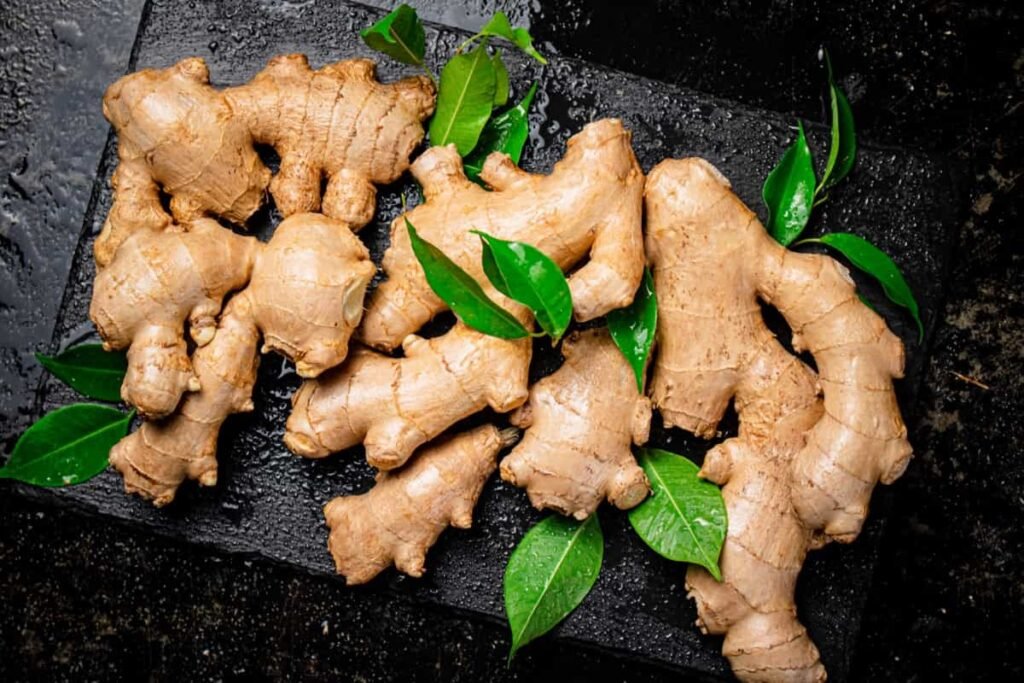
Not all ginger sold in markets will sprout. To get the best results:
✅ Buy Fresh, Firm Rhizomes
Choose pieces that are plump, not shriveled.
✅ Look for Visible “Eyes”
These are small bumps that will grow into shoots.
✅ Avoid Soft or Moldy Pieces
This can lead to poor growth or rotting.
🌱 Tip:
If possible, buy organic ginger—they sprout faster because they are not chemically treated to delay growth.
🫚 Preparing Ginger Before Planting
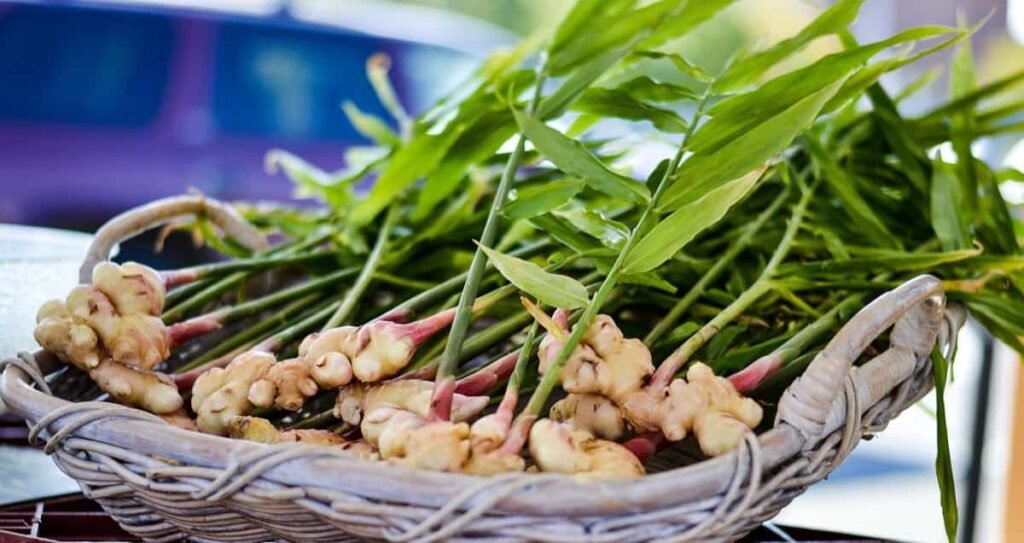
1. Cut Into Pieces (Optional)
If the rhizome is large, cut it into 1–2 inch pieces.
Each piece must have at least one eye.
2. Let It Dry for a Day
Drying helps form a protective layer that prevents rot.
3. Pre-Sprouting (Highly Recommended)
Place the pieces in a warm, bright place (not direct sun) for 4–7 days.
You’ll see small green buds forming—this gives your plant a strong start.
🫚 Best Soil for Ginger
Ginger thrives in soil that is:
- Loose
- Well-draining
- Rich in organic matter
- Slightly moist
🪴 Suggested Soil Mix:
- 40% garden soil
- 30% compost or cow dung
- 20% coco peat
- 10% sand
This mix ensures proper aeration and prevents waterlogging.
🫚 Where to Grow Ginger?
Ginger grows best in partial shade.
It does NOT like harsh, direct afternoon sun.
Perfect spots include:
- Balcony corners
- Under bigger plants
- Near windows with filtered light
- Shaded areas of your garden
🫚 How to Plant Ginger (Step-by-Step)
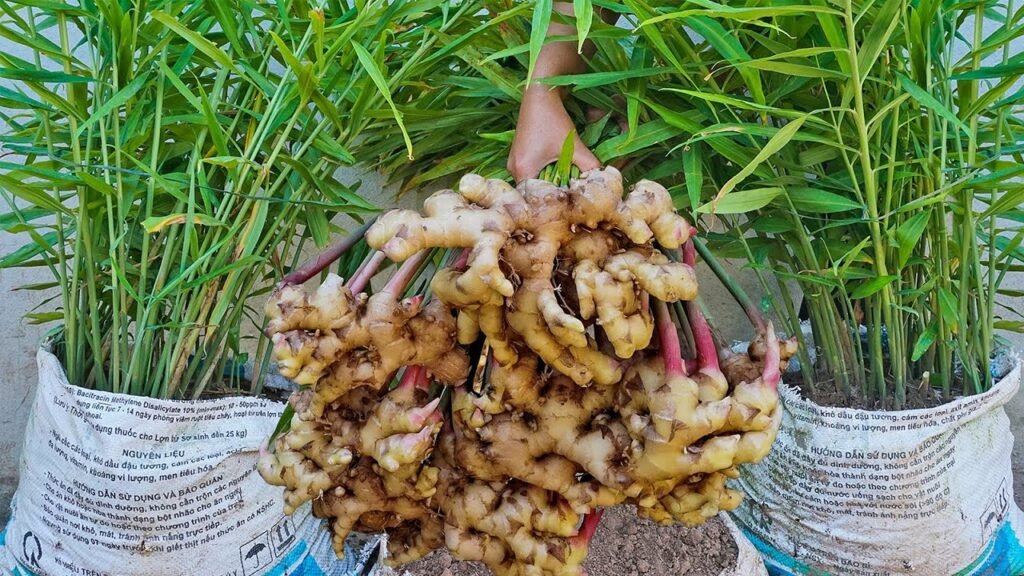
Step 1: Choose a Wide Container
Ginger grows horizontally, not vertically.
Use a container that is:
- Wide and shallow (10–12 inches deep)
- Has drainage holes
- Minimum 15–20 liters capacity
Step 2: Fill with Soil Mix
Fill the pot leaving 2–3 inches at the top.
Step 3: Place Ginger Pieces
- Lay the rhizome pieces flat, not buried vertically.
- Space each piece 4–6 inches apart.
Step 4: Cover Lightly
Spread soil to cover the pieces about 1 inch deep.
Step 5: Water Gently
Moisture is important, but avoid soaking the soil.
🫚 Caring for Your Ginger Plant
🌿 1. Watering
Ginger likes moisture, but too much water causes rot.
- Keep soil evenly moist
- Water 2–3 times a week in hot weather
- Reduce watering during winters
A good rule:
Never let the soil dry completely or stay soggy.
🌿 2. Fertilizing
Ginger is a heavy feeder.
Feed your plant every 30 days with:
- Compost
- Mustard cake water
- Cow dung tea
- Banana peel fertilizer
Avoid chemical fertilizers for best flavor.
🌿 3. Mulching
Mulch helps retain moisture and encourages bigger rhizomes.
Use:
- Dry leaves
- Coconut husk
- Grass clippings
Spread a 2-inch layer on top of the soil.
🌿 4. Light Requirements
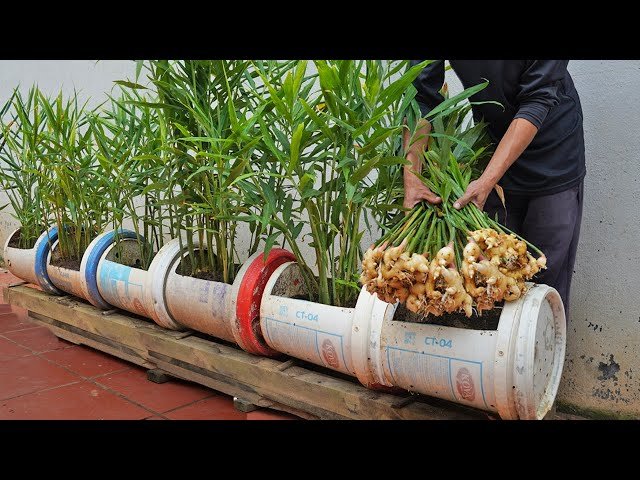
Ginger needs:
- Bright, indirect sunlight
- Avoid strong afternoon light
6 hours of filtered light is perfect.
🌿 5. Pest Control
Though ginger is resilient, common problems include:
- Aphids
- Mealy bugs
- Snails
- Fungal infections
Use neem oil spray once every 15 days for prevention.
🫚 Growth Timeline
Here’s what to expect month by month:
1st Month:
Shoots emerge, 1–2 leaves appear.
2–3 Months:
Plant becomes leafy and tall.
4–5 Months:
Rhizomes start forming underground.
8–10 Months:
Leaves turn yellow—this means your ginger is ready for harvest.
🫚 Harvesting Ginger
There are two types of harvest:
🍃 1. Young Ginger (After 4–5 Months)
This ginger is tender, has thin skin, and mild flavor.
Perfect for tea and fresh cooking.
Simply remove soil gently from the sides and take a piece without uprooting the whole plant.
🌾 2. Mature Ginger (After 8–10 Months)
Harvest when:
- Leaves turn yellow
- Stems dry
- Plant looks mature
Uproot the entire plant and shake off the soil.
Wash, dry, and store in a cool place.
🫚 Storing Homegrown Ginger
- Keep in a paper bag inside the fridge
- Or bury the rhizomes in dry sand
- Avoid plastic bags (they trap moisture)
Properly stored ginger lasts 2–3 months easily.
🫚 Regrow Ginger Forever (Zero Cost Method)
Here’s a great hack:
- Keep 2–3 pieces of your harvested ginger with eyes.
- Let them sprout.
- Plant them again in fresh soil.
You can grow ginger year after year without buying new seeds!
🫚 Common Mistakes to Avoid
❌ Planting ginger in direct sun
❌ Overwatering
❌ Using heavy clay soil
❌ Not adding mulch
❌ Planting too deep
❌ Keeping ginger in a small pot
Avoid these and your ginger harvest will be plentiful.
🫚 Benefits of Homegrown Ginger
- Richer aroma
- Stronger flavor
- Higher medicinal content
- No chemicals
- Lasts longer
- Saves money
Fresh ginger can be used for:
- Tea
- Cooking
- Juices
- Pickles
- Herbal remedies
🫚 Final Thoughts
Growing ginger at home is one of the easiest gardening projects you’ll ever try. With just a rhizome, some soil, and a shaded spot, you can enjoy months of fresh, flavorful ginger right from your home.
Even beginners can grow a big, healthy ginger plant by following the simple steps in this guide. Whether you want it for cooking, health benefits, or simply the joy of gardening, ginger is a rewarding plant that gives back generously.
So start today—plant a small piece of ginger, care for it patiently, and in a few months, you’ll be harvesting your very own homegrown ginger 🫚✨