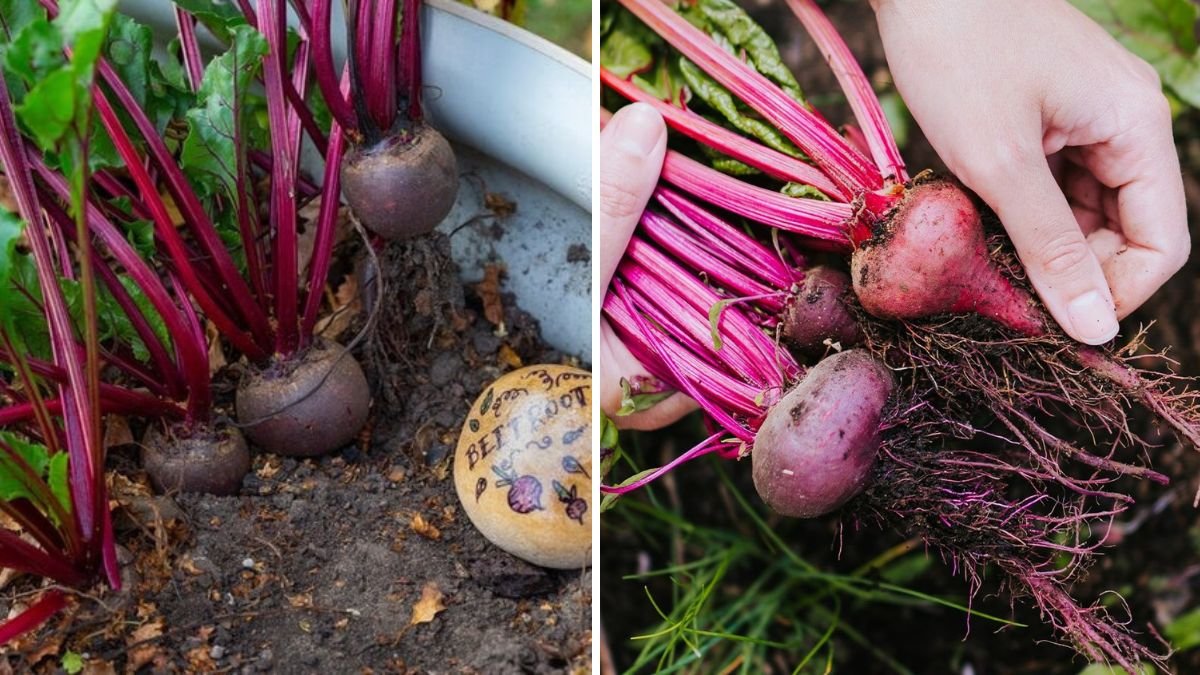

Beetroot—often called the super-root—is one of the easiest and most rewarding vegetables you can grow right at home. With its rich crimson color, earthy-sweet flavor, and high nutritional value, beetroot deserves a special place in every home garden. The best part? You don’t need a large farm or backyard. Even a small balcony, terrace, or containers are enough to grow fresh beetroots throughout the year.
In this 1200-word complete guide, you will learn everything about beetroot cultivation at home, from soil preparation and seed sowing to watering tips, pest control, harvesting, and storing your home-grown beets.
1. Why Grow Beetroot at Home?
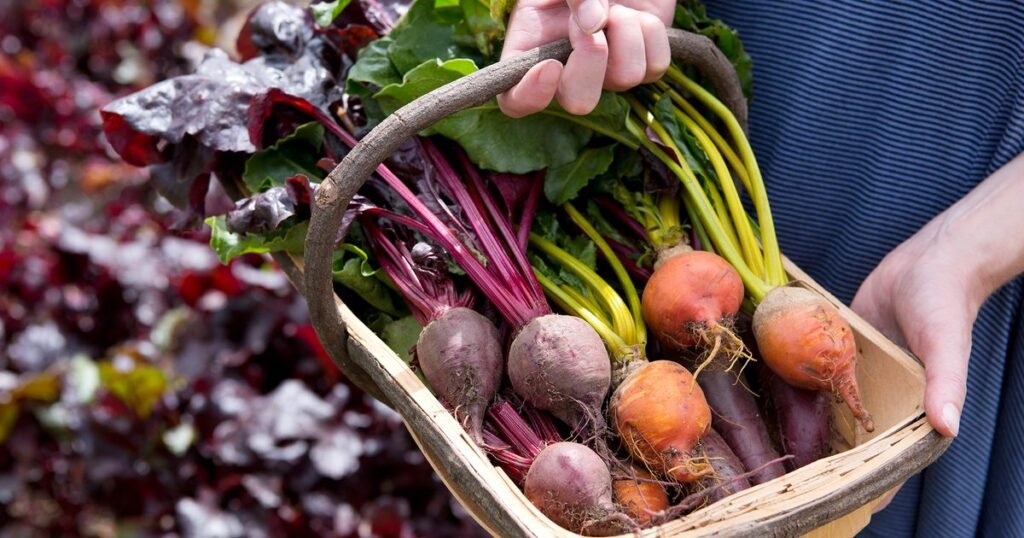
Beetroots are a power-packed vegetable rich in antioxidants, iron, fiber, vitamins, and minerals. Growing them at home ensures:
- Chemical-free, organic produce
- Fresh and tender roots
- Edible leaves for salads and stir-fries
- Better taste and color than store-bought beets
- Low maintenance plants that grow fast
Beetroot takes only 45–60 days to grow, making it a great option for beginners and home gardeners.
2. Best Season to Grow Beetroot
Beetroot loves cool weather. The ideal growing season is:
- October to February (best in India and similar climates)
- Can be grown year-round in colder regions
- Avoid peak summer months unless shaded
Temperature range should be 15°C to 25°C.
3. Choosing the Right Container
If you don’t have a garden bed, containers work beautifully.
Recommended Container Size:
- Depth: 10–12 inches
- Width: Medium to large as beetroot spreads sideways
- Material: Grow bags, plastic tubs, clay pots, or wooden boxes
Make sure the container has good drainage holes. Beetroot hates waterlogging.
4. Soil Mix for Healthy Beetroot Growth
Beetroot needs loose, well-drained, and fertile soil. Roots expand easily only in soft soil.
Perfect Soil Recipe:
- 40% Garden soil
- 30% Compost or cow dung
- 20% Cocopeat
- 10% Sand
Add 1 tablespoon neem cake powder to protect the plant naturally.
Important: Avoid hard clay soil—this prevents roots from forming properly.
5. How to Sow Beetroot Seeds
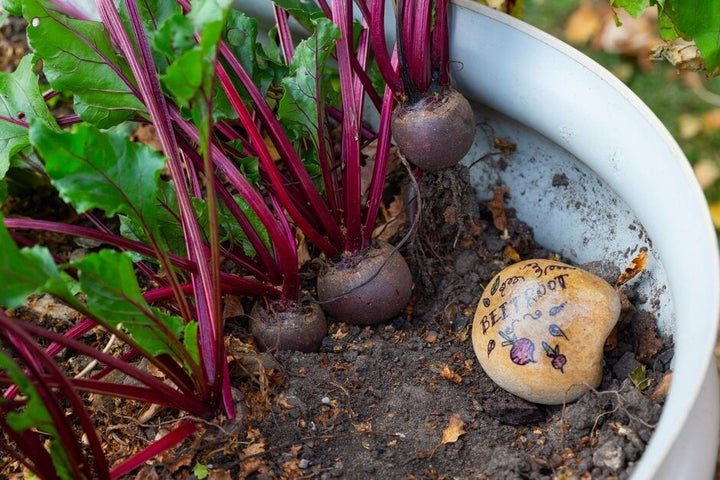
Beet seeds come in clusters—each cluster contains 2–3 seeds.
Steps to Sow:
- Make ½ inch deep lines in the soil.
- Keep 2 inch spacing between each seed.
- Cover seeds lightly with soil.
- Water gently using a spray.
- Keep the container in partial shade till germination.
Seeds start sprouting in 5–7 days.
6. Thinning: A Must for Proper Growth
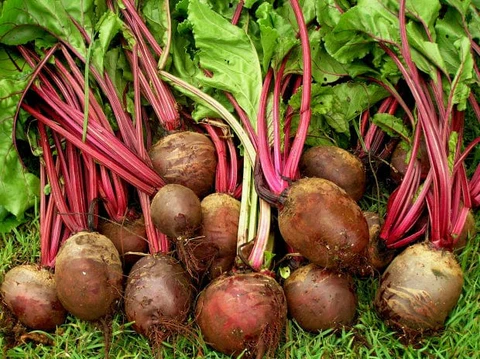
Since one cluster contains multiple seeds, they grow crowded.
Do This After 10–12 Days:
- Remove extra seedlings
- Keep only one healthy seedling per spot
- Use removed seedlings as microgreens—they are edible and nutritious
This ensures your beetroot becomes round, big, and well-shaped.
7. Watering Guide
Beetroot needs regular moisture but hates soggy soil.
Watering Tips:
- Water every 2–3 days in winter
- Daily watering may be needed in hot weather
- Keep soil evenly moist
- Avoid waterlogging – it causes root rot
Mulching on top helps retain moisture.
8. Sunlight Requirement
Beetroot grows best in:
- 4–6 hours of direct sunlight
- Can tolerate partial shade
Without sunlight, roots become small and leaves grow excessively.
9. Fertilizer for Fast Growth
Apply fertilizers only after 20 days of sowing.
Organic Fertilizer Options:
- 1 handful of vermicompost
- Liquid feed like mustard cake water
- Seaweed extract spray
- Banana peel liquid for potassium
Avoid heavy nitrogen fertilizers—they increase leaf size but reduce root formation.
10. Common Pests & Diseases
Beetroot is generally pest-resistant, but sometimes problems may appear.
Common Issues:
- Aphids
- Leaf miners
- Fungal spots
Solutions:
- Spray neem oil (3 ml per liter) every 10 days
- Remove infected leaves
- Improve air circulation
Organic pest control is always better for edible crops.
11. How to Know When Beetroot Is Ready for Harvest
Beetroot is usually ready in 45–60 days.
Signs of Maturity:
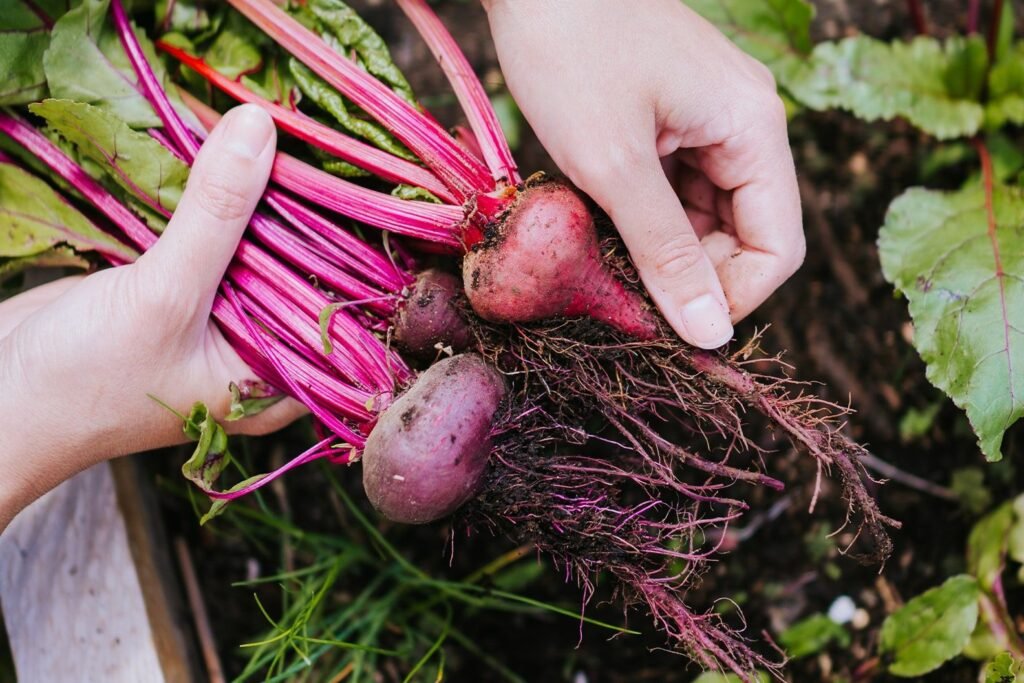
- Top of the root becomes visible above soil
- Diameter is around 2–3 inches
- Leaves look mature
To harvest, gently pull from the base of the stem. Loosen soil if needed.
12. Harvesting Beetroot Leaves
Don’t forget—the leaves are edible too!
- Young leaves are great for salads
- Mature leaves can be sautéed or cooked
Harvest only 1–2 leaves per plant to avoid slowing root growth.
13. Post-Harvest Tips
- Do not wash beetroots immediately if storing
- Remove leaves while keeping 1–2 cm of stem
- Store roots in a cool, dry place
Fresh home-grown beetroots stay good for 2–3 weeks.
14. Benefits of Growing Beetroot at Home
- Boosts immunity
- Improves blood circulation
- Supports digestion
- Rich in antioxidants
- Safe and pesticide-free
You enjoy healthier meals with home-grown freshness.
15. Bonus Tips for Beginners
- Use soft soil for perfect round beetroots
- Do succession planting every 20 days for continuous harvest
- Protect seedlings from heavy rain
- Avoid overcrowding
- Always keep soil slightly moist
Conclusion
Beetroot cultivation at home is easy, rewarding, and perfect even for beginners. With the right soil mix, proper spacing, sunshine, and organic care, you can enjoy fresh, juicy, and chemical-free beetroots straight from your balcony or terrace garden.
Start today—your home garden will become more colorful and your meals healthier with every harvest!