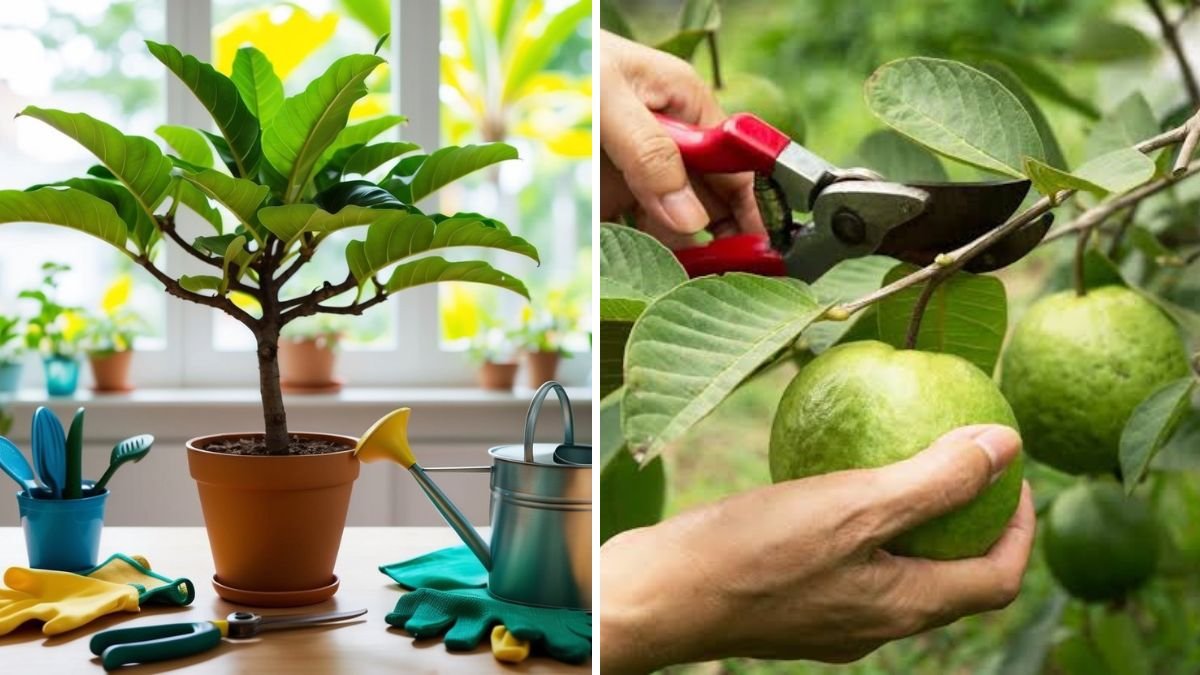

Guava, often referred to as the “apple of the tropics,” is a delicious and highly nutritious fruit that is rich in vitamin C, fiber, and antioxidants. Growing a high-quality guava plant at home is not only rewarding but also ensures a fresh and organic supply of this tropical delight. With proper care and propagation techniques, even beginner gardeners can cultivate guava plants that produce abundant, flavorful fruit.
This guide will show you how to grow a high-quality guava plant easily, from selecting the right variety and planting methods to proper care, fertilization, and harvesting.
Why Grow Guava at Home?
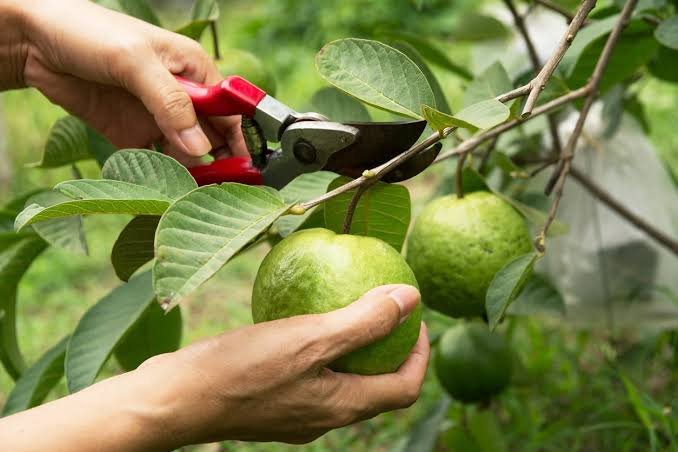
Homegrown guava offers several advantages:
- Fresh and Healthy Fruit: Enjoy chemical-free, organically grown guavas.
- Nutritional Benefits: Guavas are rich in vitamin C, dietary fiber, and antioxidants, promoting overall health.
- Cost-Effective: Growing guava at home reduces the need to purchase fruits from the market.
- Aromatic and Decorative: Guava trees have attractive foliage and can enhance the beauty of your garden.
- Control Over Quality: Home cultivation ensures you choose the best varieties and maintain optimal care for superior fruit quality.
Growing guava at home is perfect for anyone looking to combine health, sustainability, and the joy of gardening.
Selecting the Right Guava Variety
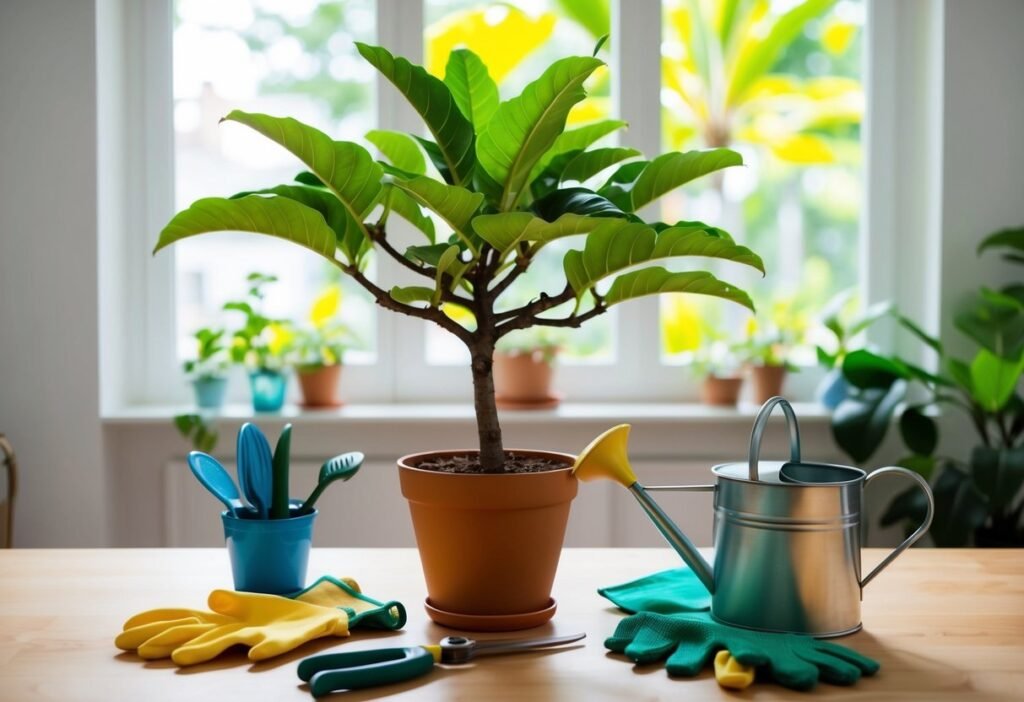
The first step in growing a high-quality guava plant is choosing the right variety. Some popular options include:
- Allahabad Safeda: Known for its large, aromatic, and sweet fruits.
- Lucknow 49: Produces medium-sized, flavorful fruits ideal for home gardens.
- Red-fleshed Varieties: Varieties like Red Malaysian or Ruby offer unique red pulp and excellent taste.
- Dwarf Varieties: Suitable for container gardening or small spaces, yet still highly productive.
Select a variety based on fruit preference, climate, and space availability.
Propagation Methods for Guava Plants
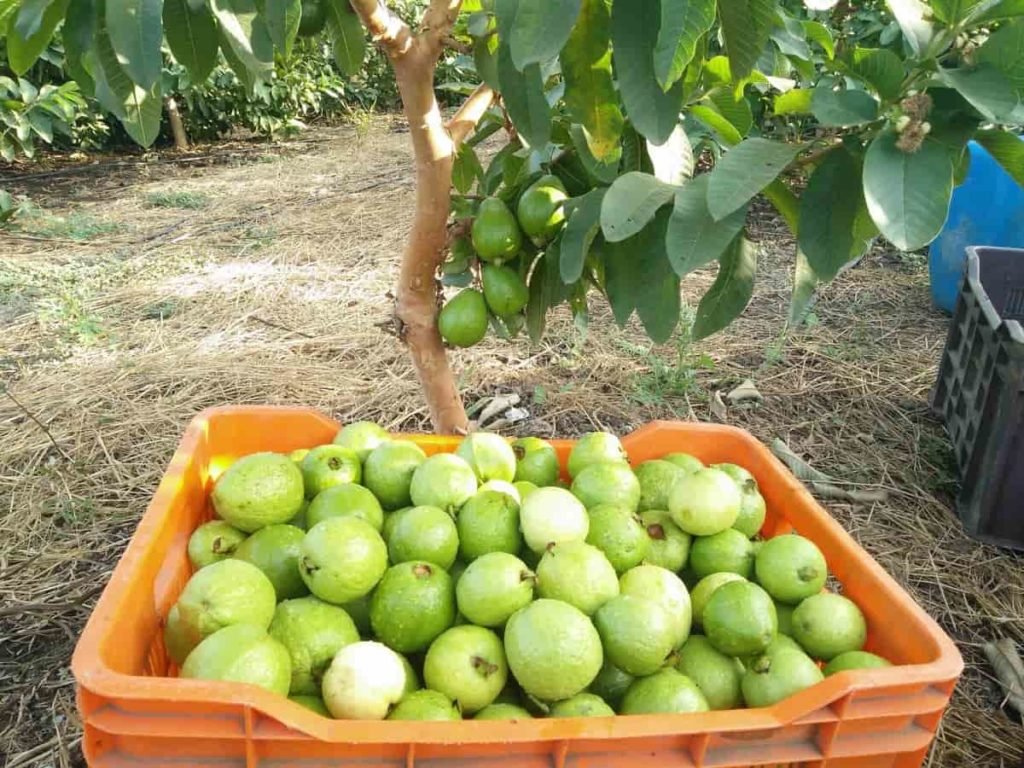
Guava plants can be propagated through seeds, cuttings, or grafting. For high-quality plants, vegetative propagation methods like cuttings or grafting are recommended:
- From Seeds:
- Seeds take longer to bear fruit (3–5 years).
- Fruit quality may vary from the parent plant.
- From Cuttings:
- Semi-hardwood cuttings produce plants identical to the parent.
- Roots develop in 4–6 weeks, resulting in a sturdy plant.
- Grafting:
- Ensures early fruiting (within 1–2 years) and preserves superior fruit traits.
- Common methods include cleft grafting or veneer grafting.
For home gardeners seeking quality fruit quickly, cuttings or grafted saplings are the most reliable options.
Choosing the Right Planting Site
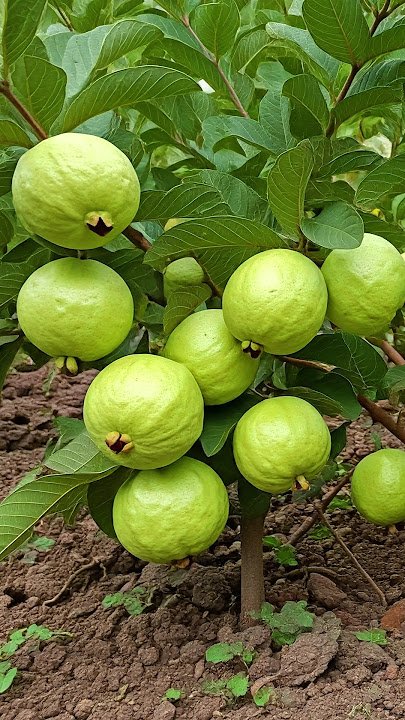
Guava plants thrive in sunny locations with well-draining soil. Consider the following for optimal growth:
- Sunlight: Full sun exposure for at least 6–8 hours a day.
- Soil Type: Well-draining loamy soil with pH 5.5–7.0 is ideal. Avoid waterlogged or heavy clay soils.
- Space: Allow at least 10–15 feet of spacing for standard varieties; dwarf varieties can be planted closer together.
- Air Circulation: Adequate spacing prevents fungal infections and ensures healthy growth.
A proper planting site is essential for producing healthy, high-quality fruits.
Planting Guava Plants
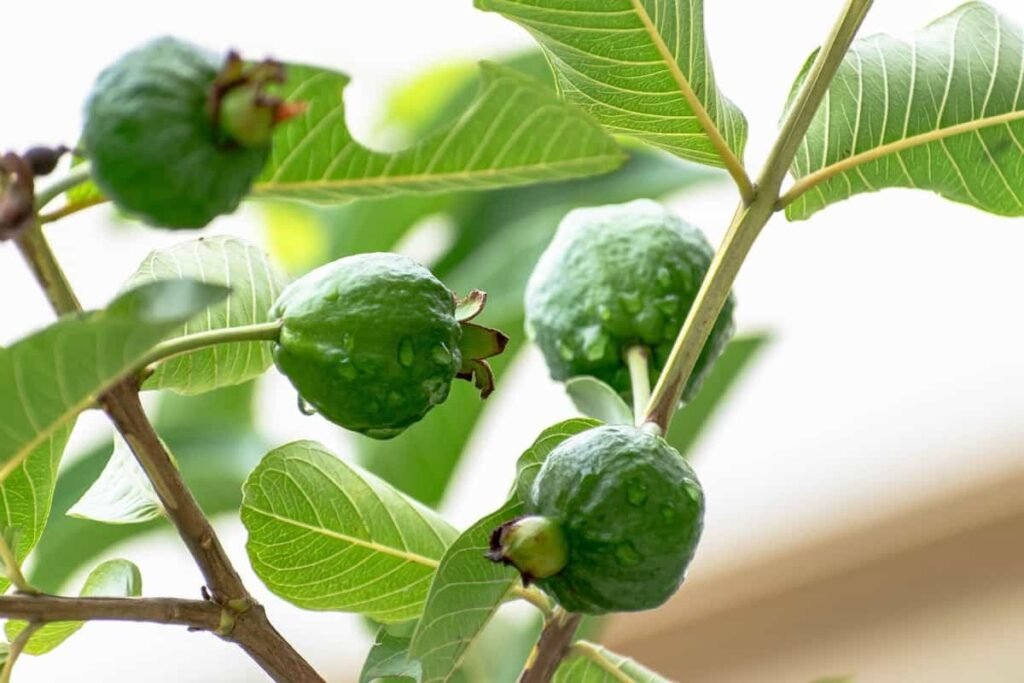
Step 1: Preparing the Soil
- Loosen the soil and remove weeds or debris.
- Mix in organic compost or well-rotted manure to enrich the soil.
- Dig a hole about 1–1.5 feet deep and wide enough to accommodate the plant roots.
Step 2: Planting
- Place the sapling or cutting in the prepared hole.
- Fill the hole with soil and gently press around the roots to remove air pockets.
- Water immediately to settle the soil.
Watering and Mulching
Proper watering and mulching are critical for healthy guava growth:
- Watering:
- Young plants require frequent watering (every 2–3 days) to establish roots.
- Mature plants need watering once or twice a week, depending on weather conditions.
- Avoid overwatering, which can lead to root rot.
- Mulching:
- Apply a layer of organic mulch (straw, leaves, or compost) around the base.
- Mulch retains moisture, regulates soil temperature, and suppresses weeds.
Fertilization and Nutrient Management
Guava plants are moderate feeders and benefit from regular fertilization:
- Young Plants:
- Apply a balanced fertilizer every 2–3 months.
- Organic options like compost, neem cake, or vermicompost promote healthy growth.
- Mature Plants:
- Use nitrogen-rich fertilizer in early growth stages to promote leafy growth.
- Apply phosphorus and potassium during flowering and fruiting to enhance yield and fruit quality.
- Micronutrients:
- Guava plants may require occasional magnesium, zinc, or iron supplements for optimal health.
Pruning and Training
Pruning improves air circulation, sunlight penetration, and fruit quality:
- Early Pruning:
- Trim the central leader and lateral branches to encourage bushy growth.
- Maintenance Pruning:
- Remove dead, diseased, or weak branches regularly.
- Thin overcrowded branches to allow sunlight to reach inner leaves.
Proper pruning ensures that guava plants remain healthy, strong, and productive.
Pest and Disease Management
Guava plants can be affected by pests and diseases, but preventive care ensures high-quality yields:
- Common Pests:
- Fruit flies, aphids, and mealybugs are common threats.
- Control with neem oil sprays, insecticidal soap, or organic traps.
- Diseases:
- Anthracnose, wilt, and root rot can damage plants.
- Ensure proper drainage, avoid excessive watering, and remove infected parts.
- Preventive Practices:
- Regularly inspect plants for signs of pests or disease.
- Maintain cleanliness in the garden and sterilize pruning tools.
Flowering and Fruiting
High-quality guava plants produce abundant, flavorful fruits when flowering and fruiting are managed carefully:
- Flower Induction:
- Apply light nitrogen fertilizer and ensure sufficient sunlight to encourage flowering.
- Fruit Thinning:
- Remove excess young fruits to allow remaining fruits to develop fully, improving size and taste.
- Support:
- Standard varieties may need staking to prevent branches from breaking under heavy fruit load.
Harvesting Guava
Guava fruits are ready to harvest when:
- The skin changes from deep green to a lighter green or slightly yellow shade, depending on the variety.
- The fruit emits a sweet aroma.
- Gently pressing the fruit reveals slight softness at the base.
Harvesting regularly encourages continuous flowering and fruiting.
Tips for Growing High-Quality Guava at Home
- Start with Healthy Saplings or Cuttings: Choose disease-free, vigorous plants for better results.
- Maintain Optimal Soil Conditions: Regularly add organic matter to boost fertility.
- Provide Consistent Watering: Avoid stress due to drought or overwatering.
- Prune and Train Plants Properly: Shape the plant for better fruit development.
- Control Pests and Diseases: Preventive measures reduce damage and improve quality.
- Patience and Care: High-quality guava plants require consistent attention for optimal fruit yield.
Conclusion
Growing a high-quality guava plant at home is both achievable and rewarding with the right approach. By selecting superior varieties, using healthy cuttings or grafted plants, providing well-draining soil, proper watering, fertilization, pruning, and pest management, you can enjoy abundant, sweet, and nutritious guavas in your garden.
Homegrown guava not only enhances your diet with fresh, organic fruit but also adds greenery and beauty to your living space. With patience, dedication, and proper care, even beginner gardeners can cultivate guava plants that thrive, producing high-quality fruits season after season.
Whether you are planting in your backyard, balcony, or a container garden, these steps make it easy to grow a healthy, productive guava plant and enjoy the satisfaction of harvesting your own tropical fruits.