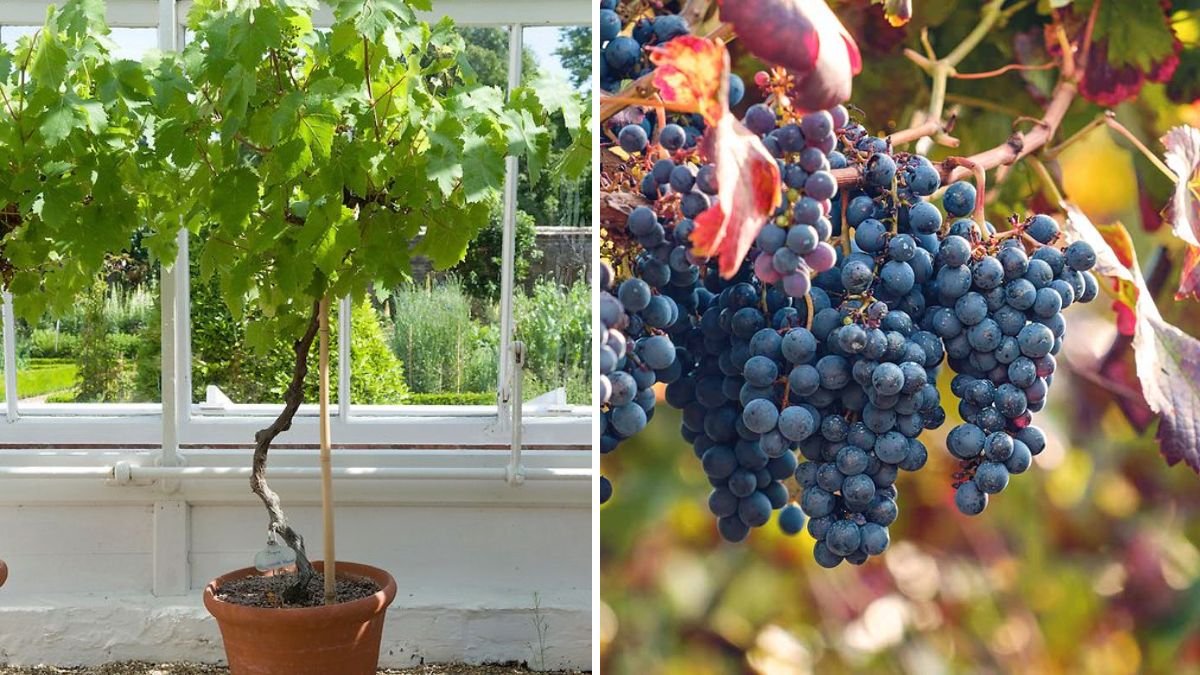

Growing grapes at home is not just a hobby; it’s a journey into the world of gardening that rewards patience, care, and attention. There’s something magical about nurturing a tiny vine and watching it flourish into a bountiful harvest of juicy grapes. Whether you’re a gardening enthusiast, a DIY lover, or someone looking to add charm and productivity to your backyard, growing grapes at home is a fulfilling venture. This guide will walk you through everything you need to know, from choosing the right grape variety to harvesting and enjoying your homegrown fruit.
1. Why Grow Grapes at Home?
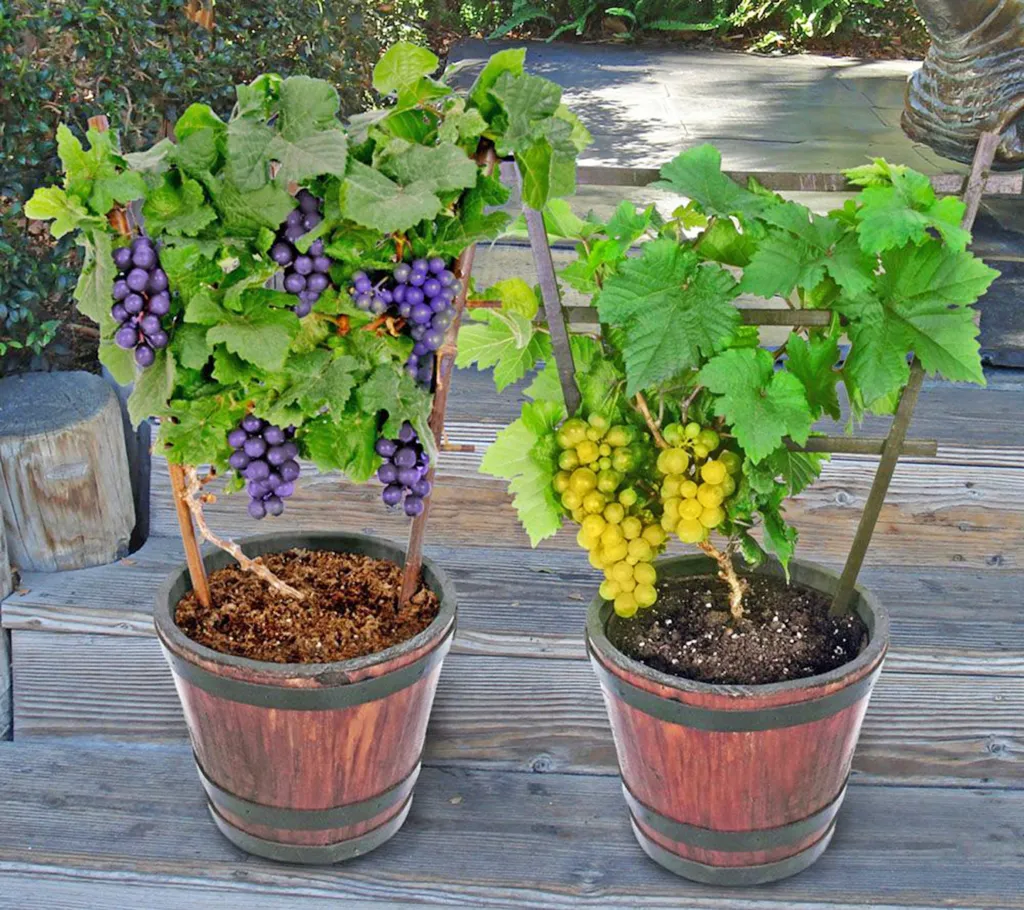
Grapes are more than just delicious fruits; they are packed with nutrients, antioxidants, and natural sweetness. Growing them at home has several advantages:
- Freshness: Nothing beats the taste of grapes freshly picked from your own vine.
- Health Benefits: Grapes are rich in vitamins C and K, fiber, and antioxidants that support overall health.
- Cost-effective: Instead of buying grapes year-round, home cultivation can save money in the long run.
- Gardening Therapy: Tending to grapevines provides a therapeutic and relaxing experience.
- Decorative Appeal: Grapevines add a beautiful aesthetic to patios, fences, trellises, and garden arbors.
2. Choosing the Right Grape Variety
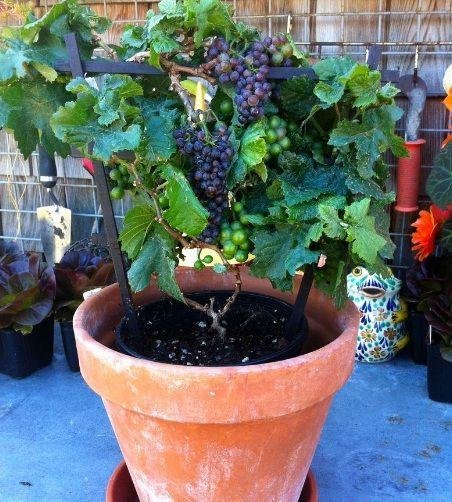
Selecting the right grape variety is crucial for success. Grapes are generally divided into three categories:
- Table Grapes: These are meant for fresh eating. Varieties like ‘Concord,’ ‘Thompson Seedless,’ and ‘Red Globe’ are popular choices.
- Wine Grapes: If you are interested in making homemade wine, varieties such as ‘Cabernet Sauvignon’ or ‘Merlot’ are ideal.
- Dual-purpose Grapes: These can be eaten fresh or used for juice and jelly. Examples include ‘Niagara’ and ‘Muscat.’
Consider your local climate, soil conditions, and the space available in your garden before choosing a variety. Some grapes are cold-hardy, while others thrive in warmer climates.
3. Ideal Growing Conditions
Grapevines require specific conditions to flourish:
- Sunlight: Grapes need at least 6-8 hours of direct sunlight daily.
- Soil: Well-draining soil with a slightly acidic to neutral pH (5.5–7) works best. Sandy loam or loamy soils are ideal.
- Watering: Grapes require regular watering during the initial stages, but overwatering can lead to root rot. Mature vines are drought-tolerant.
- Support Structures: Grapevines are climbers, so installing trellises, fences, or arbors is essential for proper growth and fruit production.
4. Planting Grapes at Home
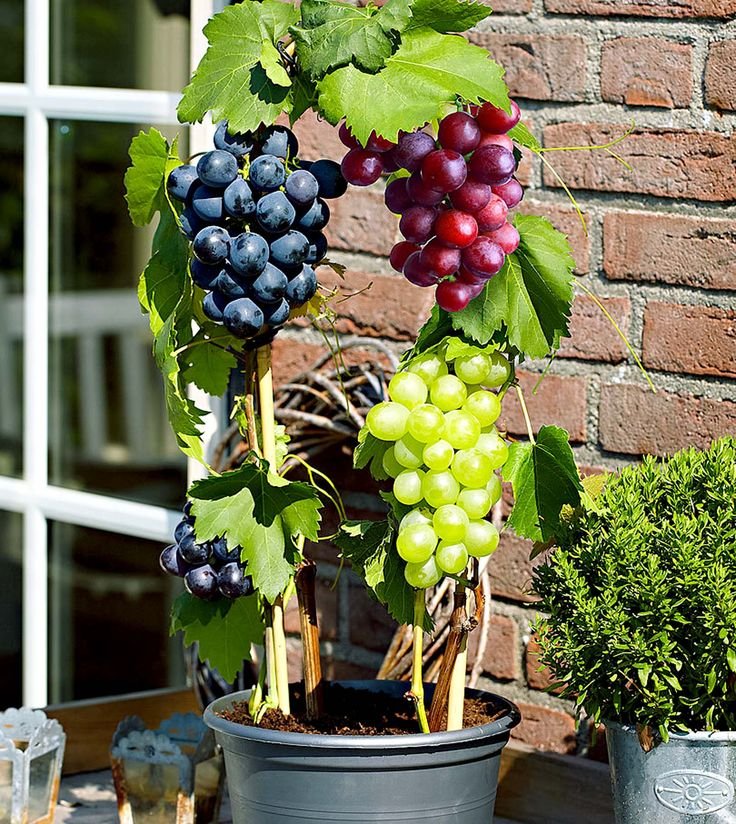
Step 1: Preparing the Soil
Before planting, enrich the soil with compost or organic matter. This ensures proper nutrition and drainage.
Step 2: Choosing Healthy Vines
Buy certified disease-free vines from a reputable nursery. Young grapevines (1–2 years old) are easier to establish.
Step 3: Planting Technique
- Dig a hole twice as wide as the root ball.
- Place the vine in the hole and spread the roots evenly.
- Cover the roots with soil and water thoroughly.
Spacing: Grapevines should be spaced 6–10 feet apart, depending on the variety. Proper spacing allows for adequate air circulation, reducing the risk of diseases.
5. Caring for Your Grapevines
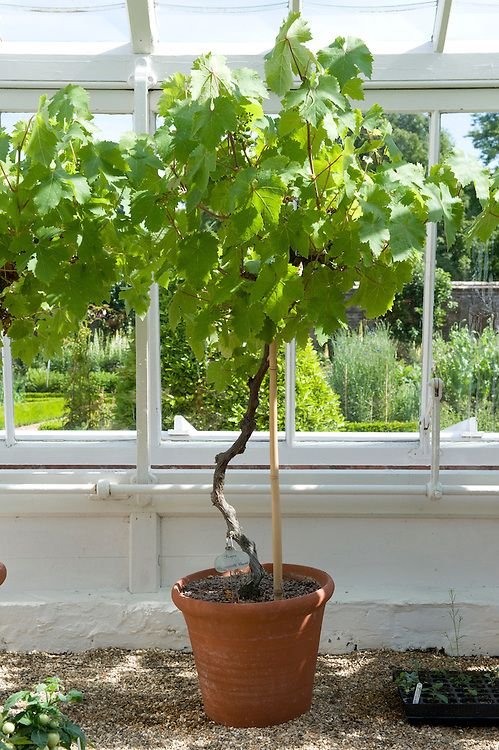
Grapes require attention, especially during their early growth stages. Key care practices include:
- Pruning: Regular pruning is essential to remove dead wood, control growth, and encourage fruit production. Typically, pruning is done in late winter or early spring.
- Fertilizing: Use a balanced fertilizer in early spring. Over-fertilizing can lead to excessive foliage growth at the expense of fruit.
- Watering: Water young plants weekly, ensuring the soil remains moist but not soggy. Mature vines need less frequent watering.
- Mulching: Mulching helps retain soil moisture and prevent weeds from competing with the vine.
6. Pest and Disease Management
Grapes are susceptible to pests and diseases like powdery mildew, downy mildew, aphids, and grape berry moths. To protect your plants:
- Inspect vines regularly for signs of pests or disease.
- Use organic insecticides or neem oil to control infestations.
- Practice good garden hygiene, removing fallen leaves and debris.
- Ensure proper spacing and sunlight exposure to minimize fungal infections.
7. Pollination and Flowering
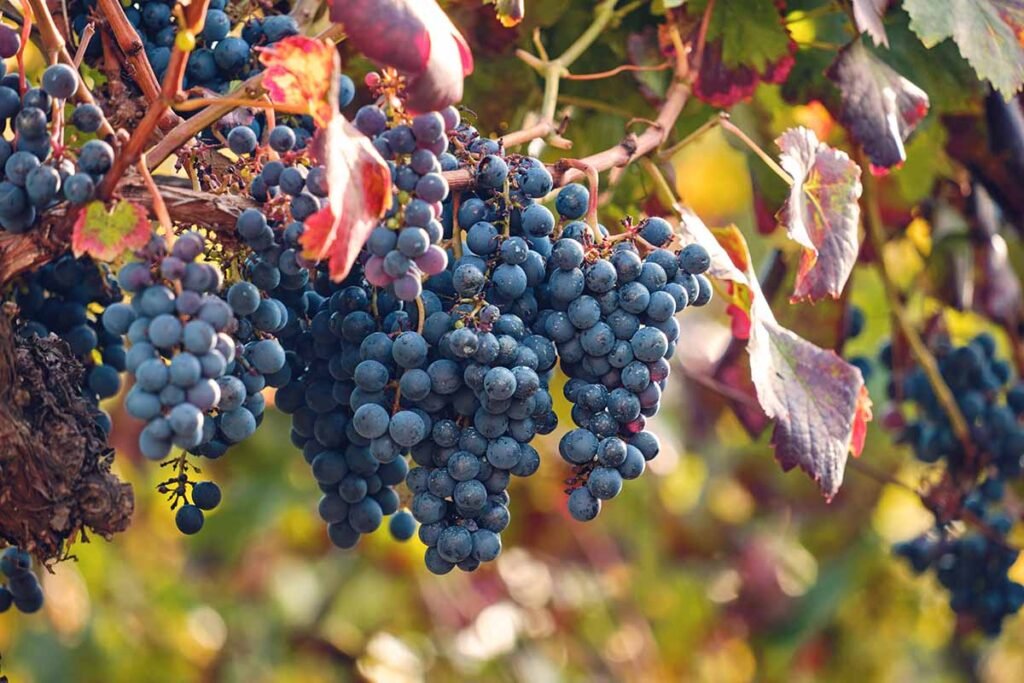
Grapes are self-pollinating, so you don’t need multiple plants for fruit production. Flowering typically occurs in late spring, followed by the formation of tiny grape clusters. At this stage, ensure consistent watering and avoid disturbing the flowers to ensure proper fruit set.
8. Harvesting Grapes
Grapes usually take 2–3 years to produce a significant harvest. Signs that grapes are ready for harvesting include:
- Full color, depending on the variety (green, red, purple, or black).
- Sweet taste when sampled.
- Easy separation from the vine.
Use clean, sharp scissors or pruning shears to cut grape clusters. Avoid pulling grapes, as this can damage the vine.
9. Storing and Enjoying Your Grapes
Freshly harvested grapes can be eaten immediately or stored in the refrigerator for up to two weeks. Grapes can also be used for making:
- Homemade grape juice
- Jams and jellies
- Dried raisins
- Homemade wine
10. Tips for Success
- Start with a small number of vines and expand as you gain experience.
- Choose disease-resistant grape varieties suitable for your climate.
- Keep a gardening journal to track pruning, watering, and fertilization schedules.
- Be patient—grapevines take time to mature and produce high-quality fruit.
Conclusion
Growing grapes at home is a rewarding experience that combines patience, skill, and a love for nature. From selecting the perfect variety to harvesting luscious, juicy grapes, every step is a learning opportunity and a chance to connect with the natural world. With proper care, sunlight, and a little gardening know-how, your backyard can transform into a vineyard full of delicious, homegrown grapes. Not only will you enjoy the fresh taste, but you’ll also reap the satisfaction of nurturing something beautiful from vine to table.
Embrace the journey of home grape cultivation, and let every cluster you harvest remind you of the joy of growing your own food.