

Cardamom—often called the “Queen of Spices”—is one of the world’s most aromatic and prized spices. Known for its sweet fragrance, warm flavor, and powerful medicinal benefits, cardamom is a staple in Indian kitchens and cherished in global cuisine. While it’s commonly grown in tropical regions, many home gardeners are now discovering the joy of growing cardamom right in their backyard, balcony, or greenhouse.
Growing cardamom from seeds may seem slow, but with the right techniques, patience, and consistent care, you can enjoy lush green plants and even fresh pods at home. This detailed guide walks you through everything—seed preparation, soil requirements, care tips, and harvesting—making the process simple and enjoyable for beginners.
🌱 Understanding Cardamom: A Tropical Treasure

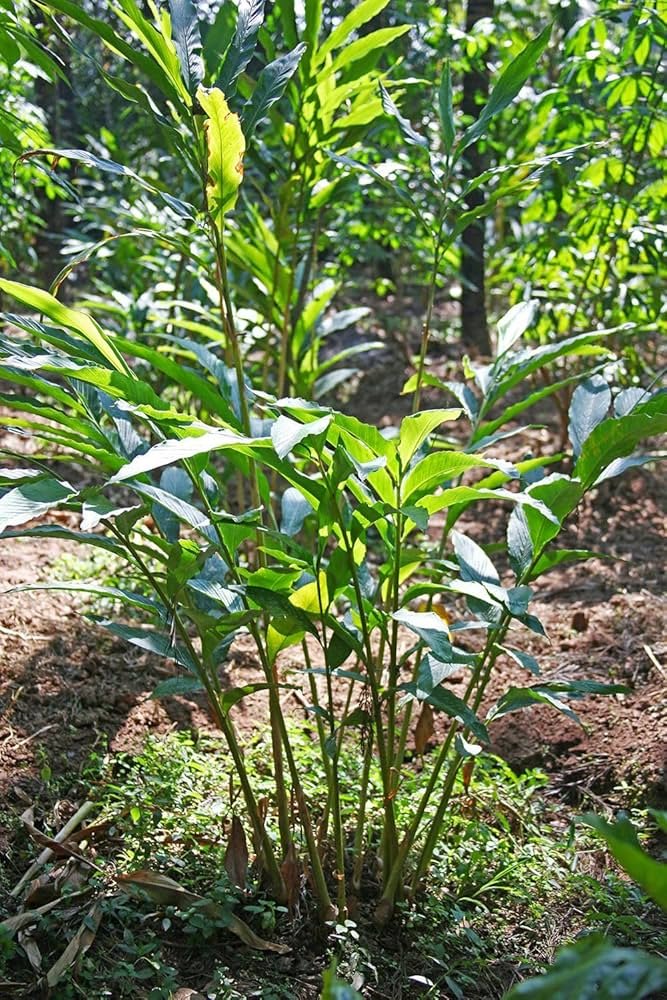
Cardamom (Elettaria cardamomum) originates from the humid forests of South India and Sri Lanka. It’s a perennial herb in the ginger family, producing tall leafy shoots and underground rhizomes.
Key Growing Requirements:
- Warm climate (18°C–35°C)
- High humidity
- Filtered or partial sunlight
- Rich, moist soil
- Slow-growing perennial—requires patience
If you can create the right environment, cardamom thrives beautifully.
🌾 Section 1: Preparing Your Cardamom Seeds

Growing cardamom from seed requires proper seed selection and preparation because fresh seeds germinate best.
✔ 1. Choose Fresh Seeds
Avoid using dried seeds from spice packets—they are usually treated and will not germinate. Instead, get:
- Fresh cardamom pods
- Seeds from a nursery
- Seeds from a reliable online seller
Fresh, dark seeds have the highest germination rate.
✔ 2. Break Dormancy for Faster Germination
Cardamom seeds have a natural dormancy that slows down sprouting. Use these steps to improve results:
a. Soak Seeds
- Soak seeds in lukewarm water for 24 hours.
- This softens the seed coat and activates germination.
b. Scarify Lightly (optional)
Gently rub seeds with sandpaper for 5–10 seconds.
This helps water penetrate faster.
c. Use a Growth Booster (optional)
Soak seeds in:
- Seaweed extract, or
- Aloe vera water
for an extra germination push.
🌿 Section 2: Preparing Ideal Soil for Cardamom
Cardamom grows naturally on the forest floor where soil is moist, fertile, and rich in organic matter.
✔ Best Soil Mix:
- 40% garden soil
- 30% compost or well-rotted manure
- 20% cocopeat
- 10% sand or perlite
Soil Requirements:
- Loose and airy
- Moist but never waterlogged
- pH between 6.0–7.0
Good soil ensures strong, disease-resistant plants.
🌱 Section 3: Sowing Cardamom Seeds
This is a delicate stage, but once you get it right, your seedlings will grow steadily.
✔ 1. Seedling Tray or Pot
Use:
- Seed trays
- Small pots
- Recycled plastic containers
Make sure they have proper drainage holes.
✔ 2. Fill with Soil Mix
Fill your chosen container with the prepared soil, leaving 1–2 cm headspace.
✔ 3. Planting Seeds
- Place seeds on the soil surface.
- Cover lightly with a thin layer of soil (0.5 cm).
- Do not bury too deep—cardamom seeds need light to germinate.
✔ 4. Watering
Use a spray bottle to moisten the soil gently.
Avoid direct pouring, which may displace the seeds.
✔ 5. Create a Humidity Dome
Cover the pot with:
- Plastic wrap
- A transparent lid
- A cut plastic bottle
This traps humidity, mimicking tropical conditions.
🌞 Section 4: Care During Germination
Cardamom germination can take 20–40 days, or even longer in cooler climates.
Provide These Conditions:
- Warm temperature: 20–30°C
- Indirect sunlight (never direct)
- Consistent humidity
- Avoid allowing soil to dry
Open the humidity cover for 10 minutes daily to prevent mold growth.
Signs of Germination:
- Tiny green shoots
- Delicate leaves emerging
- Soil lifting slightly around the seed
Be patient—slow growth is normal.
🌿 Section 5: Transplanting Cardamom Seedlings
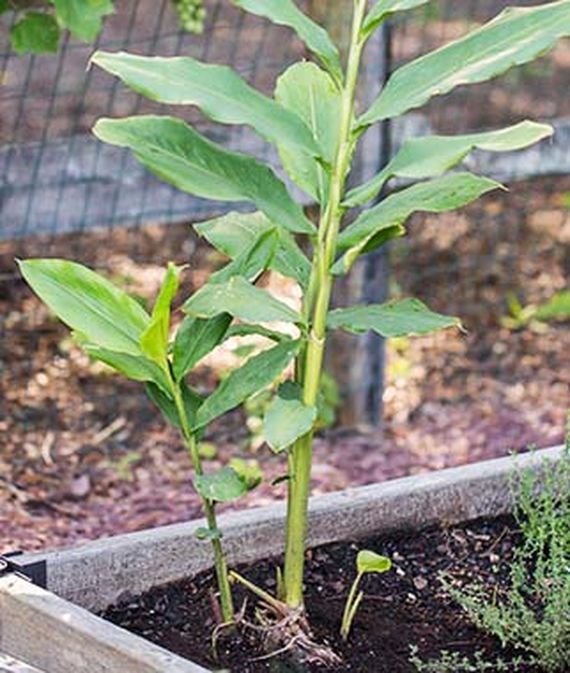
Once seedlings reach 5–7 cm height with 2–3 true leaves, transplant them carefully.
✔ Steps:
- Prepare a bigger pot (8–10 inches) or a shaded garden area.
- Fill with rich organic soil.
- Lift seedlings gently with a spoon—do not damage roots.
- Plant them at the same depth they were growing before.
- Water gently and place in partial shade.
Cardamom hates strong sunlight at early stages.
🌴 Section 6: Caring for Mature Cardamom Plants
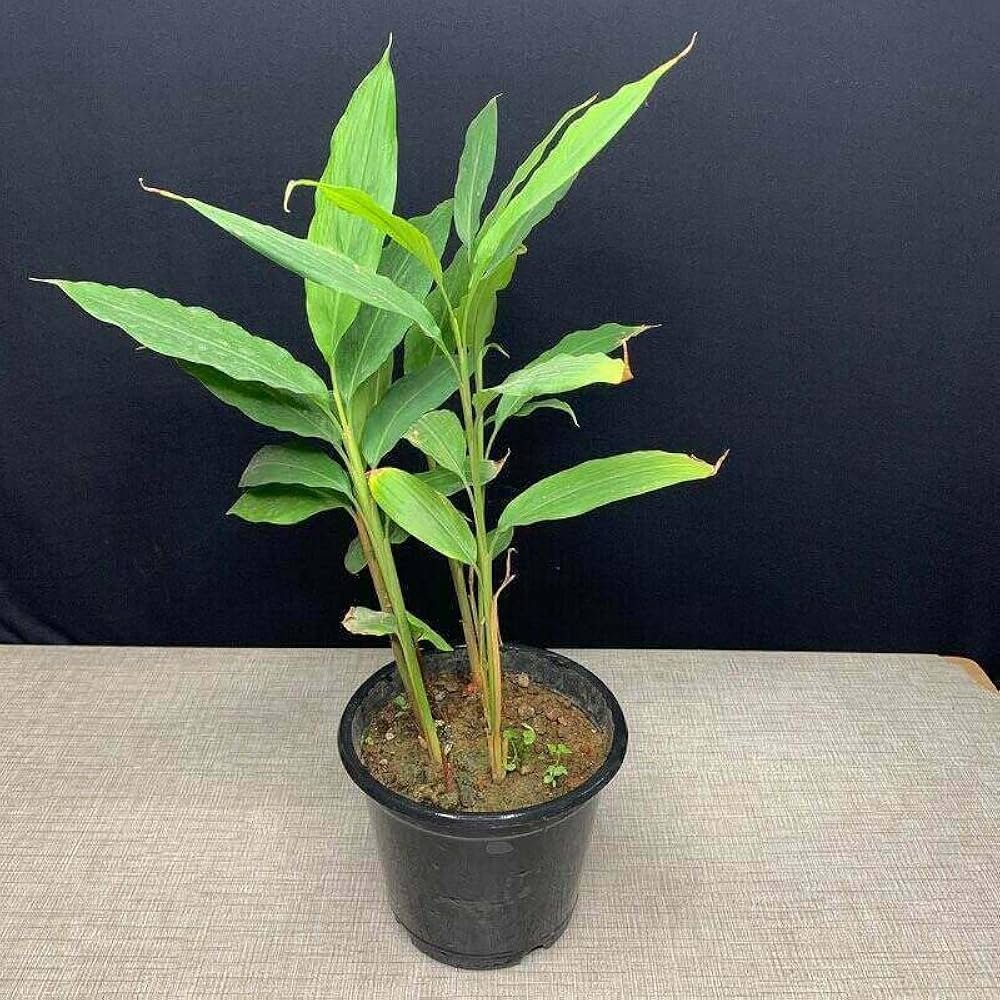
Cardamom is a slow but steady grower. With proper care, it becomes a lush evergreen plant.
🌤 1. Light Requirements
- Prefers filtered sunlight
- Ideal under trees, shade nets, or balconies
- Direct sun burns leaves
💧 2. Watering
- Keep soil consistently moist.
- Water 2–3 times a week (more in summer).
- Never allow waterlogging—may cause root rot.
🌡 3. Temperature
- Ideal range: 18°C–35°C
- Protect from cold winds or frost.
🌫 4. Humidity
High humidity = thriving plants
Mist the leaves often or keep near other plants.
🌱 5. Fertilizing
Feed the plant every month with:
- Compost
- Cow dung manure
- Vermicompost
- Liquid seaweed
- Banana peel fertilizer
Cardamom loves organic feeding.
🪴 6. Mulching
Apply mulch around the base:
- Dry leaves
- Grass clippings
- Coco chips
Mulching keeps soil cool and reduces water loss.
🌾 Section 7: Common Problems and Solutions
❗ Yellow Leaves
Cause: Too much direct sunlight
Fix: Move to shade immediately.
❗ Brown Leaf Tips
Cause: Low humidity or under-watering
Fix: Mist daily and keep soil moist.
❗ Slow Growth
Cause: Poor soil fertility
Fix: Add compost or organic fertilizer monthly.
❗ Root Rot
Cause: Overwatering
Fix: Improve drainage and water less frequently.
🌼 Section 8: When and How to Harvest Cardamom
Cardamom plants take 2–3 years to start producing flowers and pods.
🌼 Flowering
Pink or white flowers appear at the base of the plant, forming clusters.
🌿 Harvesting Pods
Harvest pods when:
- They are light green
- Slightly swollen
- Seeds inside are firm
Use scissors to cut them gently.
Drying the Pods:
- Spread pods in shade.
- Avoid direct sun—it reduces aroma.
- Dry for 5–7 days until crisp.
Store in airtight containers.
🌱 Benefits of Growing Cardamom at Home
✔ Fresh, chemical-free spice
✔ Beautiful ornamental plant
✔ Attracts pollinators
✔ Great for balconies and shaded gardens
✔ Medicinal uses—good for digestion, breath, immunity
✔ Long-term perennial harvests
Even if you don’t get pods immediately, the plant itself is stunning and adds a tropical touch to your home garden.
⭐ Final Thoughts
Growing cardamom from seed is truly a labor of love. While it takes time, patience, and tropical-like care, the rewards are incredible. Imagine harvesting your own aromatic green pods from a plant you nurtured from a tiny seed!
By choosing fresh seeds, keeping them warm and moist, and placing them in partial shade, you can successfully germinate and grow this beautiful spice plant right at home.