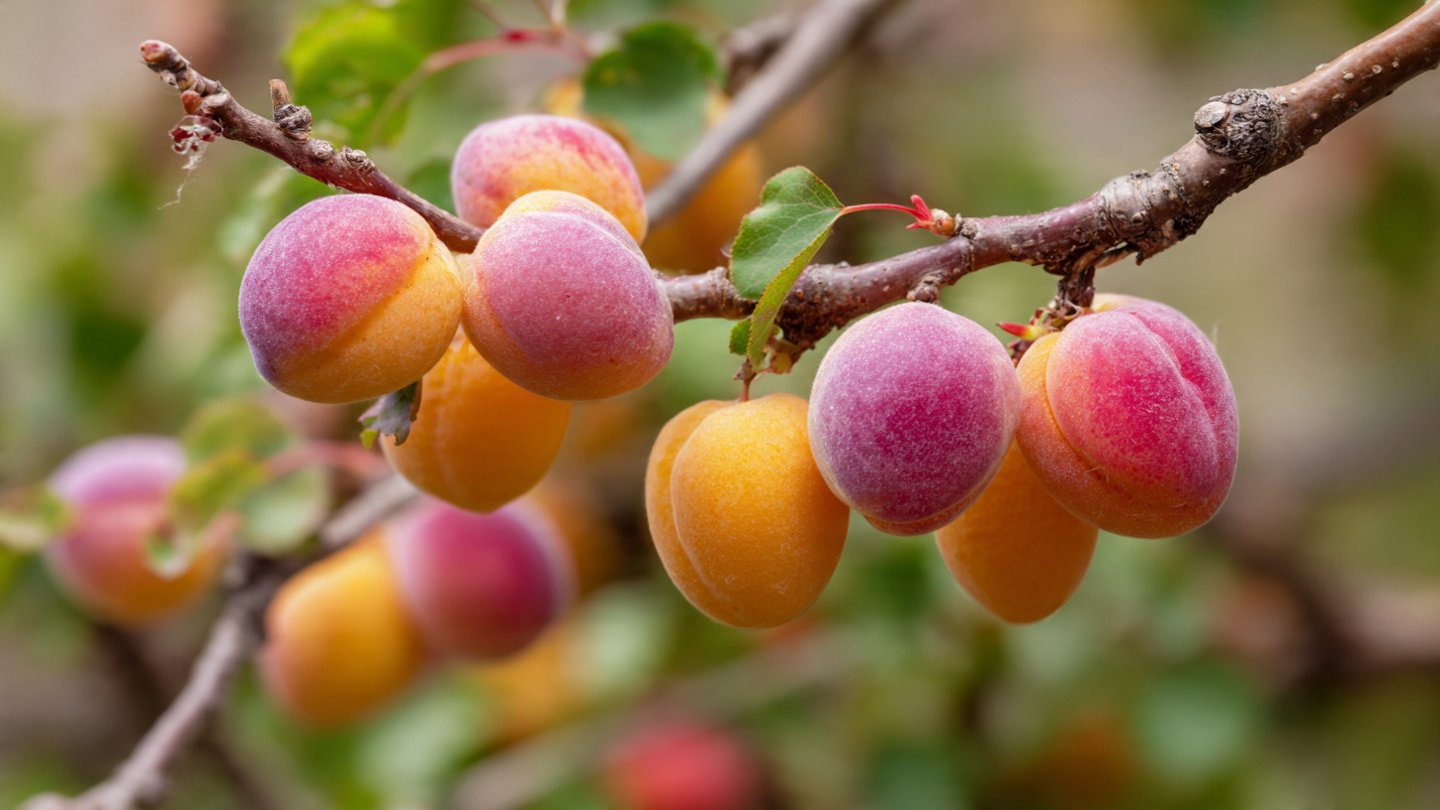

Growing an apricot tree in your backyard can be a rewarding experience, leading to delicious, juicy fruits and a beautiful addition to your landscape. Whether you’re a seasoned gardener or just starting, understanding the essentials of apricot cultivation is key to success. This guide will provide you with expert insights and techniques to ensure your apricot tree thrives, along with answers to common questions.
1. Choosing the Right Variety
Understanding Apricot Varieties
Different apricot varieties have unique characteristics and growing requirements. Common varieties include:
- Kathy: A sweet, early-maturing variety ideal for warmer climates.
- Tilton: Known for its rich flavor and excellent canning qualities.
- Sundrop: A gold-colored apricot that ripens late in the season, perfect for fresh eating.
When selecting a variety, consider your local climate, soil conditions, and personal taste preferences.
Hardiness Zones
Apricot trees thrive in USDA hardiness zones 5-8. If you reside in a cooler zone, consider planting a cold-hardy variety or using protective measures to shield your trees from frost.
2. Optimal Planting Conditions
Soil Requirements
Apricot trees prefer well-drained, sandy loam soil with a pH level between 6.0 and 7.5. Poor drainage can lead to root rot, a common issue in apricot cultivation.
Location
Choose a sunny location for your apricot tree. Full sunlight (at least 6-8 hours a day) is crucial for healthy growth and fruit production. Additionally, avoid areas prone to frost pockets, which can harm blossoms.
Planting Time
The best time to plant your apricot tree is in early spring or fall when the ground is workable but not too wet. Ensure that the tree is dormant at planting time.
Planting Technique
- Digging the Hole: Create a hole that’s twice the width and the same depth as the root ball.
- Amending the Soil: Mix organic compost with the native soil to enhance nutrients and drainage.
- Positioning the Tree: Place the tree in the center of the hole and ensure that the graft union (the swollen area on the trunk) is above soil level.
- Backfilling: Fill in the hole gently, ensuring there are no air pockets.
- Watering: Water the tree thoroughly after planting to help settle the soil.
3. Watering and Irrigation
Watering Schedule
Newly planted apricot trees require regular watering. During the first year, water every week if rainfall is insufficient. Once established, apricot trees are relatively drought-tolerant but benefit from deeper watering during dry spells.
Irrigation System
Consider installing a drip irrigation system, which delivers water directly to the roots, minimizing waste and reducing the risk of fungal diseases by keeping foliage dry.
4. Fertilizing Your Apricot Tree
Nutritional Needs
Apricot trees benefit from balanced fertilization. A soil test is recommended to determine specific nutrient needs. General recommendations include:
- Nitrogen: Apply a nitrogen-rich fertilizer in early spring, following recommended rates based on your soil test.
- Phosphorus and Potassium: Incorporate a balanced fertilizer that contains these nutrients to promote root development and fruiting.
Application Timing
Fertilization is best done in early spring and again in late summer. Avoid fertilizing late in the growing season, as this can promote new growth that may not harden before winter.
5. Pruning Techniques
Importance of Pruning
Regular pruning helps maintain a healthy structure, increases airflow, and encourages fruit production. It is essential for preventing disease and enabling sunlight to reach lower branches.
Pruning Schedule
Prune your apricot tree in late winter when the tree is dormant. Use clean, sharp tools to make clean cuts.
Pruning Steps
- Remove Dead or Diseased Wood: Start by cutting away any dead, damaged, or diseased branches.
- Thin Out Crowded Branches: Remove branches that cross each other or grow inward.
- Shape the Tree: Aim for an open, vase-like shape to enhance airflow and light penetration.
6. Pest and Disease Management
Common Pests
- Aphids: These small insects can weaken the tree. Use insecticidal soap or neem oil for control.
- Coddling Moths: They can damage fruit. Consider using pheromone traps to monitor and manage populations.
- Leafhoppers: Regularly inspect for and remove these insects, as they can transmit diseases.
Common Diseases
- Crown Rot: Caused by poor drainage; ensure proper planting techniques to prevent it.
- Brown Rot: A fungal disease affecting blossoms and fruit. Fungal treatments in spring can help manage this.
Organic Control Methods
- Companion Planting: Interplant with beneficial plants like marigolds to deter pests.
- Natural Predators: Encourage ladybugs and lacewings, which feed on aphids.
7. Harvesting Your Apricots
Signs of Ripeness
Apricots are typically ready to harvest when they are slightly soft to the touch and have a golden-yellow color. Depending on the variety, this can occur from late spring to early summer.
Harvesting Technique
Use care when picking to avoid bruising. Gently twist the fruit from the branch, or cut with pruning shears for harder-to-reach clusters.
8. Winter Care for Apricot Trees
Protecting from Frost
If you live in an area prone to late spring frosts, consider covering your tree with frost cloth or other materials to protect blossoms during critical stages.
Mulching
Apply a thick layer of organic mulch around the base of the tree in late fall to protect roots during the winter months and retain moisture.
9. FAQs About Apricot Tree Care
Q1: How long does it take for an apricot tree to produce fruit?
A: Apricot trees typically begin to bear fruit 2-4 years after planting, depending on the variety and growing conditions.
Q2: Can apricot trees be grown in pots?
A: Yes, dwarf varieties can be grown in pots. Ensure the pot is large enough (at least 15 gallons) and use high-quality potting soil.
Q3: Why are the leaves of my apricot tree turning yellow?
A: Yellow leaves may indicate nutrient deficiency, overwatering, or pest issues. Conduct a soil test to identify specific deficiencies.
Q4: How can I tell if my apricots are ripe?
A: Ripe apricots should feel slightly soft and have a vibrant color. Taste is the best indicator!
Q5: What is the best time to prune apricot trees?
A: Late winter, while the tree is dormant, is the best time to prune apricot trees.
Q6: Do I need to spray my apricot tree?
A: Regular monitoring and occasional organic sprays can help manage pests and diseases but aren’t always necessary.
Q7: Can apricot trees grow in shady areas?
A: Apricot trees require full sun (at least 6 hours of direct sunlight) to produce fruit effectively.
Q8: How often should I water my apricot tree?
A: Newly planted trees should be watered weekly. Once established, they need deep watering every few weeks during dry periods.
Q9: What should I do if my tree isn’t producing fruit after several years?
A: Assess for issues like improper pruning, insufficient light, or poor pollination conditions. It might also be a sign of nutrient deficiency.
Conclusion
Growing a thriving apricot tree in your backyard requires attention to detail and careful planning. By selecting the right variety, providing optimal growing conditions, and implementing proper care and maintenance practices, you can enjoy the sweetness and beauty of apricots for years to come. Remember, gardening is a journey of learning, so don’t hesitate to adjust your techniques based on the specific needs of your tree and local conditions. Happy growing!