
Bamboo is one of the fastest-growing and most versatile plants in the world. Whether you want it for landscaping, privacy screens, decoration, or even for small DIY projects, growing bamboo at home is incredibly rewarding. But many gardeners believe bamboo propagation is difficult or requires special tools. The truth? You can propagate bamboo easily—with just a plastic bottle, a few cuttings, and basic home supplies.
This simple method is perfect for beginners and experienced growers alike. It uses a mini-greenhouse environment created inside a plastic bottle, which helps the bamboo roots develop faster while maintaining high humidity. If you want a clean, low-cost, and space-saving propagation technique, this is the one to try.
Below is a complete step-by-step guide with expert tips for fast and successful bamboo propagation.
🌱 Why Use Plastic Bottles for Bamboo Propagation?
Plastic bottles offer several advantages over traditional pots:
1. Moisture Retention
The bottle acts like a small greenhouse, keeping humidity high—exactly what bamboo needs to root successfully.
2. Transparency for Growth Monitoring
You can see the roots forming, check for fungal issues, and monitor moisture levels without disturbing the plant.
3. Recycled & Eco-Friendly
Instead of throwing bottles away, you turn them into productive plant containers.
4. Controlled Space
Perfect for small balconies, indoor setups, and rooftop gardens where space is limited.
5. Faster Root Development
Humidity + consistent moisture + stable warmth = accelerated root growth.
🎍 Best Types of Bamboo for Bottle Propagation
While almost all clumping types root well, some grow exceptionally fast:
- Buddha Belly Bamboo (Bambusa ventricosa)
- Golden Bamboo (Phyllostachys aurea)
- Dwarf Bamboo varieties
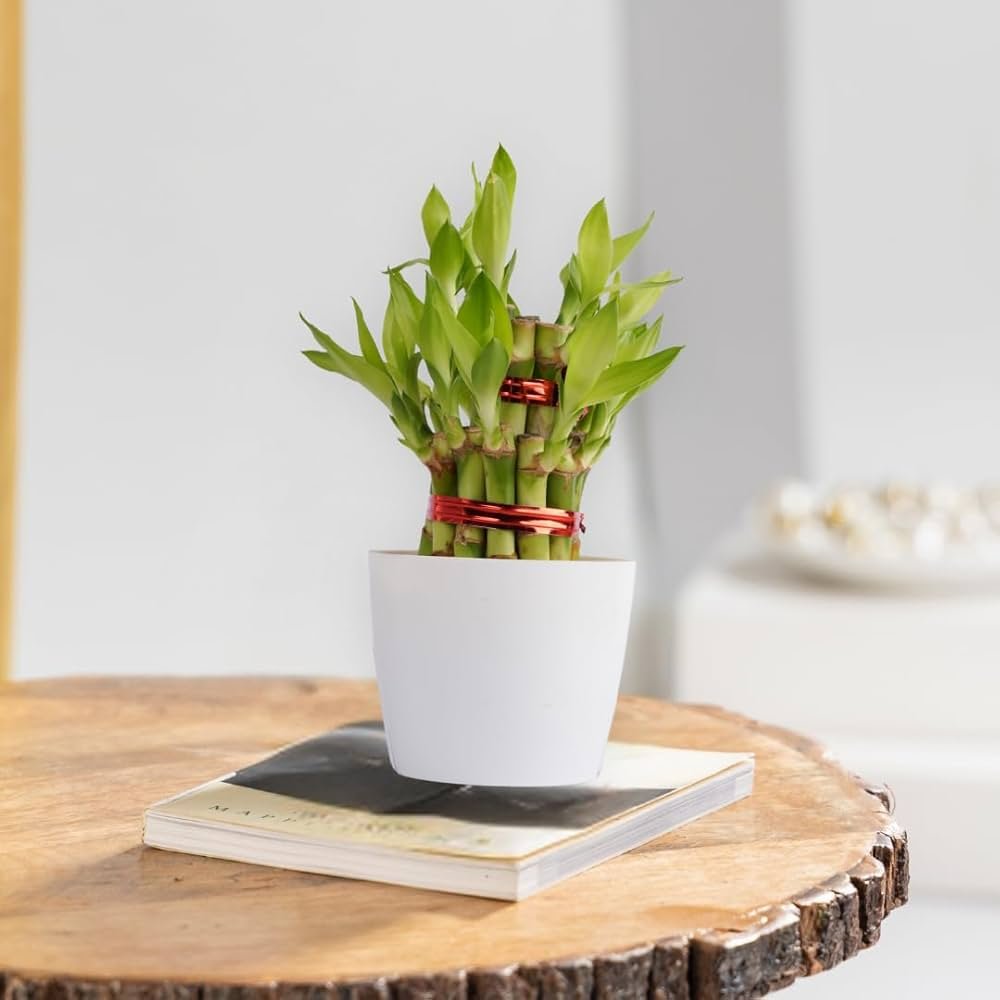
- Lucky Bamboo (Dracaena sanderiana) – actually not true bamboo but grows well in this method
- Bambusa vulgaris
Avoid running bamboo unless you specifically want aggressive growth.
🔧 Materials You’ll Need
Gather these simple items:
- 1 large plastic bottle (1–2 L recommended)
- Sharp pruning shears or a knife
- Healthy bamboo cuttings (nodes included)
- Potting soil or a mix of sand + compost
- Cocopeat (optional but recommended)
- Rooting hormone (optional)
- Water spray bottle
- Small drill or heated needle (to make holes)
Everything on this list is easy to find, inexpensive, and sustainable.
🌿 Step-by-Step Guide: Bamboo Propagation in Plastic Bottles
Step 1: Prepare Your Plastic Bottle
- Wash the bottle thoroughly.
- Cut the top portion off to create a wide-mouth pot.
- Make 4–6 drainage holes at the bottom to prevent waterlogging.
- For better ventilation, poke small side holes—but not too many, as humidity is essential.
Now your mini-grow container is ready.
Step 2: Prepare the Growing Medium
Bamboo loves loose, airy, well-draining soil. The best mixture:
- 40% garden soil
- 40% cocopeat (holds moisture without rotting roots)
- 20% coarse sand or perlite
This mix prevents fungal issues and promotes quicker root formation.
Fill the bottle two-thirds full with this medium.
Step 3: Select Healthy Bamboo Cuttings
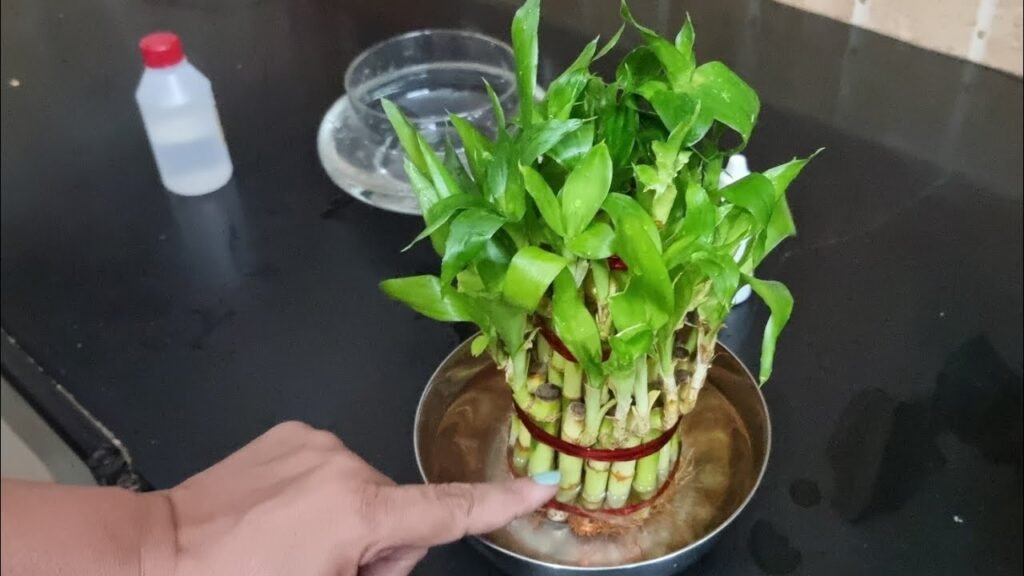
Choose fresh, mature culms (stems) with at least 2–3 nodes.
A good cutting should have:
- A firm texture
- No pests or fungal spots
- Green or slightly yellowish color
- Fresh nodal buds
Cut the bamboo at a 45-degree angle—this increases rooting surface area.
If you have rooting hormone, dip the cut end lightly for faster results.
Step 4: Plant the Bamboo Cutting
There are two common methods:
✔ Vertical Planting Method
- Insert the cutting into the soil with 1 node below the soil.
- Ensure at least 1 node remains above.
✔ Horizontal Planting Method
- Lay the cutting sideways.
- Cover only halfway with soil.
- Buds facing upward.
Both methods work, but horizontal planting often develops more roots.
Gently press the soil around the nodes to ensure contact.
Step 5: Add Water and Create Humidity
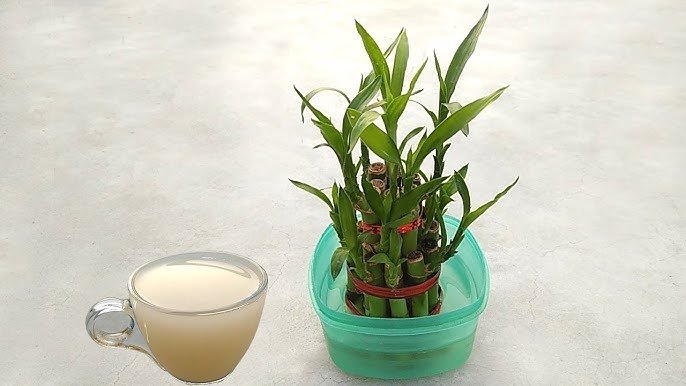
Water the soil lightly until moist—not soggy.
Place the top of the bottle back like a dome (optional), creating a humidity chamber.
Humidity inside the bottle encourages rapid root sprouting.
Step 6: Provide Proper Growing Conditions
Place your bottle in a bright, indirect light spot.
Avoid harsh sunlight during the rooting stage.
Bamboo prefers:
- Temperature: 22–30°C
- Humidity: 70%+
- Light: Bright but filtered
Avoid strong winds or cold environments.
Step 7: Maintain the Bottle Propagation System
🌧 Watering
Keep the soil slightly moist. You can lightly mist every 2–3 days.
🍃 Ventilation
Open the bottle cap or top for 20–30 minutes daily to release excess moisture and prevent mold.
🌱 Growth Monitoring
Within 3–6 weeks, you should observe:
- New shoots emerging from the node
- Roots visible against the bottle wall
- Fresh leaves or small buds forming
If the cutting remains green, it is alive—even before visible roots form.
🎉 Transplanting the Rooted Bamboo
Once the roots reach about 2–3 inches, it’s time to move the plant.
Steps:
- Gently cut open the plastic bottle (don’t pull the plant).
- Transfer the bamboo to a bigger pot or ground.
- Use rich, well-draining soil and water immediately.
- Keep under partial shade for 1–2 weeks until stable.
In 2–3 months, your bamboo will grow vigorously and begin sending shoots.
🌿 Tips for Faster and Stronger Rooting
- Use young but mature culms, not very old stems.
- Always include at least one node below soil.
- Maintain consistent humidity inside the bottle.
- Add a teaspoon of organic compost to enrich soil.
- Keep away from direct sun during rooting stages.
- Use a clean, sterilized cutter to prevent infection.
These small improvements significantly increase success rate.
💡 Common Mistakes to Avoid
❌ Overwatering — Causes root rot
❌ Direct sunlight — Heats the bottle and dries the cutting
❌ Using diseased or dry cuttings
❌ Not providing enough humidity
❌ Burying too many nodes — prevents new shoots from emerging
Avoiding these ensures a higher probability of strong, healthy bamboo growth.
🌳 Benefits of Growing Bamboo at Home
Growing bamboo offers many advantages:
✔ Ideal for Privacy Fencing
It grows tall, dense, and lush—perfect for natural screening.
✔ Low Maintenance
Requires minimal care after establishment.
✔ Fast Growth
Many species grow several feet per month.
✔ Improves Air Quality
Bamboo absorbs toxins and releases more oxygen than many plants.
✔ Aesthetic Appeal
Adds a tropical, serene look to any garden or balcony.
✔ Eco-Friendly Use of Plastic Bottles
Great recycling project for sustainable gardeners.
🌟 Final Thoughts
Propagating bamboo in plastic bottles is one of the easiest, most affordable, and most eco-friendly gardening techniques you can try at home. With just a few simple steps, you can turn a single bamboo cutting into multiple thriving plants.
Whether you’re creating a privacy wall, decorating your garden, or growing bamboo for fun, this rooting method is fast, clean, and almost foolproof.
Give it a try—and in just a few weeks, you’ll see your first new shoots bursting to life. 🌱💚
If you’d like, I can also create a YouTube-style script, thumbnail text ideas, or short social media captions for this article!