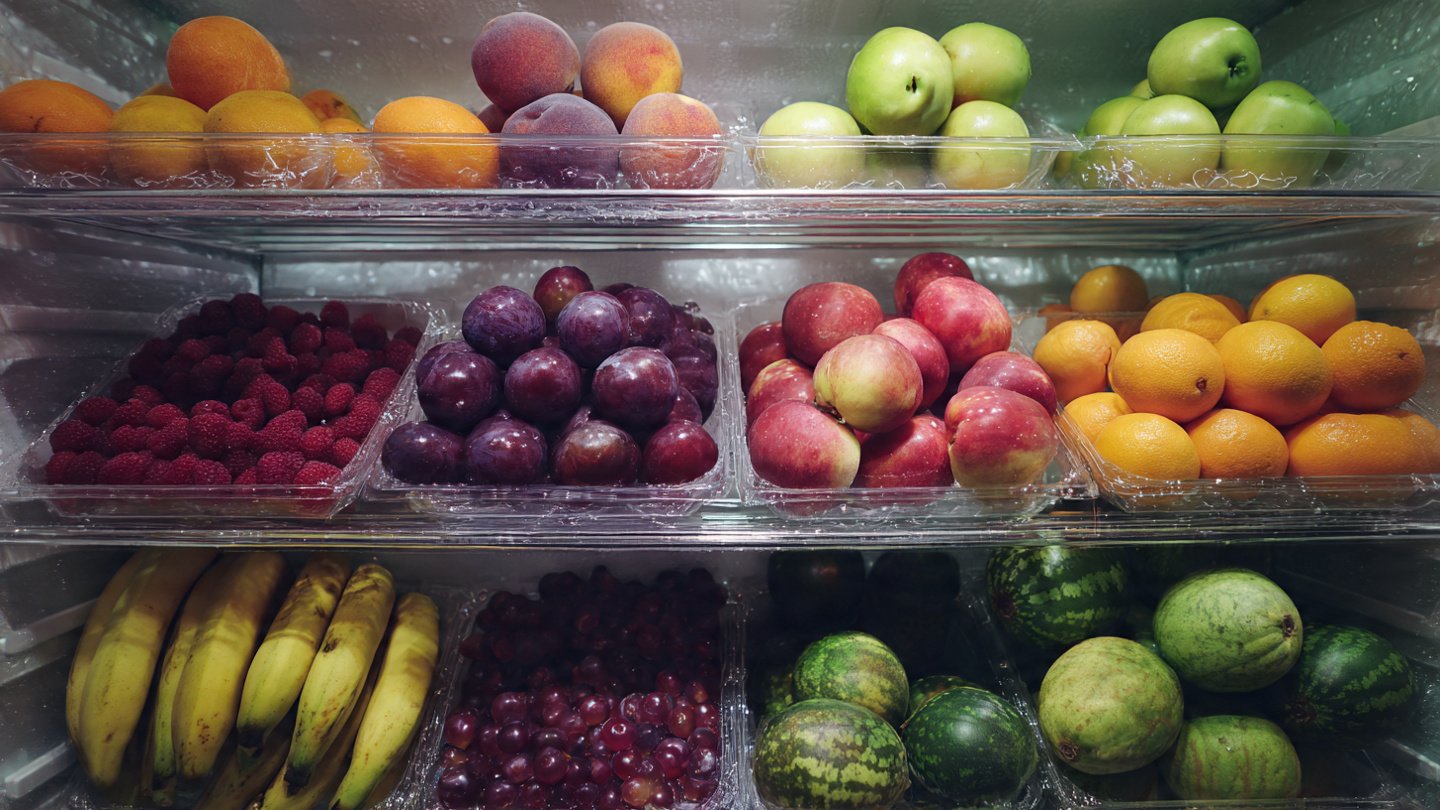

Fruits are a vital component of our diet, providing essential vitamins, minerals, and antioxidants that contribute to human health. However, the quality and shelf life of fruits can be significantly affected by storage conditions, particularly temperature fluctuations. Among these conditions, overnight heat can pose serious challenges to fruit storage and preservation. This article explores the effects of overnight heat on fruits in storage, focusing on the physiological, biochemical, and microbial implications, as well as preventive strategies.
Understanding the Basics of Fruit Storage
Fruits are living organisms that undergo various metabolic processes. The storage of fruits is crucial not only for maintaining their quality but also for extending their shelf life. Fresh fruits often perish quickly due to a combination of factors, including respiration, ethylene production, and microbial proliferation. Proper storage conditions can slow down these processes. Ideal storage conditions typically include cool temperatures, controlled humidity levels, and limited exposure to light, which together help to preserve freshness.
Why Temperature Matters
Temperature is one of the most critical factors affecting the longevity and quality of fruits during storage. Different fruits have varying optimal storage temperatures; for example, apples can be stored at 0-4°C, while bananas should be kept at about 12°C. When temperatures deviate from these ideal ranges, especially during warm nights, several biochemical and physiological processes can be adversely affected.
Physiological Effects of Overnight Heat
Increased Respiration Rate
Fruits continue to respire even after harvest. Respiration involves the conversion of stored carbohydrates into energy, producing heat in the process. Elevated temperatures lead to an increased respiration rate, which accelerates the depletion of sugars and other essential nutrients. This not only shortens the storage life but can also lead to a decline in flavor and texture.
Enhanced Ethylene Production
Ethylene is a plant hormone that regulates fruit ripening and senescence. At elevated temperatures, the production of ethylene can increase, leading to accelerated ripening. This can cause fruits to become overripe, resulting in poor texture, flavor loss, and increased susceptibility to decay. For example, avocados and tomatoes, which are climacteric fruits, may ripen too quickly under high-temperature conditions, making them unmarketable.
Water Loss and Dehydration
High temperatures can lead to increased transpiration rates, causing moisture loss in fruits. While some fruits like apples can tolerate slight dehydration, others like strawberries are particularly sensitive. Loss of moisture not only affects the texture and taste but can also compromise the fruit’s nutritional value. Dehydration can lead to shriveling, which is unappealing to consumers and can lead to increased spoilage.
Biochemical Effects of Overnight Heat
Nutrient Degradation
Elevated temperatures can accelerate the degradation of essential nutrients, including vitamins, minerals, and antioxidants. For instance, vitamin C, a critical antioxidant found in many fruits, is particularly sensitive to temperature changes. Studies have shown that higher storage temperatures can lead to significant losses of vitamin C content, adversely affecting the nutritional quality of fruits.
Flavor and Aroma Changes
Fruits develop their unique flavors and aromas through complex biochemical processes involving volatile compounds. Heat can alter the production and breakdown of these compounds, leading to changes in flavor profiles. Fruits stored in higher temperatures may not only taste different but may also lose their aromatic properties, affecting consumer acceptance.
Microbial Implications
Increased Microbial Growth
Warmer temperatures can create an environment conducive to the growth of spoilage microorganisms. Bacteria, molds, and yeasts thrive in higher temperatures, which can lead to increased spoilage rates. For instance, fruits like berries are particularly vulnerable to mold growth when stored in warm conditions, resulting in rapid spoilage and unmarketable produce.
Pathogen Proliferation
In addition to spoilage organisms, pathogens can also proliferate more rapidly at higher temperatures. Certain pathogens, such as Salmonella and E. coli, can pose significant health risks and can originate from contaminated handling practices. Warm storage conditions can enhance these risks, making safe storage practices even more crucial.
Preventive Strategies
As we understand the detrimental effects of overnight heat on fruits in storage, implementing preventive strategies becomes vital. Below are some methods to mitigate these risks:
Controlled Storage Environments
Investing in controlled-environment storage facilities can help regulate temperature and humidity levels. Climate-controlled storage can prevent fluctuations and ensure that fruits remain within their optimal temperature ranges, thus extending their shelf life.
Use of Insulation
Fruits can be insulated using specialized materials that help maintain a stable temperature. This could include insulation panels in storage facilities that prevent heat infiltration during the night.
Refrigeration and Cooling Techniques
The use of refrigerated transport and storage can significantly reduce the risks associated with unwanted temperature increases. Either active or passive cooling methods can help to keep fruits at their ideal temperatures, especially during warm summer nights.
Timing Harvest and Transport
Harvesting fruits at cooler times of the day, such as early morning or late evening, can reduce the initial temperature exposure. Additionally, transporting fruits in well-insulated vehicles can ensure they remain at optimal temperatures during delivery.
Technology Integration
Advancements in technology, such as the use of IoT devices and temperature sensors, can provide real-time monitoring of storage conditions. This technology allows for immediate corrective action if temperatures begin to rise unexpectedly.
Proper Handling Practices
Training staff in proper handling practices can minimize physical damage to fruits, reducing the likelihood of spoilage. Implementing protocols for washing and packing fruits can also help mitigate microbial risks.
Ethylene Management
For climacteric fruits, managing ethylene levels can be crucial. Ethylene absorbers and venting can help reduce the concentration of this hormone in storage conditions, slowing down the ripening process.
Conclusion
The effects of overnight heat on fruits in storage can have far-reaching implications on their quality, shelf life, and safety. By understanding the physiological, biochemical, and microbial effects of elevated temperatures, stakeholders in the fruit supply chain—from farmers to retailers—can implement effective storage solutions. With advancements in storage technology and better handling practices, it is possible to minimize the negative outcomes associated with overnight heat, ensuring that fruits retain their quality and nutritional value for the consumer.
In a world increasingly reliant on fresh produce, understanding and addressing the factors that affect fruit quality is vital not only for food security but also for public health and consumer satisfaction. Through proactive measures and continued research, we can better navigate the complexities of fruit storage and optimize the enjoyment of these vital foods.