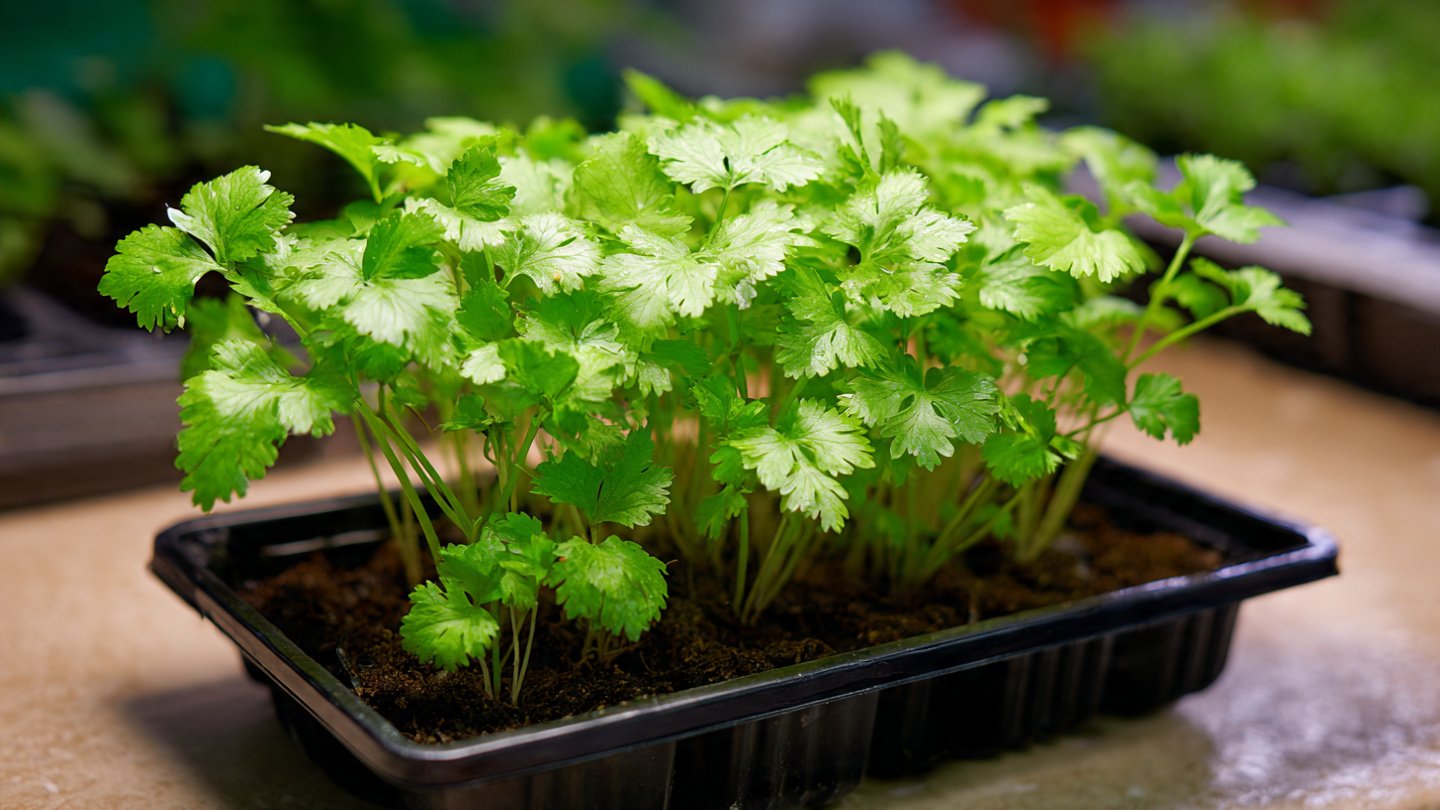

Coriander, also known as cilantro, is a versatile herb that adds a fresh, vibrant flavor to a variety of dishes. Whether you want to add it to your culinary creations or simply enjoy its lush green foliage, growing coriander in a tray at home can be a rewarding experience. This article will delve into effective strategies for successfully cultivating coriander in a tray, covering everything from selecting the right materials and seeds to care, maintenance, and harvesting.
Why Grow Coriander in a Tray?
Growing coriander in a tray has multiple benefits:
- Space Efficiency: Ideal for small apartments or homes with limited garden space.
- Controlled Environment: Allows for easier monitoring of moisture and climate conditions.
- Convenience: Easy access for cooking and harvesting, without needing to go outside.
- Aesthetic Appeal: Adds greenery to your home décor.
Choosing the Right Tray
-
Material: Plastic, ceramic, or metal trays are commonly used. Plastic is lightweight and easy to move, while ceramic is more aesthetically pleasing. Ensure the material is food-safe.
-
Size: A tray that’s at least 6 inches deep will offer enough space for root growth. Surface area also matters; aim for a tray that’s at least 18 inches long.
-
Drainage: Good drainage is crucial to prevent waterlogging and root rot. Choose trays with drainage holes or plan to drill some into solid trays.
Selecting Seeds
-
Quality: Buy high-quality, organic coriander seeds from a reliable supplier. Organic seeds will give you the best chance for healthy growth.
-
Variety: While the common coriander variety is usually sufficient, you may also explore different cultivars, such as ‘Slo-Bolt’ which tends to resist bolting in hot conditions.
Preparing the Soil
-
Soil Type: Use a well-draining potting mix that retains moisture but allows for air passage. A mix that includes peat moss, vermiculite, and compost will work well.
-
pH Level: Coriander grows best in slightly acidic to neutral soil (pH 6.2 to 6.8). You can test your soil pH with simple kits available at garden shops.
-
Prepping: Moisten the soil before filling your tray. This helps prevent soil compaction and makes it easier to fill the tray evenly.
Sowing the Seeds
-
Seed Preparation: Consider soaking seeds in water for 12 hours before planting to encourage faster germination.
-
Spacing: Plant seeds about 1 inch apart to allow room for growth. You can thin them later if they grow too close together.
-
Depth: Sow seeds about ¼ inch deep. Cover lightly with soil and gently press down to ensure good contact.
-
Watering: After planting, water the tray gently using a spray bottle or a watering can with a fine rose to avoid displacing the seeds.
Optimal Growing Conditions
-
Light Requirements: Coriander thrives in full sunlight. If growing indoors, place trays near a south-facing window. If sunlight is limited, consider using grow lights.
-
Temperature: Ideally, keep the temperature between 65°F to 75°F (18°C to 24°C). Coriander is sensitive to extreme temperatures, especially heat.
-
Humidity: While coriander prefers moderate humidity, an average household environment typically suffices. If the air is too dry, mist the leaves occasionally.
Watering and Fertilizing
-
Watering Schedule: Keep the soil consistently moist but not soggy. Check daily, as tray plants can dry out quickly. Water whenever the top inch of soil feels dry.
-
Fertilization: Use a balanced, organic fertilizer every four to six weeks, applying it according to product instructions. Avoid excess nitrogen, which can lead to more leaves but less flavor.
Maintenance and Care
-
Thinning: Once seedlings have two sets of true leaves, thin them to 4-6 inches apart to reduce competition for nutrients and sunlight.
-
Pest Management: Keep an eye out for common pests such as aphids and whiteflies. Use neem oil or insecticidal soap to treat infestations.
-
Pruning: Regularly pinch out the tips of the plants to encourage bushier growth and prevent premature bolting.
-
Weeding: Check for weeds that can compete with your coriander for nutrients. Remove them carefully to avoid disturbing the coriander roots.
Harvesting
-
Timing: Coriander leaves can be harvested once the plant boasts a healthy amount of foliage—typically around 3-4 weeks after planting.
-
Method: Use clean scissors or garden shears to cut off the leaves near the base of the plant, leaving the stems intact. This allows the plant to continue growing.
-
Storage: Fresh coriander can be stored in the refrigerator wrapped in a damp paper towel or in a jar with water. It’s best to use it as soon as possible for optimum flavor.
Common Challenges and Solutions
-
Bolting: Coriander plants will bolt (flower and set seed) when stressed, typically due to high temperatures or lack of moisture. To prevent bolting, provide adequate watering and ideally grow in cooler months.
-
Low Germination Rate: If seeds fail to germinate, check for seed quality and ensure that soil conditions are optimal, particularly moisture and temperature.
-
Poor Flavor: If leaves appear lush but lack flavor, it may be due to excess nitrogen. Adjust the fertilization regimen accordingly.
Growing Coriander Year-Round
If you live in a region with extreme temperatures, consider growing coriander indoors or using a greenhouse setup. This will allow you to cultivate this delightful herb year-round, ensuring that you always have fresh leaves at your fingertips.
Frequently Asked Questions (FAQs)
1. How often should I water coriander in a tray?
You should check the soil daily and water whenever the top inch feels dry. Ensure that excess water can drain out to prevent root rot.
2. Can I grow coriander without sunlight?
Coriander prefers full sunlight. However, if natural light is not available, you can use grow lights for at least 12 hours a day.
3. How long does it take to grow coriander from seed?
Coriander usually takes about 2-3 weeks to germinate and can be ready for harvest in about 3-4 weeks, depending on growing conditions.
4. Can I grow coriander in a smaller tray?
While it’s possible, a smaller tray may limit root growth and yield. A tray at least 6 inches deep and 18 inches long is ideal for optimal growth.
5. How do I prevent pests in coriander?
Regularly inspect your plants and use natural pest repellents, such as neem oil, to keep pests at bay.
6. Can I save coriander seeds for next season?
Yes, you can collect seeds from mature coriander plants. Allow the seeds to dry completely before storing them in a cool, dark place for planting the next season.
7. Is coriander a perennial or annual plant?
Coriander is an annual herb, meaning it completes its life cycle in one growing season. Once it bolts and sets seed, the plant will typically die off.
Conclusion
Growing coriander in a tray at home can be an enjoyable and fulfilling activity. By selecting the right materials, seeds, and care practices, you’ll be well on your way to a bountiful crop of this flavorful herb. With attention to detail, a little patience, and a nurturing approach, you can enjoy fresh coriander in your culinary endeavors year-round. Happy gardening!