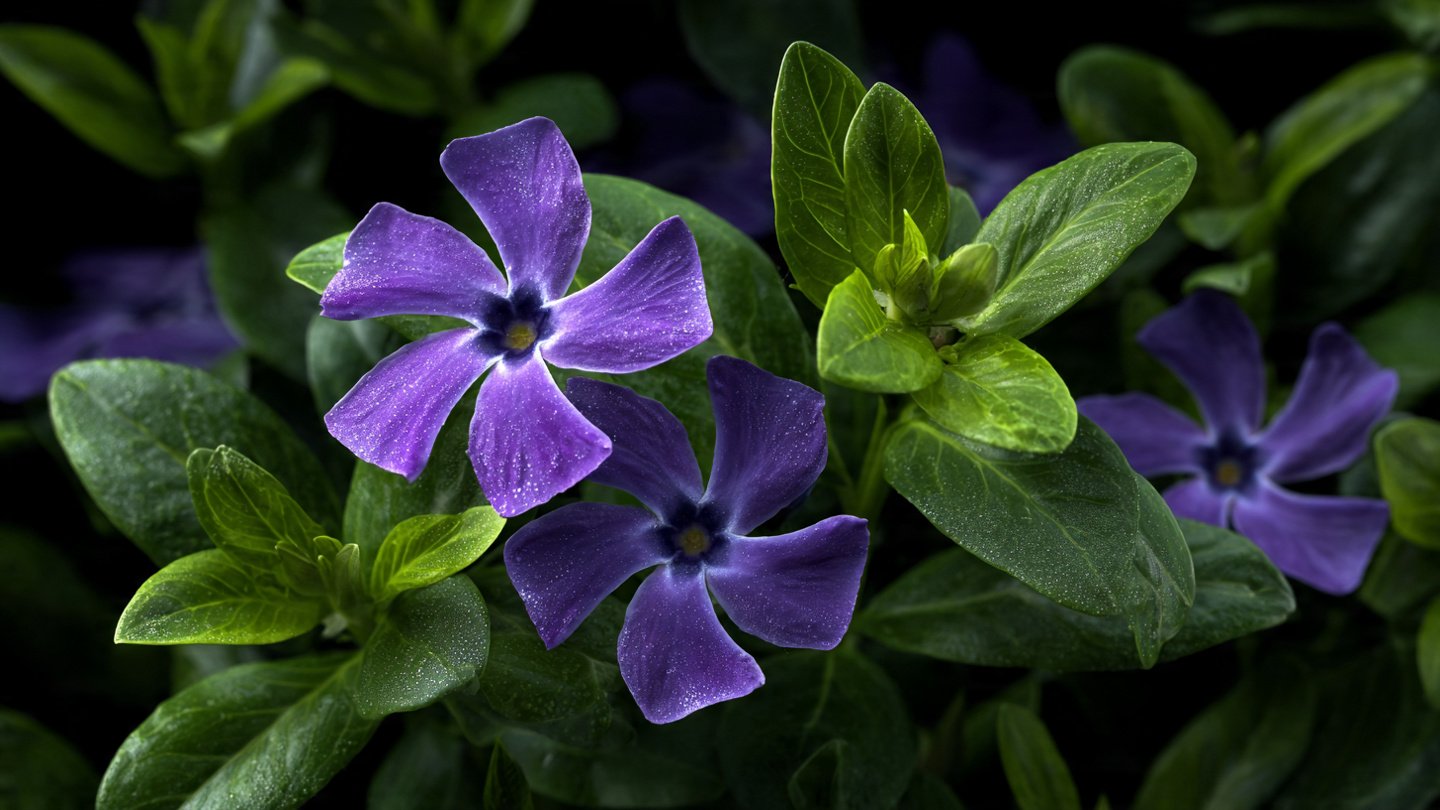

Periwinkle, also known as Vinca, is a popular flowering plant cherished for its vibrant colors, ease of care, and ability to thrive in various conditions. Whether you’re looking to cultivate periwinkle indoors or outdoors, growing this lovely plant from seed can be a rewarding endeavor. In this article, we’ll take you through easy steps to grow periwinkle from seed, along with tips for both indoor and outdoor gardening.
Understanding Periwinkle
Before diving into the growing process, it’s essential to understand what periwinkle is. Periwinkle includes a variety of species, but the most common ones cultivated are Catharanthus roseus (Madagascar periwinkle) and Vinca minor (common periwinkle). These plants are known for their glossy leaves and star-shaped flowers, which bloom in various colors, including pink, white, and purple.
Benefits of Growing Periwinkle
- Aesthetic Appeal: The bright and cheerful flowers can enhance any garden or indoor space.
- Medicinal Properties: Some species have been used for traditional medicine.
- Pest Resistance: Periwinkle is relatively resistant to pests and diseases.
- Low Maintenance: Once established, periwinkle requires minimal care.
Step-by-Step Guide to Growing Periwinkle from Seed
Step 1: Gather Supplies
Before starting, ensure you have all the necessary supplies:
- Seeds: Choose your desired periwinkle variety.
- Seed starting mix: A light soil mix that drains well.
- Containers: Seed trays, pots, or biodegradable seed pots.
- Watering can/spray bottle: For gentle watering.
- Labels: To keep track of your seedlings.
- Light source: Grow lights or a sunny windowsill.
- Heat mat (optional): To maintain warm soil temperatures.
Step 2: Sowing Seeds Indoors
Timing
Start seeds indoors 6-8 weeks before the last frost date in your area.
Process
-
Prepare Containers: Fill your seed trays or pots with the seed starting mix. Moisten the mix thoroughly but ensure it’s not soaking wet.
-
Plant Seeds: Sow the seeds about ¼ inch deep. Space them according to the seed packet instructions. Generally, 2-3 seeds per pot is a good idea.
-
Label the Containers: Use labels to identify the variety and the sowing date.
-
Water: Gently water the seeds using a spray bottle or watering can to avoid displacing them.
-
Provide Warmth: If using a heat mat, place your containers on it to maintain a soil temperature of about 70-75°F (21-24°C) for optimal germination.
-
Light Exposure: After sowing, place the containers in a location that receives bright but indirect sunlight or under grow lights for 12-16 hours daily.
Step 3: Germination and Seedling Care
- Germination Time: Periwinkle seeds typically germinate within 2-3 weeks.
- Watering: Keep the soil consistently moist but not soggy. Overwatering can cause root rot.
- Thinning: Once seedlings develop their first set of true leaves, thin them out by snipping the weaker seedlings at the soil line to allow stronger ones to thrive.
Step 4: Transplanting Outdoors
Timing
When the risk of frost has passed and seedlings are strong enough (about 4-6 inches tall), it’s time to transplant.
Process
-
Choose a Location: Periwinkle thrives in full sun to partial shade. Select a well-draining garden bed.
-
Prepare the Soil: Amend the soil with compost or a slow-release fertilizer to enhance nutrients.
-
Transplanting: Carefully remove seedlings from their containers, being cautious not to damage the roots. Plant them about 12-18 inches apart, depending on the variety.
-
Watering: Water the plants thoroughly after transplanting to help them adjust to their new environment.
Step 5: Care for Outdoor Periwinkle
-
Watering: Water established plants weekly, especially during dry spells.
-
Mulching: Apply mulch around plants to retain moisture and suppress weeds.
-
Fertilizing: Fertilize once in early spring with a balanced fertilizer.
-
Pruning: Trim spent flowers and leggy growth to encourage bushier growth and continued blooming.
Step 6: Growing Periwinkle Indoors
If you want to grow periwinkle indoors, follow these guidelines:
-
Light: Ensure they receive ample natural light, ideally from a south-facing window or under grow lights.
-
Humidity: Maintain humidity levels by misting the plants or placing them on a pebble tray filled with water.
-
Repotting: If your plant outgrows its pot, repot it in the spring.
-
Diseases: Keep an eye out for common indoor plant pests, such as spider mites or aphids, and treat them promptly.
Common Challenges and Solutions
-
Poor Germination: Ensure seeds are fresh and stored properly. Check humidity and temperature levels during germination.
-
Leggy Seedlings: Insufficient light can lead to tall, spindly plants. Increase light exposure.
-
Powdery Mildew: This can occur in humid conditions. Improve air circulation and avoid overhead watering.
FAQs
1. Can I grow periwinkle in pots?
Yes, periwinkle grows well in containers. Ensure pots have good drainage and use a quality potting mix.
2. How often should I water periwinkle?
Water periwinkle when the top inch of soil feels dry. Avoid waterlogging, as it can lead to root rot.
3. Are periwinkles annual or perennial?
Catharanthus roseus (Madagascar periwinkle) is typically grown as an annual in colder climates. Vinca minor is a perennial that can survive through winter.
4. How can I tell if my periwinkle is getting enough light?
If the leaves are turning yellow and the plant appears leggy, it may need more light.
5. Can I propagate periwinkle cuttings?
Yes, you can propagate periwinkle through cuttings. Take a healthy stem cutting, remove lower leaves, and place it in water or soil until it roots.
6. Do periwinkles attract pests?
While periwinkles are relatively pest-resistant, they can occasionally attract aphids or spider mites. Regular inspections and organic insecticidal soap can help manage these pests.
7. What temperatures are ideal for growing periwinkle?
Periwinkle thrives in temperatures between 60-75°F (15-24°C). Protect them from frost and extreme heat.
Conclusion
Growing periwinkle from seed is a fulfilling gardening adventure, whether indoors or outdoors. With its hardy nature and vibrant blooms, periwinkle can be an excellent addition to any garden or home. By following these easy steps and considering the common challenges, you’ll be well on your way to cultivating healthy and attractive periwinkle plants. Happy gardening!