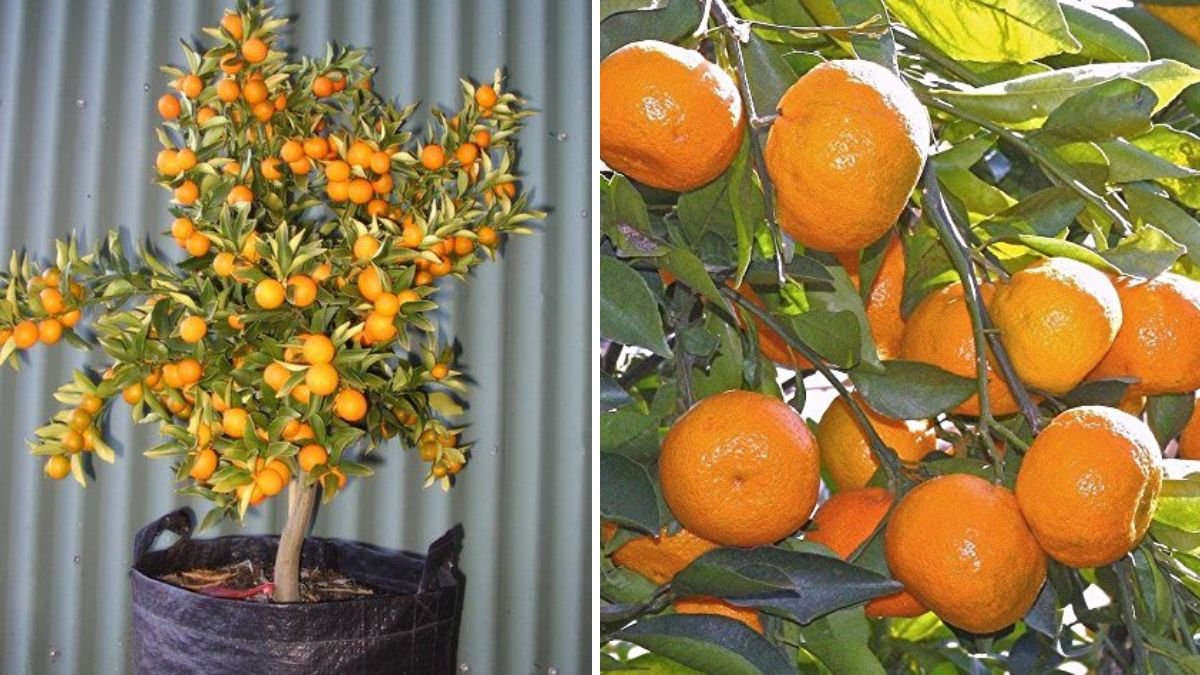

Oranges are among the most popular and widely cultivated citrus fruits around the world. Sweet, juicy, and packed with vitamin C, they are a staple in households and a profitable crop for farmers. However, growing orange trees from seeds can take years before the first fruit appears, and the fruit may not always match the quality of the parent tree.
Thanks to a revolutionary and easy grafting technique using Aloe vera, gardeners and farmers can now produce strong, healthy orange trees that yield better fruits faster. This article will guide you through this innovative grafting method, step by step, and explain why Aloe vera plays a critical role in successful orange grafting.
🌱 Why Grafting Oranges with Aloe Vera Works
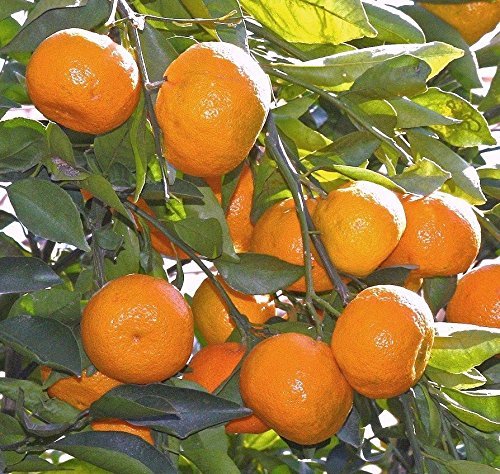
Grafting is the process of joining two plants:
- Rootstock: The lower part that forms the roots.
- Scion: The upper part that produces the fruit.
The addition of Aloe vera makes grafting more successful because:
- Aloe vera gel contains natural growth hormones, which promote faster healing and root development.
- Its antimicrobial properties protect the graft from infection.
- It retains moisture around the graft, ensuring better union.
By using Aloe vera during grafting, even beginners can achieve high success rates, while producing healthy and high-yielding orange trees.
🌿 Materials Needed for Orange Grafting with Aloe Vera
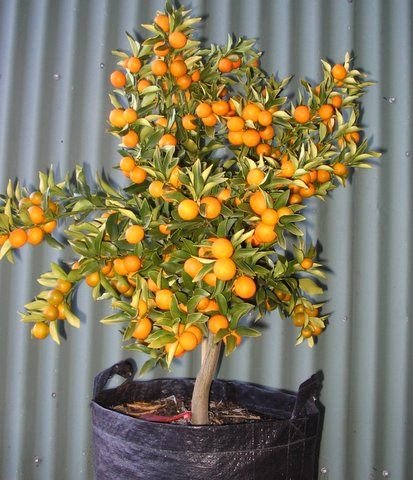
To try this method, gather the following:
- Healthy orange scion (from a fruit-bearing tree)
- Orange rootstock (seedling or young tree)
- Sharp grafting knife
- Aloe vera gel (fresh from the leaf)
- Grafting tape or cling film
- Clean cloth or tissue
Optional: plastic bag to maintain humidity.
✂️ Step-by-Step Guide: Easy Orange Grafting with Aloe Vera
1. Select Healthy Rootstock and Scion
- Rootstock: 6–12 months old, disease-free, sturdy.
- Scion: Taken from a mature, high-yielding orange tree with 2–3 buds.
Matching the thickness of the scion and rootstock improves grafting success.
2. Prepare the Rootstock
- Make a clean horizontal cut at the top of the rootstock.
- Using the grafting knife, create a vertical slit in the center of the cut.
- This slit will hold the scion firmly.
3. Prepare the Scion
- Cut the scion into a wedge shape.
- Make sure the cut is smooth and free from jagged edges.
- Remove lower leaves to leave 2–3 top leaves for photosynthesis.
4. Apply Aloe Vera Gel
- Extract fresh Aloe vera gel from the leaf.
- Coat the cut surfaces of the scion with a thin layer of Aloe vera gel.
- Aloe vera promotes rapid callus formation and reduces infection risk.
This step is the key innovation of this technique and is why even beginners see high success rates.
5. Insert the Scion into the Rootstock
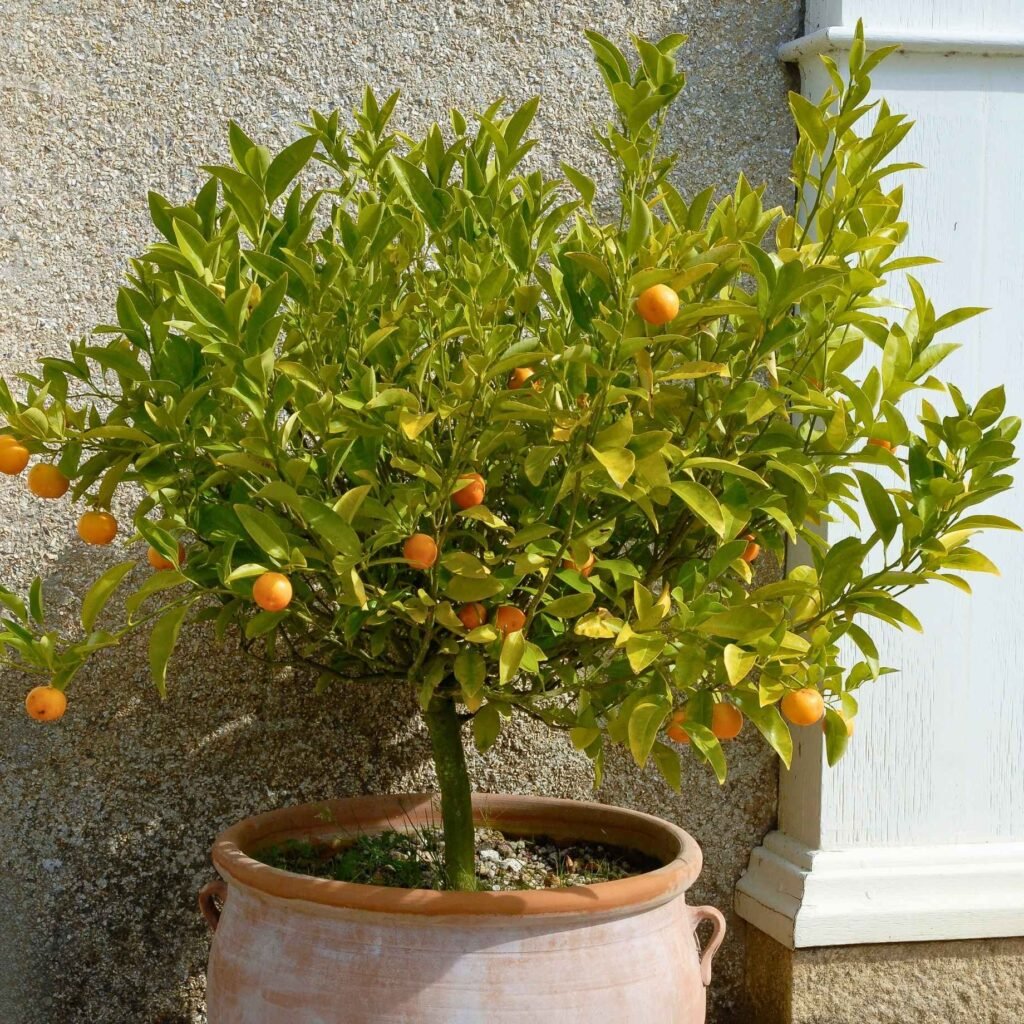
- Place the wedge-shaped scion into the slit of the rootstock.
- Ensure cambium layers align perfectly (the green layer under the bark).
- A tight fit without gaps ensures a strong union.
6. Secure the Graft
- Wrap the graft tightly with grafting tape or cling film.
- Cover the scion and joint completely to prevent moisture loss and contamination.
- Optionally, cover the grafted plant with a plastic bag to maintain humidity.
7. Place in Shade and Monitor
- Keep the grafted plant in indirect sunlight for the first 7–10 days.
- Maintain moderate soil moisture, but avoid waterlogging.
- Check the graft every 2–3 days to ensure there are no infections.
8. Observe Successful Graft Union
- After 2–3 weeks, you will notice new shoots emerging from the scion.
- This indicates that the graft has successfully united with the rootstock.
- Gradually expose the plant to full sunlight over the next week.
🌞 Why Aloe Vera Makes a Difference
- Natural Growth Hormones: Aloe vera contains auxins and gibberellins, which stimulate callus formation and root growth.
- Antimicrobial Properties: Reduces the risk of fungal and bacterial infection at the graft site.
- Moisture Retention: Keeps the grafted area hydrated and prevents drying out, especially in warm climates.
This natural solution replaces synthetic rooting hormones and ensures safer, organic grafting.
🌿 Care for Your Grafted Orange Tree
After the graft has taken, proper care is essential to encourage growth and fruiting.
1. Watering
- Keep the soil slightly moist, not waterlogged.
- Water the base gently to avoid disturbing the graft.
2. Fertilizing
- Apply organic compost or cow dung every 2 months.
- During flowering and fruiting, use potash-rich fertilizers to boost fruit size and sweetness.
- Avoid over-fertilizing nitrogen, which promotes leaf growth but reduces fruiting.
3. Sunlight
- Gradually expose the grafted tree to full sunlight.
- Young grafted trees need 6–8 hours of light per day for healthy growth.
4. Pruning
- Remove weak or damaged branches.
- Cut shoots that grow below the graft to direct energy toward fruit-bearing branches.
5. Pest and Disease Control
- Spray neem oil every 15 days to prevent aphids, mealybugs, and scale insects.
- Keep the area around the tree clean to minimize fungal infections.
🍊 Advantages of Orange Grafting with Aloe Vera
- Easy for Beginners: Minimal technical skill required.
- Higher Success Rate: Aloe vera improves graft survival significantly.
- Faster Growth: Rootstock provides strong roots; Aloe vera stimulates scion growth.
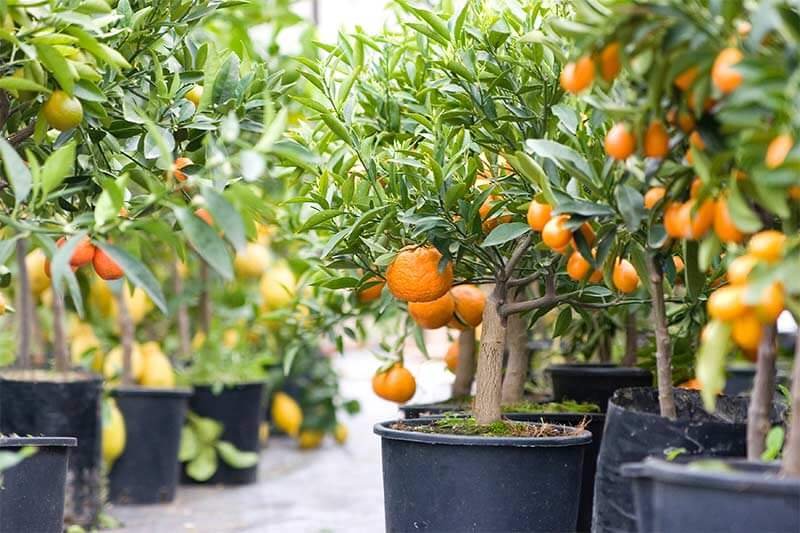
- Earlier Fruiting: Grafted trees can fruit 2–3 years earlier than seed-grown trees.
- Better Quality Fruits: The scion maintains its original flavor, size, and sweetness.
- Organic and Safe: No synthetic chemicals needed; Aloe vera is natural and safe.
🌱 When to Expect Your First Fruits
- Grafted trees can produce flowers in 2–3 years.
- Seed-grown trees usually take 5–7 years.
- With proper care, the tree continues to produce consistent, high-quality fruits for decades.
🌟 Tips for Maximum Success
- Always use healthy, disease-free scions and rootstocks.
- Ensure perfect cambium alignment for faster graft union.
- Apply fresh Aloe vera gel, not store-bought gel with additives.
- Maintain consistent soil moisture.
- Protect young grafts from strong winds and extreme sunlight.
🍊 Conclusion
Grafting orange trees using Aloe vera is a simple, effective, and organic technique that ensures:
- Faster tree growth
- Higher graft survival
- Earlier fruiting
- Improved fruit quality
This method is especially useful for home gardeners, small-scale farmers, and citrus enthusiasts who want reliable results without complicated procedures or chemicals. By combining the natural healing properties of Aloe vera with the grafting technique, anyone can grow healthy, high-yielding orange trees with minimal effort.
Whether you are looking to boost your backyard harvest or start a small citrus orchard, this easy Aloe vera grafting technique is the perfect solution for productive, healthy orange trees.