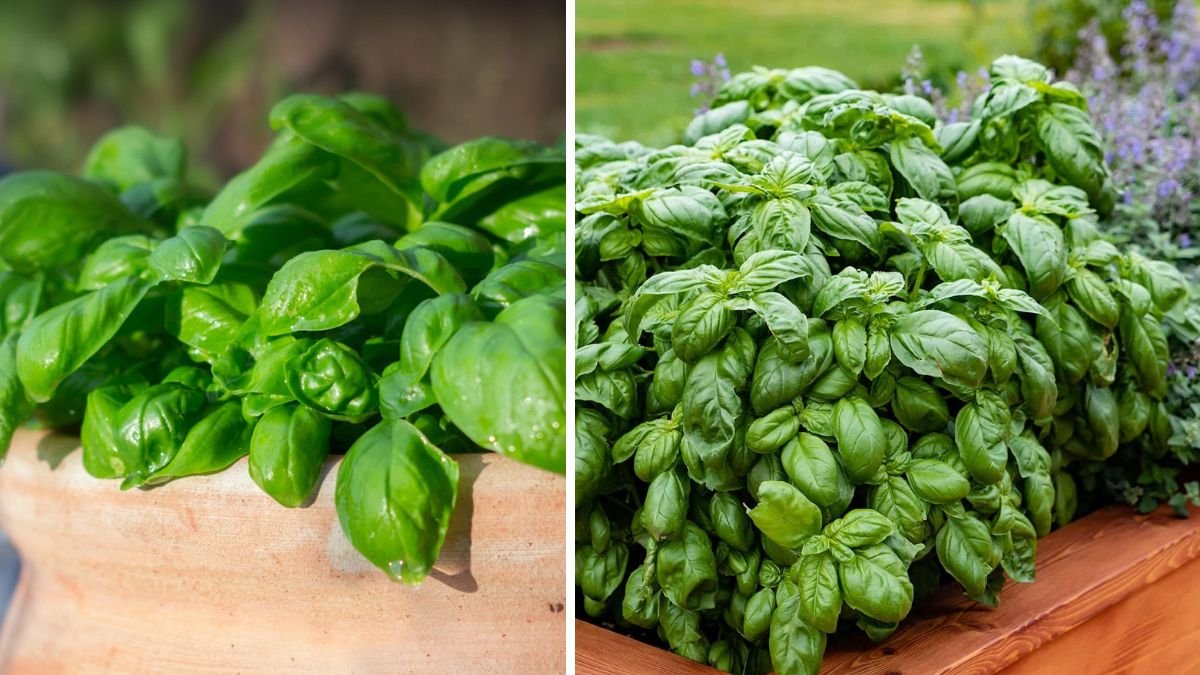

Basil, with its fragrant aroma and vibrant green leaves, is a staple herb in kitchens around the world. Known for its culinary versatility, basil can elevate a variety of dishes, from classic Italian pasta sauces to fresh salads. Not only is it delightful in the kitchen, but growing basil at home is also a rewarding endeavor. This article will guide you through easy methods to grow a lush, bushy basil plant right in your own garden or on your kitchen windowsill.
Understanding Basil
Basil (Ocimum basilicum) is a member of the mint family and comes in several varieties, each with its unique flavor profile. The most common type is Sweet Basil, which is favored for culinary use, while others like Thai Basil have a strong, distinct taste that can enhance Asian recipes. Basil thrives in warm weather and requires ample sunlight, making it perfect for home gardens and indoor pots.
Site Selection and Preparation
Choosing the Right Location
Basil loves sunlight! To ensure your basil plant grows bushy and strong:
- Sunlight: Choose a location that receives at least 6 to 8 hours of sunlight daily. South-facing windows or outdoor spots with full sun are ideal.
- Soil: Basil prefers well-draining soil that is rich in organic matter. A pH level between 6.0 and 7.0 is ideal.
Preparing the Soil
-
Choose Your Container or Garden Space: If using containers, ensure they have drainage holes. For garden planting, select a section of well-tilled soil.
-
Soil Mix: For container gardening, mix potting soil with compost or aged manure for nutrients. If planting in the garden, enrich the soil with organic matter.
-
Good Drainage: Ensure the soil has excellent drainage to prevent waterlogging, which can lead to root rot.
Propagation Methods
Starting from Seeds
Growing basil from seeds can be satisfying and cost-effective. Here’s how:
-
Sow the Seeds: Plant basil seeds about ¼ inch deep and 12 inches apart for outdoor planting. If using pots, a small pot can accommodate several seeds.
-
Watering: Gently water the soil after sowing, keeping it consistently moist but not soggy.
-
Germination: Seeds typically germinate within 5 to 14 days, depending on the temperature.
Cloning Existing Plants
You can also propagate basil from cuttings of an existing plant:
-
Select Healthy Stems: Choose stems from a healthy basil plant, at least 6 inches long, with several leaves.
-
Cut and Place in Water: Cut the stem just below a leaf node and place it in a glass of water. Ensure the nodes are submerged.
-
Roots Development: Change the water every few days. After about 2 weeks, roots should start to develop, at which point you can transfer the cutting to the soil.
Watering Techniques
Basil requires regular watering to flourish but is sensitive to overwatering:
-
Frequency: Aim to water basil when the top inch of soil feels dry. Generally, this means watering about twice a week.
-
Deep Watering: When you water, do so deeply. This encourages deeper root growth and produces a bushier plant.
-
Avoid Watering Leaves: Water at the base of the plant to avoid moisture on the leaves, which can lead to fungal diseases.
Fertilizing Your Basil
Fertilization is crucial for a healthy basil plant. Here’s how to do it:
-
Type of Fertilizer: Use a balanced, water-soluble fertilizer with a ratio of 10-10-10 or a natural alternative like fish emulsion or compost.
-
Frequency: Fertilize once every four to six weeks during the growing season (spring and summer).
-
Dilution: Always dilute the fertilizer to half strength to avoid burning the roots, especially if using synthetic fertilizers.
Pruning for Bushiness
Pruning basil is essential for encouraging bushy growth. Follow these steps:
-
When to Prune: Begin pruning once the plant reaches about 6 inches in height.
-
How to Prune: Use sharp, clean scissors to snip off the top leaves just above a leaf node. This encourages new growth from that node, leading to a fuller plant.
-
Remove Flowers: If you see flower buds forming, pinch them off. Flowering can lead to reduced leaf production and a change in flavor.
Pest Management
Basil is generally resistant to pests, but issues can arise:
-
Common Pests: Look out for aphids, spider mites, and whiteflies.
-
Natural Remedies: Use insecticidal soap or neem oil as a natural pest control method.
-
Companion Planting: Planting basil alongside tomatoes, peppers, or oregano can deter pests and enhance growth.
Harvesting Basil
Harvesting your basil correctly ensures continuous growth:
-
Timing: Begin harvesting once your plant has reached at least 6 inches tall and has multiple leaves.
-
Methods: Snip off leaves or stems, making the cut above a node. Always leave enough foliage so the plant can continue to grow.
-
Proper Storage: Fresh basil can be stored in a jar of water at room temperature or wrapped in a damp paper towel and placed in a plastic bag in the fridge.
Indoor vs. Outdoor Growing
While basil can thrive outdoors, growing it indoors is equally feasible:
-
Indoor Growing: Use a bright windowsill with direct sunlight. If natural light is insufficient, consider grow lights.
-
Temperature: Aim to keep indoor basil between 65 and 75°F, making sure it’s not exposed to cold drafts.
Winter Care
If you live in a climate with cold winters, consider these tips for keeping your basil plants alive through the cold months:
-
In-Ground to Pot: If growing in the garden, consider transplanting your basil into pots to move inside before the first frost.
-
Supplemental Lighting: Indoor plants may require grow lights to thrive during shorter winter days.
Frequently Asked Questions (FAQs)
1. How often should I water my basil plants?
Water basil when the top inch of soil feels dry. Generally, this means watering twice a week, but this can vary based on temperature and humidity.
2. Can I grow basil indoors?
Yes! Basil grows well indoors as long as it receives adequate sunlight—ideally 6 to 8 hours a day. Use a south-facing window or supplement with grow lights.
3. What are the best companion plants for basil?
Basil thrives when planted with tomatoes, peppers, oregano, and parsley, as these can deter pests and enhance each other’s growth.
4. How can I prevent my basil from flowering?
To prevent flowering, regularly prune the plant by snipping off branches just above the leaf nodes and removing any developing flower buds.
5. What is the best way to use fresh basil?
Fresh basil can be added to salads, pasta dishes, pizzas, and infused oils. It’s best used fresh to retain maximum flavor, but you can also dry or freeze it for later use.
6. What should I do if my basil leaves are turning yellow?
Yellow leaves may indicate overwatering, lack of nutrients, or a fungal issue. Ensure proper drainage and fertilization and inspect for pests or disease.
7. How long does it take for basil to grow from seed?
Basil usually takes about 5 to 14 days to germinate, and you can start harvesting leaves around 6 to 8 weeks after planting.
Conclusion
Growing basil at home offers not only fresh ingredients for your culinary creations but also provides a fulfilling gardening experience. By following these simple methods—selecting a sunny spot, ensuring proper watering, employing effective pruning techniques, and managing pests—you can cultivate a lush, bushy basil plant that will thrive in your space. Whether you’re a seasoned gardener or a beginner, basil is a delightful and accessible herb to grow, adding flavor and freshness to your meals year-round. Happy gardening!