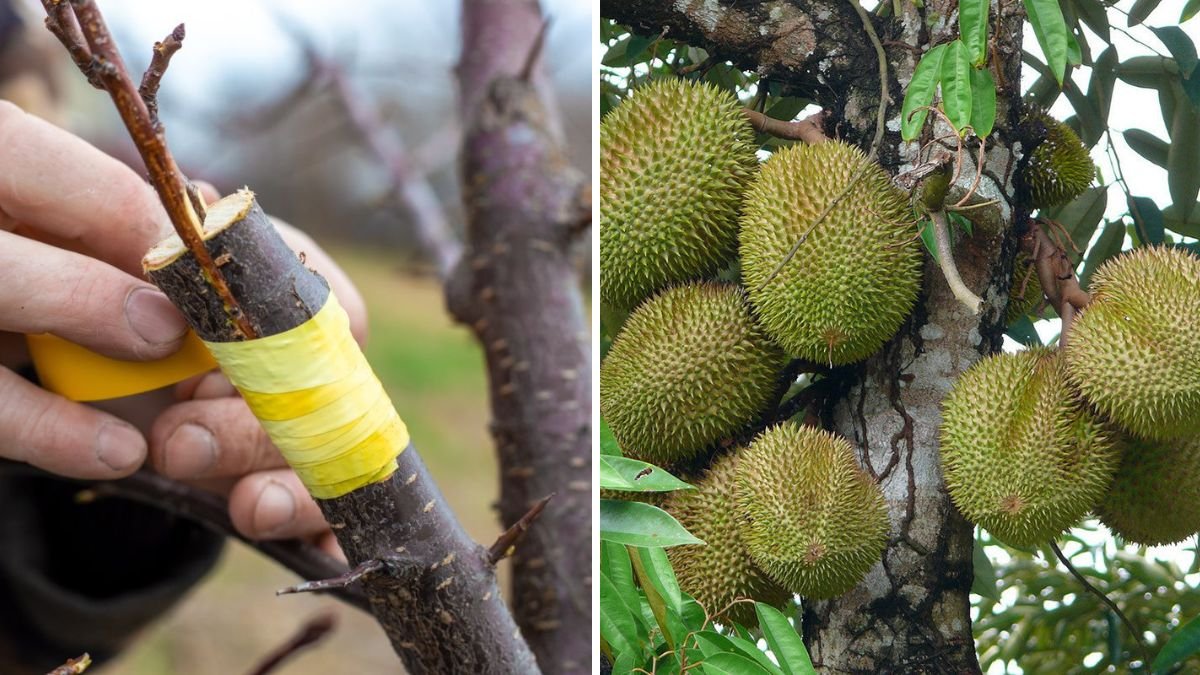

Durian, often called the “King of Fruits,” is one of the most sought-after tropical fruits in the world. Known for its powerful aroma, rich custard-like flesh, and intense flavor, durian lovers are passionate about growing their own trees. But growing durian from seed takes years, and the results are unpredictable—some trees may take forever to bear fruit, while others never produce high-quality durians.
That’s where grafting comes in.
Grafting allows you to combine the strong, disease-resistant root system of one tree with the superior fruit quality of another. The cleft grafting method, in particular, is one of the fastest, easiest, and most successful techniques for durian propagation.
In this detailed guide, you’ll learn how to perform fast cleft grafting successfully, ensuring your durian tree grows faster, stronger, and produces premium-quality fruits.
🌱 1. Why Graft Durian Trees?
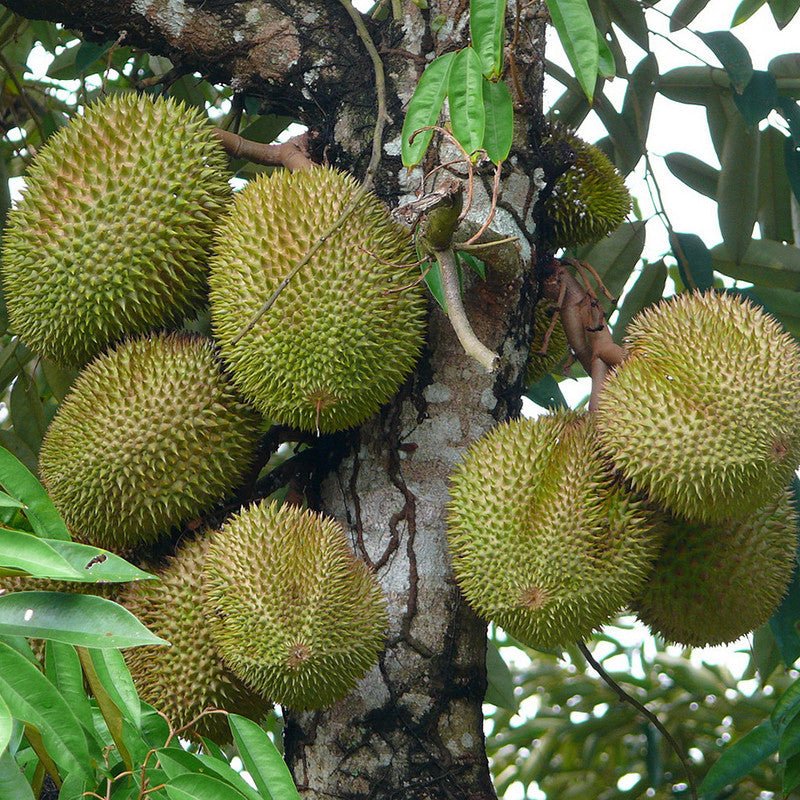
Growing durian directly from seeds is unpredictable. Grafting solves several major problems:
✔ Guaranteed fruit quality
Seeds don’t produce clones; grafting allows you to replicate the exact traits of a premium durian variety.
✔ Faster fruiting
Seed-grown durians take 8–10 years to fruit. Grafted durians may start producing in 3–5 years.
✔ Stronger root system
The rootstock is selected for disease resistance, soil adaptability, and fast growth.
✔ Higher survival rate
Grafted trees are more resilient to climate stress, pests, and root diseases.
✔ Size control
Many rootstocks help maintain a manageable tree size—ideal for small farms and backyard growers.
Grafting is the secret behind commercial orchards producing consistent, high-quality harvests.
🌳 2. Understanding the Cleft Grafting Method
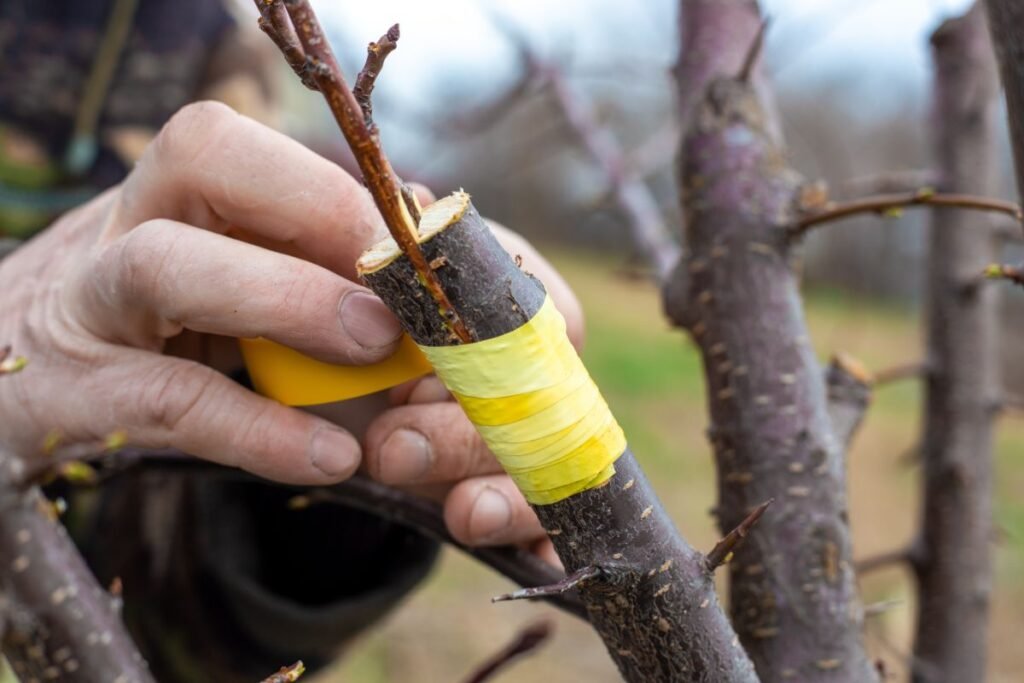
Cleft grafting (also called split grafting) is one of the simplest and most effective methods for durian. It involves inserting a scion (the desired variety) into a vertical cut on the rootstock.
Benefits of cleft grafting:
- High success rate
- Works well with young rootstocks
- Ensures strong union
- Can be done even by beginners
- Low cost and minimal equipment
This method is perfect for fast propagation when you want uniform, high-output durian trees.
🧰 3. Tools & Materials You Will Need
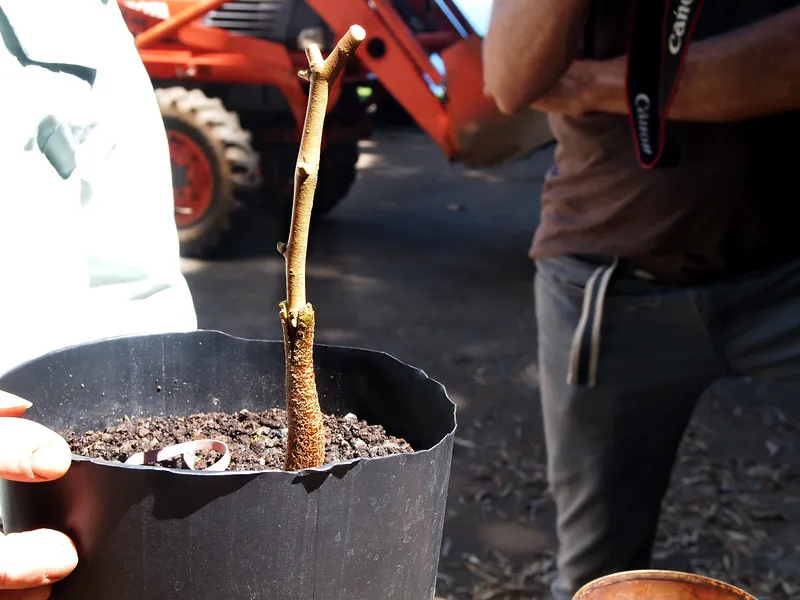
To perform fast cleft grafting successfully, gather the following:
- Sharp grafting knife
- Sterile pruning shears
- Grafting tape or buddytape
- Rubber strips or plastic ties
- Alcohol or sanitizer for tool sterilization
- Healthy scion wood (new season shoots)
- Young rootstock (6–12 months old)
Always sterilize tools before use to prevent disease.
🌱 4. Selecting the Right Rootstock
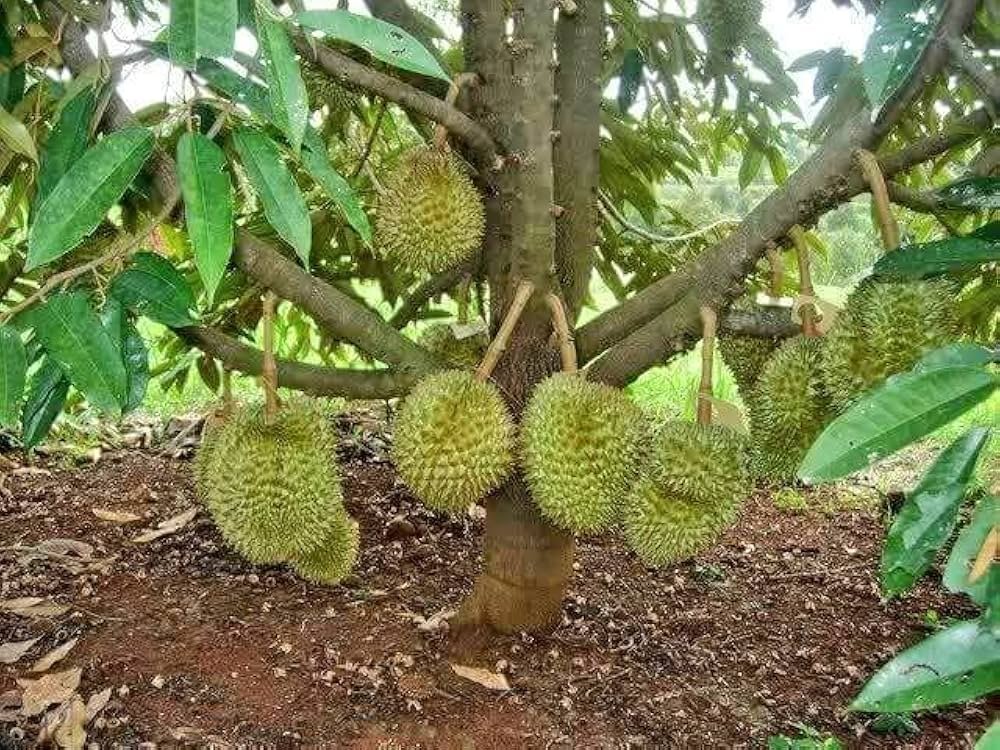
The rootstock determines the strength and health of your tree.
✔ Choose rootstock with:
- 6–12 months of growth
- Strong central stem
- Disease-free leaves
- Good taproot development
- 1 cm stem thickness
Best rootstock varieties:
- Durio zibethinus (commonly used)
- Local hardy durian types known for strong root systems
The healthier the rootstock, the faster the graft will grow.
✂️ 5. Preparing the Scion (Grafting Stick)
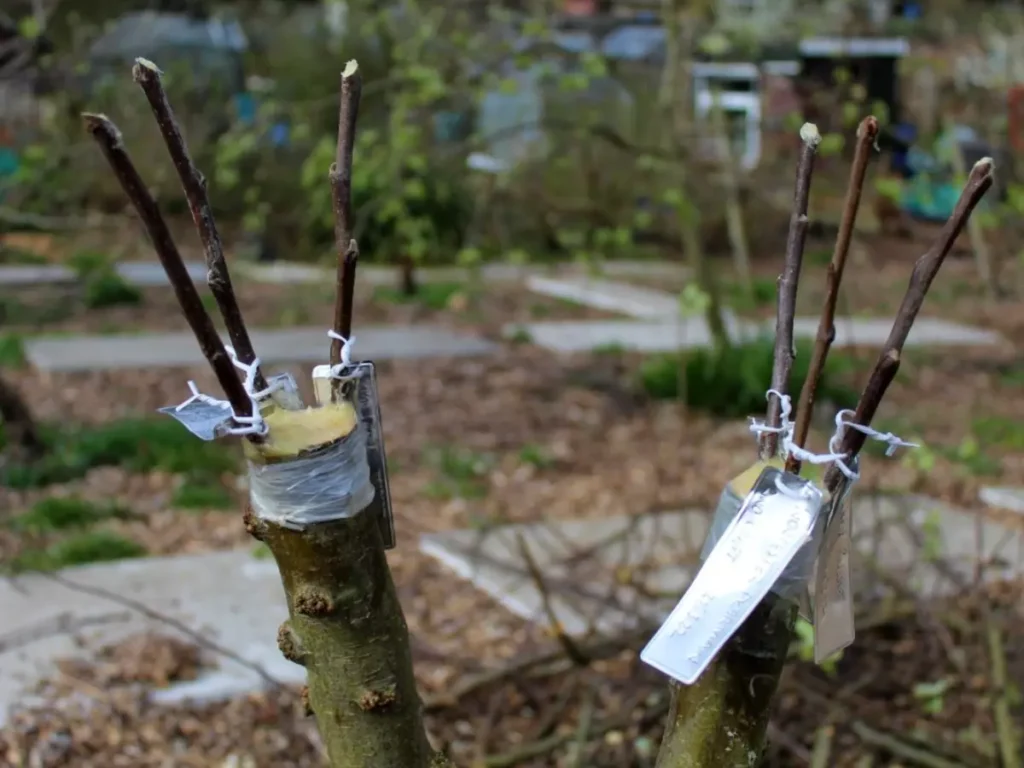
The scion contains the genetics of the durian variety you want—Musang King, Monthong, D24, D101, Golden Phoenix, etc.
How to choose the best scion:
- Use semi-hardwood material
- Young but mature shoots
- 2–4 buds per scion
- Disease-free
- Cut in the early morning for best moisture retention
Remove leaves but leave a small portion of the petiole to reduce moisture loss.
Very important:
Use fresh scions—avoid old, dried, or wilted materials.
🔪 6. Step-by-Step Fast Cleft Grafting Method
Step 1: Make a clean vertical split on the rootstock
- Cut the top off the rootstock
- Make a vertical slit (3–4 cm deep)
- Ensure the cut is straight and clean
This split will hold the scion securely.
Step 2: Shape the scion into a wedge
- Carve the base of the scion into a sharp wedge
- Both sides should be smooth and even
- This ensures proper cambium contact
Cambium contact = successful graft.
Step 3: Insert the scion
- Gently open the split on the rootstock
- Insert the scion so the cambium layers align
- Make sure at least one side touches perfectly
- The scion should stand upright and firm
Good alignment is key to fast healing.
Step 4: Secure the graft tightly
- Wrap the graft area with grafting tape
- Cover completely to prevent drying
- Ensure the joint is airtight
- Use rubber ties for extra firmness
Durian grafts fail mainly due to drying—keep the union sealed.
Step 5: Protect the graft from sunlight
Cover the grafted portion with:
- A plastic cover
- Banana leaf
- Paper bag (preferred)
This prevents overheating and moisture loss.
💧 7. Aftercare: The Secret to Fast Graft Healing
Grafting doesn’t end after tying. Proper aftercare determines success.
✔ Place grafted plants in indirect light
Avoid harsh sunlight for the first 10–15 days.
✔ Water the rootstock carefully
Do NOT wet the graft union.
✔ Maintain humidity
Dry conditions cause graft failure.
✔ Remove new rootstock shoots
Any new shoots below the graft must be removed immediately.
✔ Monitor for infections
If you see rot or mold, remove the wrap, clean, and rewrap with fresh material.
🌱 8. Signs That Your Cleft Graft Was Successful
You’ll notice success within 2–3 weeks:
- Buds on the scion begin to swell
- New leaves emerge
- Scion remains green and firm
- No shriveling or darkening
By 4–6 weeks, the graft union strengthens significantly.
🌳 9. When to Move Grafted Durian to Full Sun
Once the scion has produced several leaves:
- Gradually expose it to sunlight
- Start with morning sun
- Increase exposure over a week
Sudden strong sunlight can burn the new shoots.
🐛 10. Common Problems & How to Avoid Them
❌ Scion dries out
➡ Poor sealing. Wrap properly.
❌ Graft union rots
➡ Excess moisture. Improve air circulation.
❌ Scion falls off
➡ Weak wedge. Make firmer cuts.
❌ Rootstock grows faster
➡ Remove side shoots immediately.
❌ Slow healing
➡ Use younger scion wood next time.
🌟 11. Advantages of Fast Cleft Grafting for Durian
✔ Higher success rate
✔ Faster growth
✔ Stronger union
✔ Easy for beginners
✔ Can graft multiple varieties
✔ Suitable for commercial nurseries
✔ Produces consistent, high-quality fruit
This method is preferred by most durian growers worldwide.
🌲 12. When Will a Grafted Durian Bear Fruit?
With proper care:
- Seed-grown durian: 8–10 years
- Grafted durian: 3–5 years
- Well-managed grafted tree: 2.5–4 years
Good care speeds everything up!
🍃 Final Thoughts: Graft Durian Like a Professional
Cleft grafting is one of the simplest, fastest, and most reliable ways to produce strong, high-quality durian trees. Whether you are a backyard farmer or a small orchard grower, mastering this technique will allow you to expand your collection of premium varieties while ensuring faster harvests.
With healthy rootstock, fresh scions, a clean cut, and proper aftercare, your grafted durian will grow vigorously and reward you with delicious fruits much sooner than you expect.