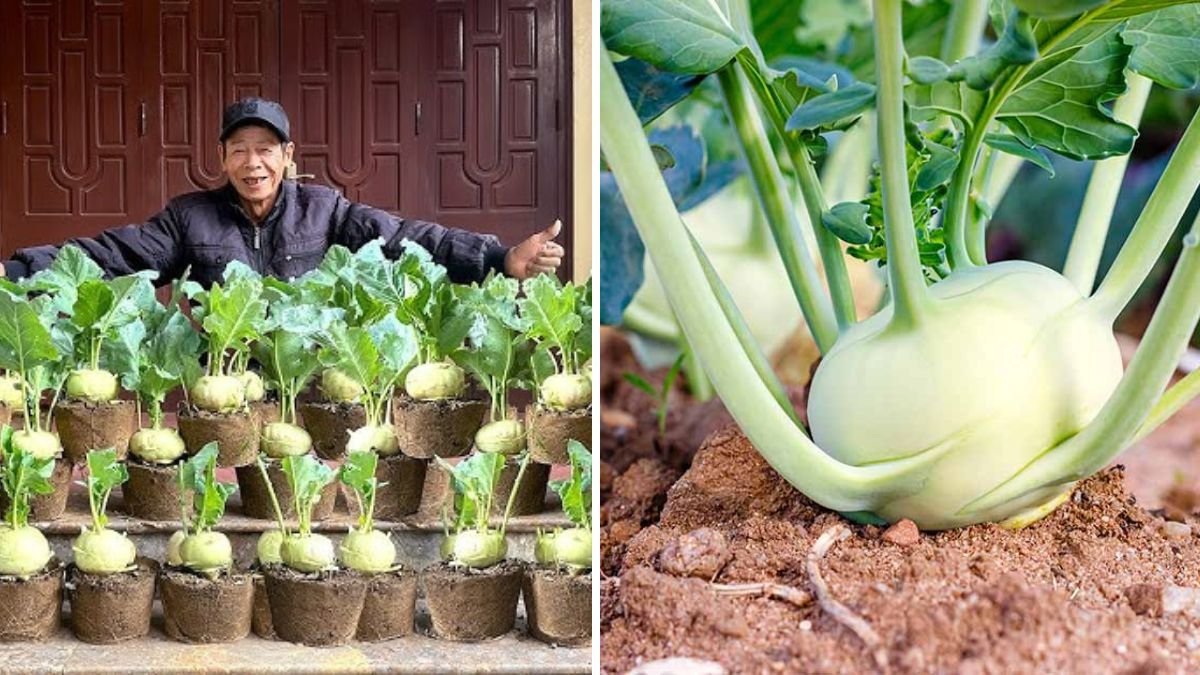

Eggshells—those tiny, fragile remnants of breakfast—are often discarded without a second thought. But did you know they can become one of the most powerful tools in your garden? If you’re looking to grow healthy, vibrant vegetables while reducing waste, eggshells are a secret weapon you shouldn’t ignore.
One vegetable that thrives with a little eggshell magic is kohlrabi. This crunchy, slightly sweet vegetable, often referred to as the “German turnip,” is rich in vitamin C, fiber, and antioxidants. By combining the natural benefits of eggshells with simple gardening techniques, you can grow kohlrabi that’s not only nutritious but also robust and flavorful.
In this guide, we’ll explore how to transform eggshells into a nutrient-rich growing medium and provide step-by-step instructions to cultivate kohlrabi effortlessly.
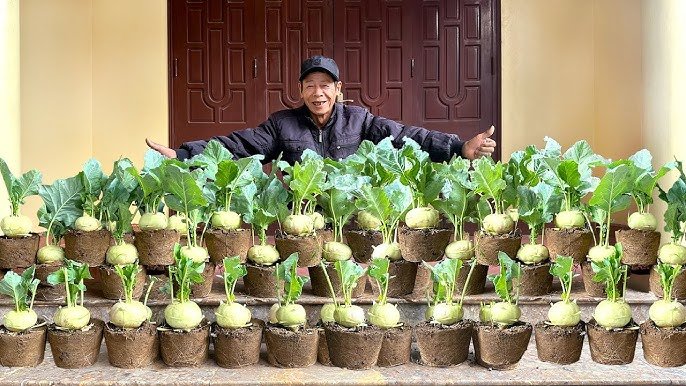
Why Eggshells Are a Garden Superfood
Eggshells are packed with nutrients that plants love. Here’s why they’re so effective:
- High in Calcium
Calcium is essential for plant growth. It strengthens cell walls, reduces blossom end rot, and supports strong root development. Kohlrabi, in particular, benefits from extra calcium, producing firm, healthy bulbs. - Slow-Release Fertilizer
When crushed or ground, eggshells break down slowly, releasing nutrients over time. This provides a steady supply of minerals for growing vegetables. - pH Balancer
Eggshells are slightly alkaline, which can help balance acidic soil. This is particularly helpful in container gardening or small plots where soil conditions may vary. - Natural Pest Deterrent
Crushed eggshells can create a barrier against soft-bodied pests like slugs and snails, protecting young seedlings from being eaten. - Eco-Friendly and Cost-Effective
Instead of throwing away eggshells, you’re recycling waste into a valuable resource—saving money and helping the environment.
Why Kohlrabi?
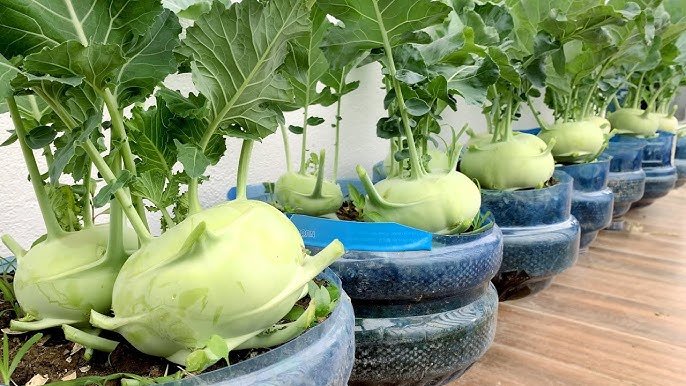
Kohlrabi is a versatile, easy-to-grow vegetable that thrives in cool weather. Its round, bulbous stem develops just above the soil, with leafy greens sprouting from the top. It’s a favorite among gardeners because:
- It grows quickly—ready to harvest in 6–8 weeks.
- It’s nutrient-dense, packed with vitamins, minerals, and fiber.
- It can be eaten raw, roasted, steamed, or added to salads and soups.
Pairing kohlrabi with eggshells maximizes growth potential and ensures a healthier harvest.
Materials You’ll Need
To grow kohlrabi using eggshells, you’ll need:
- Eggshells: Cleaned and crushed or ground.
- Kohlrabi Seeds or Seedlings: Choose disease-resistant varieties for best results.
- Potting Mix: Organic soil or a mix suitable for vegetables.
- Containers or Seedling Trays: Eggshells can also serve as small starter pots.
- Watering Can or Spray Bottle: For gentle watering.
- Sunlight: Kohlrabi needs at least 4–6 hours of sunlight daily.
Step 1: Prepare the Eggshells
- Rinse eggshells thoroughly to remove any egg residue.
- Allow them to dry completely.
- Crush the shells into small pieces, or grind them into a powder for faster nutrient release.
- Optional: Keep a few large eggshell halves to use as mini seedling pots for starting kohlrabi seeds.
Step 2: Start Kohlrabi Seeds in Eggshells
- Fill eggshell halves with a small amount of potting mix.
- Plant 1–2 kohlrabi seeds per eggshell, about ½ inch deep.
- Lightly water the soil to keep it moist but not soggy.
- Place in a sunny windowsill or under grow lights for 4–6 hours of light daily.
Eggshells act as a perfect biodegradable pot. Once the seedlings grow strong enough, you can transplant them directly into your garden or larger container without disturbing their roots.
Step 3: Transplant Seedlings
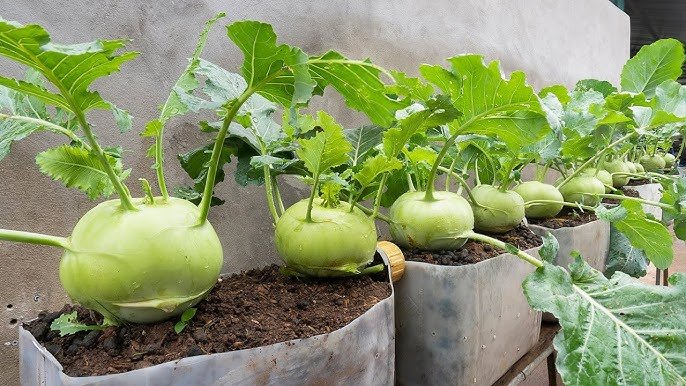
- Once seedlings reach 3–4 inches in height, they’re ready to be transplanted.
- Choose a location with well-draining soil and adequate sunlight.
- Dig a small hole and place the eggshell with the seedling directly into the soil.
- Gently cover the eggshell with soil, leaving the top exposed. The eggshell will decompose over time, enriching the soil with calcium.
Step 4: Use Crushed Eggshells as Soil Amendment
Even if you don’t use eggshells as starter pots, adding crushed eggshells to the soil provides numerous benefits:
- Mix a handful of crushed eggshells into the planting hole before placing seedlings.
- Sprinkle a thin layer around the base of the plants as a slow-release calcium source.
- Crush larger eggshells and scatter them on top of the soil to deter slugs and snails naturally.
Step 5: Care for Your Kohlrabi
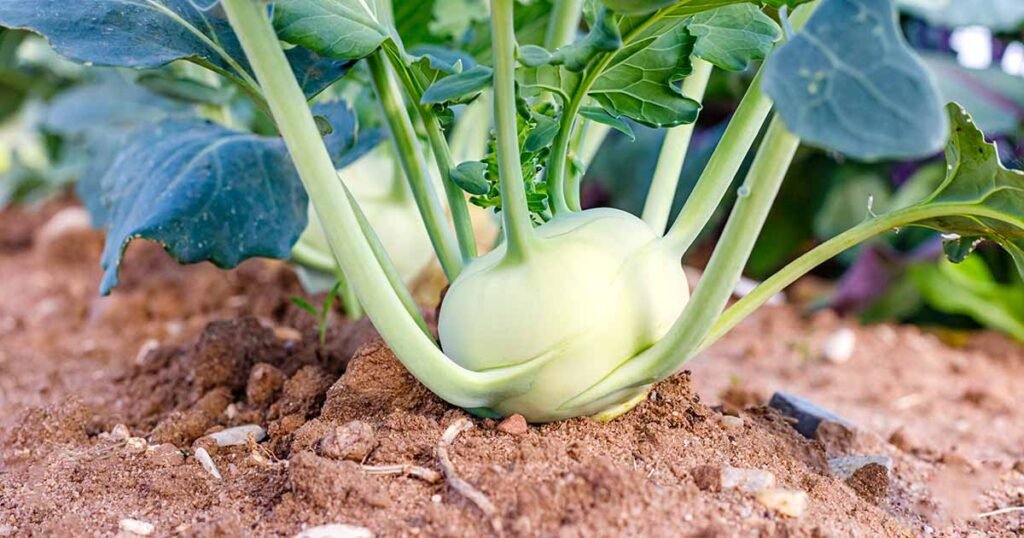
- Watering: Kohlrabi prefers consistently moist soil but not waterlogged conditions. Water deeply 2–3 times per week.
- Fertilizing: Eggshells provide calcium, but you can also use compost tea or organic fertilizer every few weeks for additional nutrients.
- Mulching: Mulch around the plants with straw or leaves to retain moisture and reduce weeds.
- Thinning: If multiple seedlings grow too closely in one spot, thin them to allow 6–8 inches between plants for proper bulb development.
Step 6: Harvesting Kohlrabi
- Kohlrabi bulbs are ready to harvest when they are 2–3 inches in diameter, usually 6–8 weeks after planting.
- Cut the bulb at the base, just above the soil line.
- Remove any yellowed or damaged leaves.
- Harvest leaves as well—they are edible and can be used in salads, soups, or stir-fries.
Benefits of Using Eggshells to Grow Kohlrabi
- Stronger Plants
Calcium strengthens cell walls, reducing the risk of diseases like blossom-end rot or soft stems. - Faster Growth
The slow-release nutrients from eggshells improve overall plant vigor and promote quicker bulb development. - Eco-Friendly Gardening
You’re recycling waste while enriching your soil naturally—no chemicals required. - Pest Prevention
Crushed eggshells act as a barrier against common pests like slugs and snails, protecting young seedlings. - Cost-Effective
Eggshells are free, readily available, and reduce the need for store-bought fertilizers.
Creative Tips and Variations
- Eggshell Microgreen Starter: Start other vegetables like radish, lettuce, or herbs in eggshells.
- Eggshell Compost Booster: Add eggshells to your compost pile to increase calcium content.
- Blended Eggshell Fertilizer: Grind eggshells into a fine powder and sprinkle directly on soil for faster nutrient absorption.
- Eggshell Mulch: Combine crushed eggshells with coffee grounds or dry leaves to create a natural mulch for multiple plants.
Conclusion
Don’t throw away eggshells anymore—they’re a powerful, natural, and sustainable resource for gardening. By using eggshells to grow kohlrabi, you’re not only reducing waste but also providing your plants with essential calcium and nutrients that support strong roots, firm bulbs, and healthy leaves.
Whether you use eggshells as starter pots, soil amendments, or pest deterrents, this method is simple, cost-effective, and environmentally friendly. In just a few weeks, you can enjoy crunchy, nutrient-packed kohlrabi from your own garden, all thanks to something you might have been throwing in the trash every day.
Transform your gardening routine with this easy, natural technique. Save your eggshells, plant your kohlrabi, and watch how a little resourcefulness can yield big results in your home garden.
If you want, I can also create a shorter, punchier version optimized for social media and blogs, with catchy subheadings, bullet points, and an eye-catching style to attract readers quickly.
Do you want me to do that next?