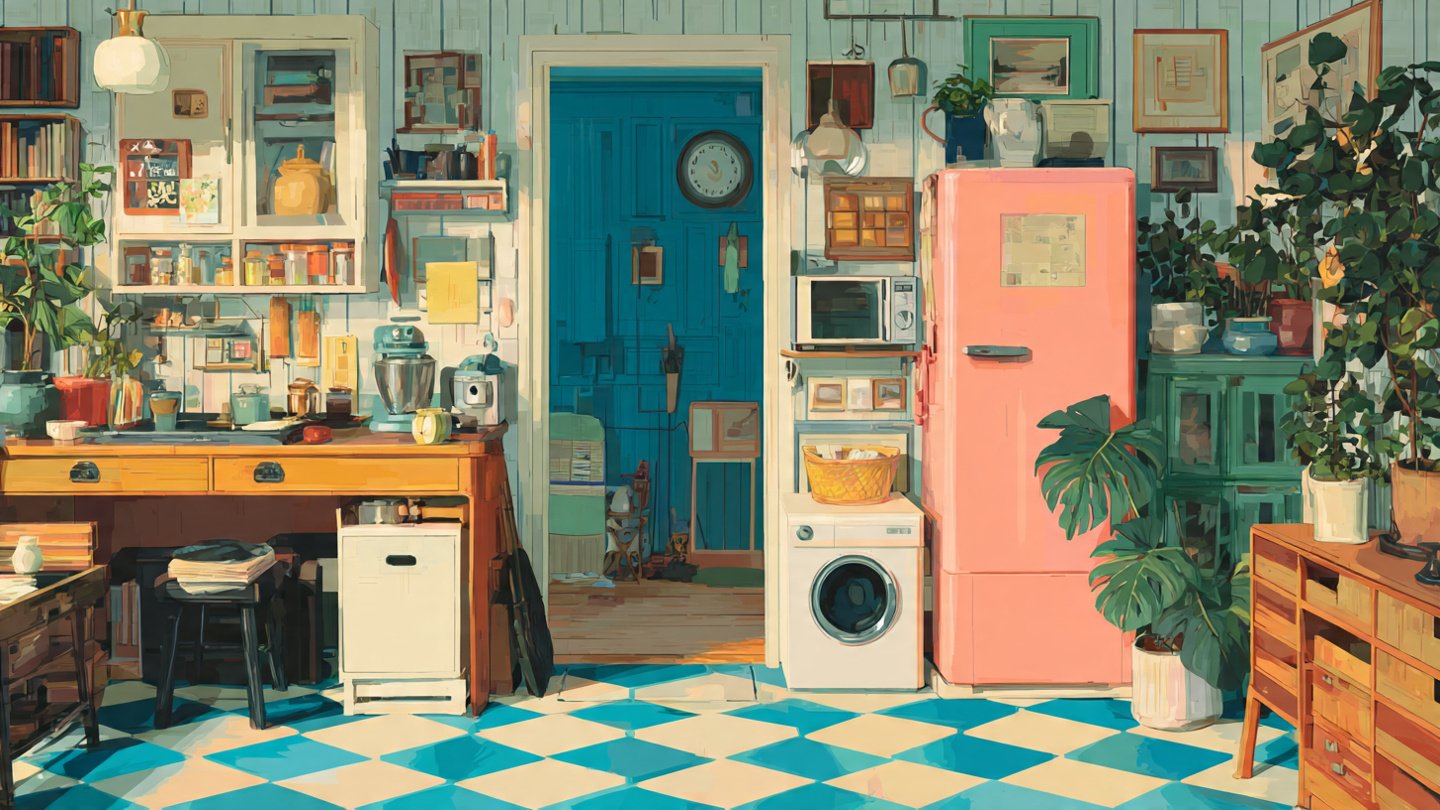

In a world dominated by fast-paced lives, clutter has become a common side effect of our busy schedules. However, many people yearn for tidy homes that radiate peace and tranquility. The hidden order behind tidy homes is not merely about aesthetics; it intertwines with psychology, efficiency, and emotional well-being. This article will explore the principles behind maintaining an orderly home, offering insights and practical guidelines to help you discover a sense of calm and control.
The Psychology of Clutter
Before diving into the strategies for achieving a tidy home, it’s essential to understand the psychological implications of clutter. Studies have shown that physical clutter can adversely affect mental clarity and emotional stability. A chaotic environment can lead to increased stress levels, decreased productivity, and feelings of anxiety.
On the other hand, a tidy home can foster a sense of control and promote relaxation. Research indicates that individuals in neat environments tend to have improved focus and decreased stress. Therefore, an orderly living space is not just visually appealing; it plays a crucial role in enhancing our mental well-being.
Principles of Order
1. Decluttering: The Foundation of Tidiness
The first step toward achieving a tidy home starts with decluttering. This principle involves letting go of items that no longer serve a purpose, evoke joy, or hold significant value. The popular KonMari method, developed by Marie Kondo, emphasizes the importance of surrounding oneself with items that spark joy.
To begin decluttering:
- Set aside dedicated time for decluttering each room.
- Sorting items into three categories: keep, donate/sell, and discard.
- Consider the emotional attachment to each item and why it’s worth keeping.
- Take before and after photos to visualize progress.
2. Organizing: Creating a Logical System
Once the decluttering process is complete, the next step is to organize the remaining items systematically. This not only makes it easier to locate things but also contributes to maintaining a neat appearance. Consider the following strategies:
- Zoning: Create specific zones for different activities (e.g., a reading nook, a crafting space).
- Vertical space: Use shelves and wall hooks to maximize storage without compromising floor space.
- Labeling: Use labels for boxes and storage containers to easily identify contents.
- Regular maintenance: Schedule weekly or monthly check-ins to keep clutter at bay.
3. Minimalism: Embracing Simplicity
Minimalism is more than a design trend; it’s a lifestyle choice that can lead to a more peaceful home environment. Adopting a minimalist approach encourages individuals to prioritize quality over quantity. This doesn’t mean living in an empty space; rather, it involves creating a home that reflects personal values and aesthetics.
Here are a few minimalist principles to consider:
- Invest in multi-functional furniture to save space.
- Curate decorative items that hold personal significance.
- Focus on a neutral color palette to create an understated elegance.
- Evaluate daily items to determine their necessity.
Enhancing Productivity and Well-Being
Creating a Functional Workspace
An orderly home contributes significantly to productivity, particularly when it comes to designated workspaces. A cluttered desk can distract from tasks, leading to decreased focus. Establishing a dedicated workspace promotes both efficiency and creativity.
To create a productive workspace:
- Remove non-essential items from your desk.
- Use desk organizers to keep supplies easily accessible.
- Incorporate plants for an inviting atmosphere and improved air quality.
Encouraging Family Involvement
Maintaining a tidy home is an ongoing process that can involve every family member. Encouraging collaboration helps create a sense of responsibility and ownership among all household members. This can lead to a lasting culture of tidiness.
Consider implementing family routines:
- Set a regular ‘tidy-up’ time where everyone pitches in.
- Assign specific chores or areas of the home to each person.
- Celebrate successes together by acknowledging efforts.
Exploring the Emotional Impact of a Tidy Home
Tidy homes provide emotional comfort and a safe space to unwind. A well-organized environment enhances feelings of calmness and control, allowing individuals to concentrate on other aspects of life without the distraction of clutter. The serene environment can serve as a backdrop for relaxation, creativity, and connection with others.
Moreover, a tidy home can positively influence creativity. Artists and writers, in particular, often require clarity to spark inspiration. A clutter-free space can lead to clearer thinking and foster a creative flow.
Conclusion
Discovering the hidden order behind tidy homes involves a blend of practical strategies, psychological insights, and emotional considerations. By embracing principles such as decluttering, organizing efficiently, and adopting a minimalist approach, individuals can create spaces that are not only visually appealing but also enhance their overall well-being and productivity. A tidy home is a sanctuary that promotes mental clarity, emotional stability, and a heightened sense of control in a chaotic world.
Frequently Asked Questions (FAQs)
1. How often should I declutter my home?
It’s ideal to declutter seasonally, but regular check-ins at least once a month can help maintain order. Tailor the schedule to your lifestyle and identify the frequency that works best for you.
2. What is the best way to start organizing my home?
Start small by organizing one room or area at a time. Focus on decluttering first, then implement organizing strategies gradually.
3. Can a tidy home really reduce stress?
Yes, a tidy home can significantly reduce feelings of stress and anxiety. A clutter-free environment promotes mental clarity and relaxation.
4. Do I have to be a minimalist to have a tidy home?
No, minimalism is a choice. You can maintain a tidy home with various styles. Adopting some minimalist principles may help, but ultimately, it’s about what works for you.
5. How can I involve my family in keeping the home tidy?
Create a shared responsibility system where each family member has specific chores. Set a regular time for family cleaning sessions and make it a fun activity.