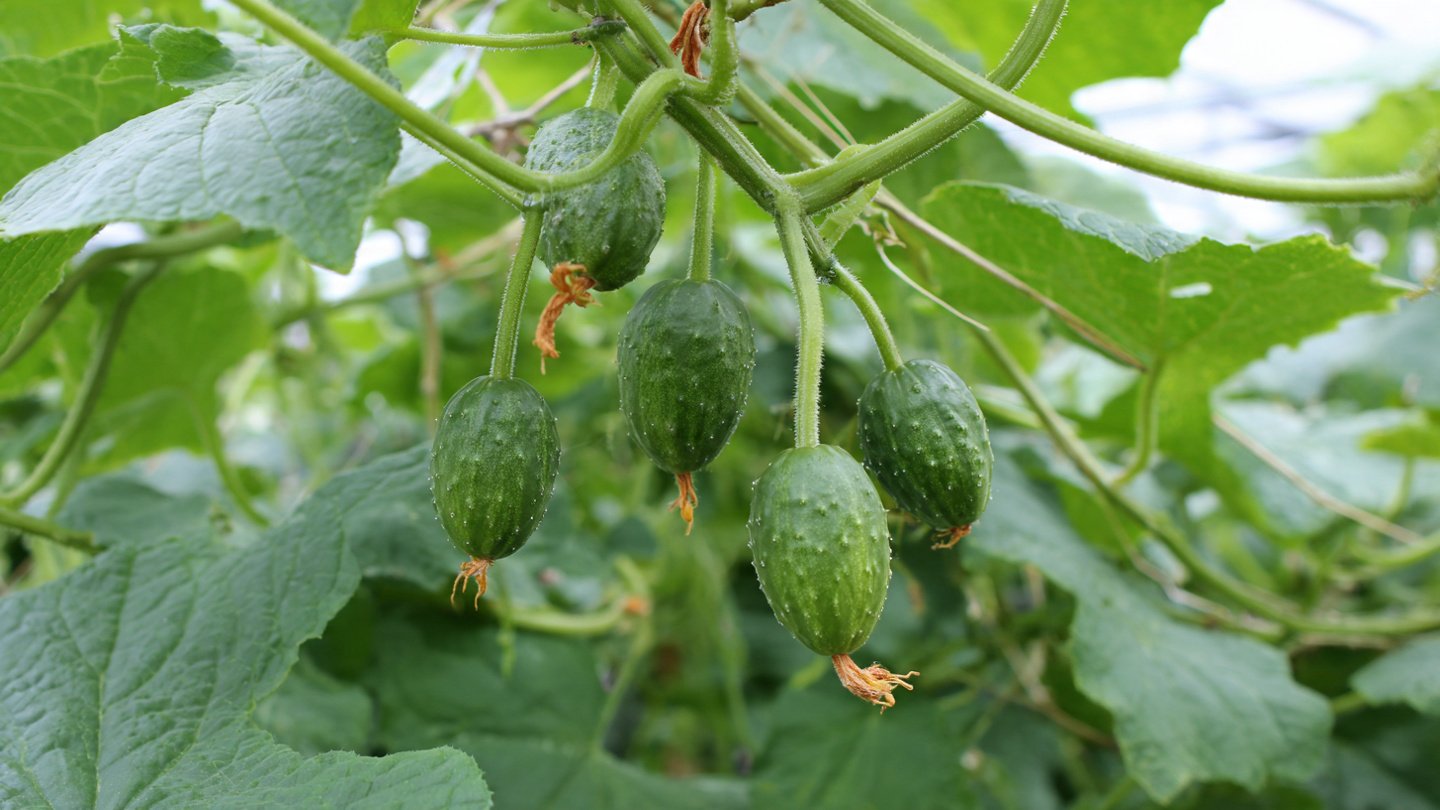

Cucumbers are a cherished vegetable garden crop, known for their refreshing taste and crisp texture. Enjoyed in salads, sandwiches, and even as a hydrating snack, cucumbers are a versatile ingredient in many kitchen recipes. However, one common issue gardeners encounter is the bitter flavor that can sometimes afflict their homegrown cucumbers. This article will delve into simple methods to cultivate cucumber plants with minimal bitterness, ensuring a delicious harvest.
Understanding Bitterness in Cucumbers
Bitterness in cucumbers is primarily caused by compounds known as cucurbitacins. These compounds are produced by the cucumber plant as a defense mechanism against pests and diseases. While some bitterness is natural, excessive bitterness can render cucumbers unpalatable. Understanding what causes this bitterness is the first step toward preventing it.
Factors Influencing Bitterness
- Environmental Stress: Extreme temperatures, whether too hot or too cold, can lead to higher cucurbitacin production.
- Watering Issues: Inconsistent watering—either too much or too little—can stress the plant and contribute to bitterness.
- Nutrient Imbalances: Insufficient or excessive fertilizer can affect the growth and flavor profile of cucumbers.
- Variety Selection: Some cucumber varieties are inherently more bitter than others. Choosing the right variety can make a significant difference.
- Overripeness: Leaving cucumbers on the vine for too long can also lead to bitterness as the cucurbitacin levels increase.
Understanding the factors behind cucumber bitterness can help gardeners take proactive steps to assure a sweeter harvest.
Steps to Grow Sweet, Non-Bitter Cucumbers
Now that we understand what causes bitterness in cucumbers, let’s discuss a systematic approach to ensure a sweet and delicious yield.
Step 1: Selecting the Right Variety
Choosing the right cucumber variety can significantly influence flavor.
- Slicing Cucumbers: Select varieties known for their mild taste, such as ‘English’ cucumbers or ‘Lemon’ cucumbers, which are typically bred for sweetness.
- Pickling Cucumbers: Varieties like ‘National Pickling’ are favored for their crunch and less bitter flavor profile.
Researching and selecting varieties adapted to your growing conditions will establish a solid foundation for your cucumber crop.
Step 2: Soil Preparation
Healthy soil is crucial for growing flavorful cucumbers. Follow these guidelines:
- Choose the Right Location: Cucumbers thrive in full sun (at least 6 to 8 hours per day). A sunny position can help reduce bitterness.
- Soil Testing: Conduct a soil test to determine pH and nutrient levels. Cucumbers prefer slightly acidic to neutral pH (around 6.0 to 7.0).
- Amend the Soil: Enrich garden soil with organic matter such as compost, aged manure, or well-rotted leaves to enhance fertility and water retention.
Step 3: Watering Consistently
Consistent moisture is vital for cucumbers. Here’s how to maintain proper watering:
- Irrigation Schedule: Water your cucumber plants deeply once a week, ensuring that the soil is moist but not waterlogged. During hot, dry spells, you may need to increase frequency.
- Mulching: Apply a layer of organic mulch around the plants to help retain soil moisture, suppress weeds, and regulate soil temperature.
Step 4: Fertilizing Wisely
When it comes to fertilizers, moderation is key. Follow these practices:
- Balanced Fertilizers: Use a balanced fertilizer (such as a 10-10-10 NPK) to cover all necessary nutrients.
- Avoid Over-Fertilizing: Excessive nitrogen can lead to vigorous leaf growth at the expense of fruit flavor. Focus on using organic fertilizers, which release nutrients more slowly.
Step 5: Pest and Disease Management
Healthy plants are less likely to produce bitter cucumbers. Implementing good pest and disease management practices is essential:
- Regular Inspection: Check plants for pests like aphids and cucumber beetles; they can stress the plant and disrupt growth.
- Companion Planting: Planting flowers or herbs that attract beneficial insects can help manage pests naturally.
Step 6: Harvesting at the Right Time
Timing your harvest can affect the taste and quality of your cucumbers:
- Harvesting Size: Aim to pick cucumbers when they are firm and green, typically between 6 to 8 inches long for slicing varieties. Overripe cucumbers are more likely to be bitter, so check daily.
- Gentle Handling: Handle cucumbers carefully to avoid bruising, which can cause bitterness.
Step 7: Post-Harvest Care
The way you handle and store cucumbers post-harvest can also affect their flavor. Here are some tips:
- Immediate Cooling: Cool cucumbers as soon as possible after harvesting by placing them in a cool, shaded area or in the refrigerator.
- Moisture Management: Store cucumbers in a high-humidity environment to maintain crispness and flavor.
Additional Tips for Growing Sweet Cucumbers
- Rotate Crops: Practice crop rotation to prevent soil-borne diseases and reduce pest populations.
- Control Temperature Fluctuations: Use row covers or cloches in early spring to protect young plants from late frosts.
- Utilize Shade: During extreme heat waves, consider providing some shade to prevent stress-induced bitterness.
FAQs About Growing Non-Bitter Cucumbers
Q1: Why are my cucumbers still bitter despite following all the guidelines?
While these steps are effective, individual plants may still produce bitter cucumbers due to unexpected environmental stress or inherent genetic traits. It’s also possible that specific local growing conditions (like irregular weather patterns) could affect the plants.
Q2: Can I cut the bitter part off my cucumbers?
Yes! If you encounter bitterness, you can cut off the ends of the cucumber, where bitterness often concentrates. However, it’s better to prevent bitterness by following good gardening practices.
Q3: Are all cucumber varieties prone to bitterness?
Not all varieties are equally susceptible to bitterness. Look for varieties specifically bred to be less bitter, such as those mentioned earlier.
Q4: Can the soil pH affect cucumber flavor?
Yes, soil pH can affect cucumber flavor. Aim for a slightly acidic to neutral pH to optimize nutrient availability and conditions for sweet cucumbers.
Q5: Is it necessary to use pesticides or herbicides for growing cucumbers?
Ideally, organic gardening practices minimize the need for synthetic pesticides. Focus on integrated pest management and natural solutions to ensure healthy cucumber plants.
Conclusion
Growing cucumbers free from bitterness is an achievable goal with proper planning and care. By selecting the right variety, providing a stable environment, and maintaining diligent care through watering, fertilization, and pest management, you can enjoy a delicious crop of sweet cucumbers. With some simple techniques and attention to detail, your homegrown cucumbers can be a true delight, enhancing your culinary creations all summer long. Happy gardening!