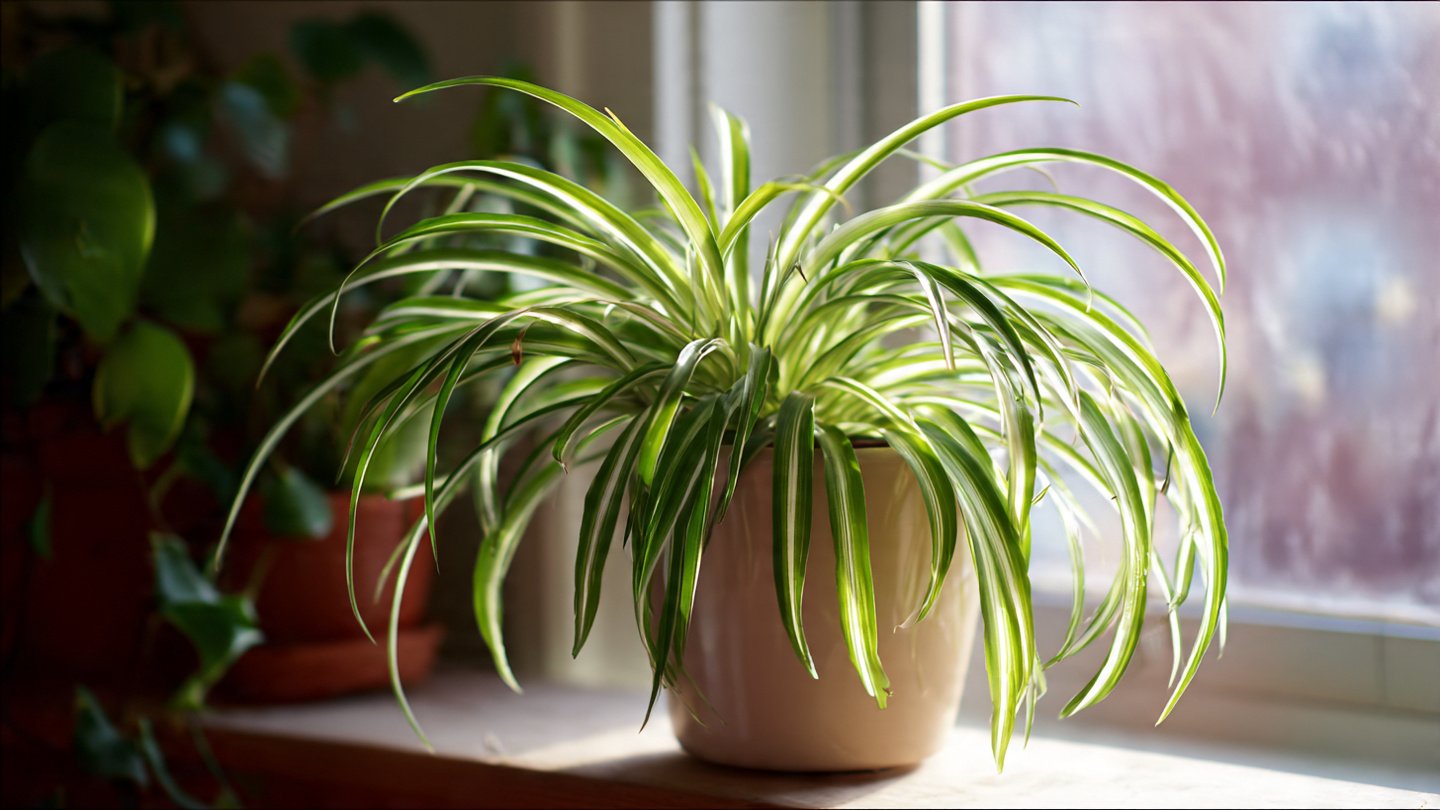

Spider plants (Chlorophytum comosum) are beloved houseplants, known for their striking foliage and air-purifying qualities. Their arching leaves, typically green with white stripes, can create an impressive, bushy appearance, making them ideal for homes and offices alike. However, to achieve a lush, full look, certain techniques and care methods must be employed. Below, we explore various strategies for cultivating a thriving spider plant.
Understanding the Spider Plant
Before delving into specific techniques for enhancing growth, it’s essential to understand what makes spider plants unique. Native to South Africa, these resilient plants thrive in various environments. They are non-toxic to pets and humans, making them a safe choice for households.
Growth Habits
Spider plants grow from a central rosette of leaves, producing offshoots (or “pups”) that can be propagated to create new plants. The primary growth period occurs during spring and summer, making this the ideal time to focus on care techniques.
Techniques for Encouraging Full and Bushy Growth
1. Optimize Light Conditions
Spider plants prefer bright, indirect sunlight. Too little light can lead to leggy growth, while direct sunlight can scorch their leaves. Position your plant near a window with filtered light or use sheer curtains to diffuse sunlight. If your plant starts to stretch toward the light source, it might need a repositioning.
Tips:
- Rotate your plant every few weeks to ensure even light exposure.
- If natural light is limited, consider using a grow light for 12-16 hours a day to simulate optimal conditions.
2. Proper Watering Techniques
Spider plants prefer to dry out a bit between waterings. Overwatering can lead to root rot, while under-watering can cause stress and stunt growth. Here’s how to strike a balance:
Guidelines:
- Water your spider plant when the top inch of soil feels dry.
- Use room-temperature water, as cold water can shock the roots.
- Ensure pots have drainage holes to allow excess water to escape.
3. Ideal Soil Blend
The right soil can dramatically affect your spider plant’s growth. A well-draining potting mix is key. A blend that includes peat moss, perlite, and vermiculite will provide adequate drainage while retaining some moisture.
Recommendations:
- Consider using a cactus mix or a standard potting mix amended with perlite.
- Repot every couple of years to refresh the soil and prevent compaction.
4. Fertilization Strategy
Fertilizing your spider plant appropriately can stimulate fuller growth. Use a balanced water-soluble fertilizer during the growing season (spring and summer) every month.
Tips:
- Dilute the fertilizer to half strength to avoid burning the roots.
- Cease fertilization during the fall and winter when the plant’s growth slows.
5. Pruning for Fuller Growth
Regular pruning encourages bushier growth by stimulating lateral branching. Removing dead or yellowing leaves not only keeps the plant looking tidy but also redirects energy to new growth.
Steps:
- Use sterile scissors to trim unhealthy leaves at their base.
- If your spider plant has grown tall and spindly, trim the tips of the longest leaves to encourage branching.
6. Propagation and Spacing
Encouraging pups to grow can enhance the bushiness of your spider plant. When a spider plant produces offshoots, they can either be left on the mother plant or propagated separately.
How to Propagate:
- Wait until the pups develop small roots.
- Cut the pup from the mother plant and plant it in its own pot with fresh soil.
- Propagation should ideally occur in late spring or summer for the best results.
7. Temperature and Humidity
Spider plants thrive in environments with temperatures ranging from 60°F to 75°F (15°C to 24°C). They appreciate humidity but can tolerate average household levels.
Suggestions:
- Keep your plant away from drafts, heaters, and air conditioning vents.
- If the air is particularly dry, consider placing a humidifier nearby or misting your spider plant occasionally.
8. Pest Control
Pests like spider mites and aphids can hinder growth. Keep a close eye on your plant for signs of infestation.
Prevention and Treatment:
- Wipe the leaves with a damp cloth to remove dust and potential pests.
- Use insecticidal soap or neem oil if you notice an infestation.
Additional Techniques for Encouraging Growth
9. Seasonal Care Adjustments
Adjusting care based on seasonal changes is vital for maintaining healthy growth. For instance:
- In the spring, increase watering as the plant resumes growth.
- In the fall, reduce watering and stop fertilization to mimic the plant’s natural dormancy period.
10. Environmental Considerations
Pay attention to your spider plant’s surroundings. A highly-stressed environment, such as too much movement or noise, can affect growth.
Tips:
- Position your spider plant in a serene area where it can thrive undisturbed.
11. Repotting
Repot your spider plant when it becomes root-bound—typically every 1-2 years. Choose a pot that is 1-2 inches larger in diameter than the current one.
Steps:
- Remove the plant from its pot gently to avoid damaging the roots.
- Refresh the soil and check for any root rot that may need addressing.
12. Encourage Lateral Growth
To promote bushiness, you can gently pinch back the leaf tips. This encourages the plant to focus energy on side growth instead of upward.
FAQs
1. How often should I water my spider plant?
Water when the top inch of soil is dry. This typically translates to every 1-2 weeks, depending on environmental conditions.
2. What kind of fertilizer should I use?
Use a balanced water-soluble fertilizer during the growing season. Dilute to half strength to prevent root burn.
3. Can I grow spider plants indoors?
Yes! Spider plants are excellent indoor plants due to their adaptability and air-purifying qualities.
4. Why are my spider plant’s leaves turning yellow?
Yellowing leaves can be a sign of overwatering or poor lighting conditions. Check the soil moisture and light exposure.
5. How do I propagate spider plants?
Cut the offshoot pups with small roots from the mother plant and place them in a pot with fresh soil. Water them lightly until established.
6. What pests are common with spider plants?
Spider mites and aphids are common pests. Ensure to inspect your plant regularly and treat infestations promptly.
7. Can I keep my spider plant outside?
Yes, during warm months, spider plants can thrive outdoors in partial shade. Bring them inside before the first frost.
Conclusion
By employing these techniques for caring for your spider plant, you can encourage full, bushy growth and enjoy the aesthetic and air-purifying benefits it offers. Regular attention to watering, light, and overall care can transform a modest plant into a gorgeous indoor display. Happy growing!