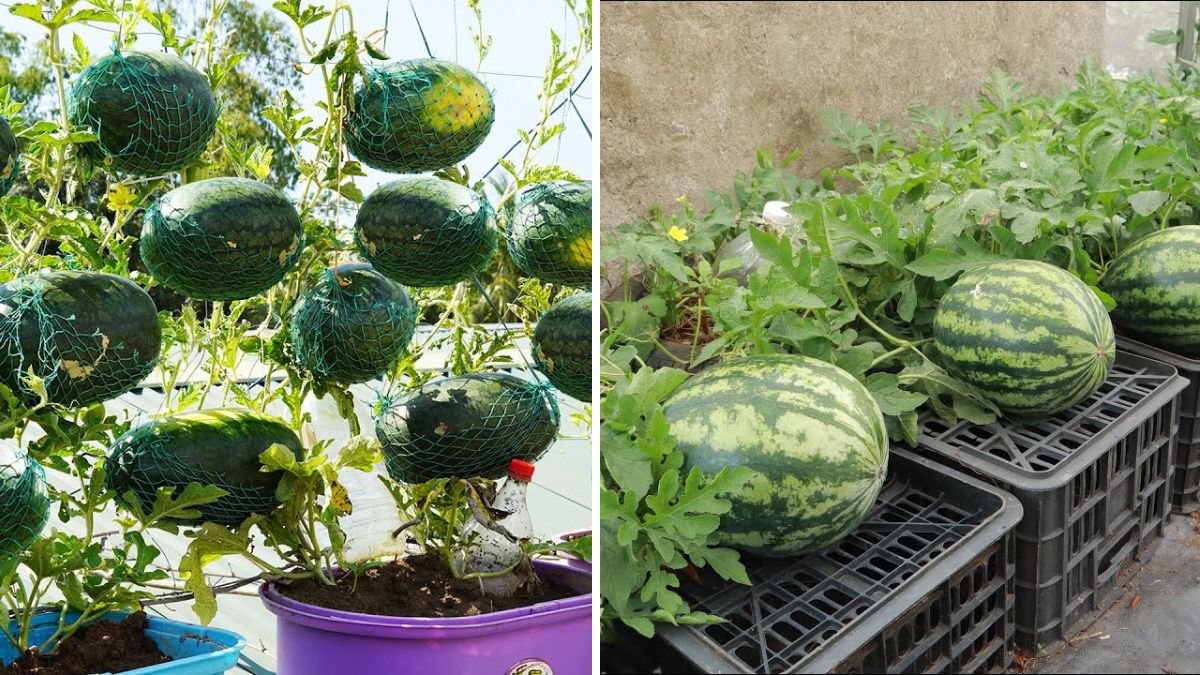

Few fruits are as loved during summer as watermelons. Sweet, juicy, and refreshing, they are a staple in households around the world. But growing large, flavorful watermelons at home can feel like a challenge. Many gardeners end up with small, tasteless fruits despite putting in a lot of effort.
What if there was a secret technique that ensures your homegrown watermelons are big, sweet, and healthy, without complex gardening skills or expensive fertilizers? Surprisingly, there is—and most people don’t know about it.
In this comprehensive guide, you’ll discover the little-known secret to growing watermelons that are not only bigger than store-bought ones but also incredibly sweet. Plus, we’ll cover all the steps from planting to harvesting to help you achieve maximum yield and flavor in your backyard, balcony garden, or rooftop setup.
Why Most Watermelons Fail at Home
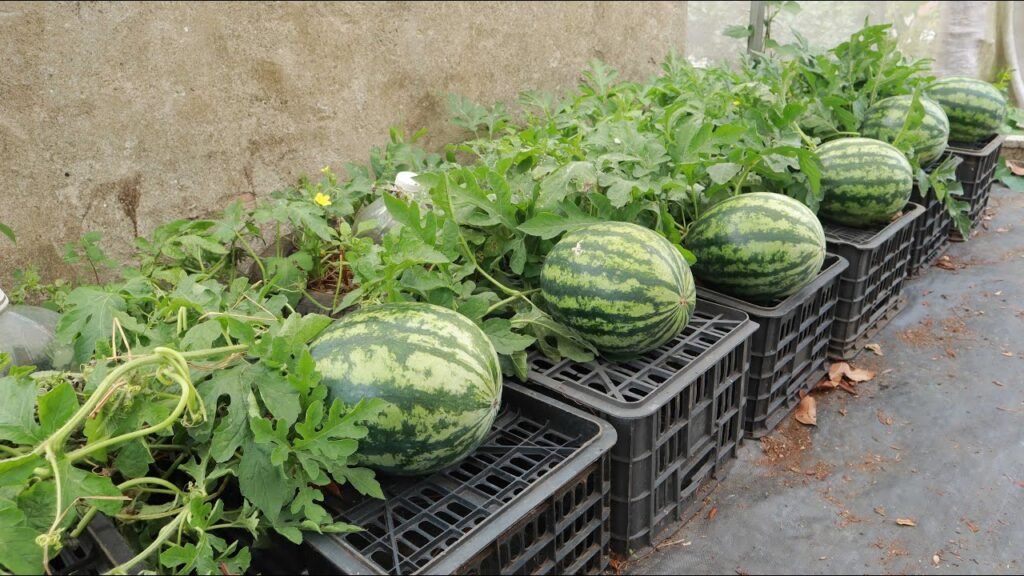
Before revealing the secret, it’s important to understand why many homegrown watermelons end up small or bland:
- Poor soil nutrition – Watermelons are heavy feeders; weak soil produces small fruits.
- Incorrect watering – Either too little or too much water reduces sweetness and size.
- Overcrowding – Watermelon vines need space to grow large leaves and support heavy fruits.
- Pollination issues – Without proper pollination, fruits remain tiny or underdeveloped.
- Ignoring sunlight – Watermelons require full sun for sugar development.
The good news is that these problems can be easily overcome with a few key techniques.
The Secret to Big, Sweet Watermelons
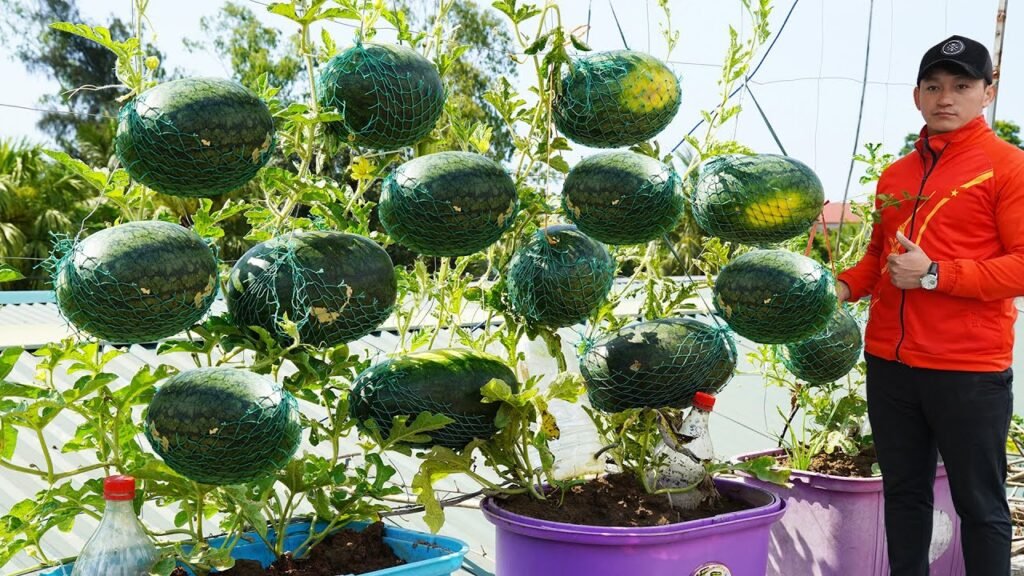
The secret to growing large, flavorful watermelons lies in three main factors:
1. Nutrient-Rich Soil
Watermelons need loose, fertile, and well-draining soil. Adding compost, manure, or organic fertilizer at the planting stage ensures the roots absorb all necessary nutrients.
2. Pruning and Vine Management
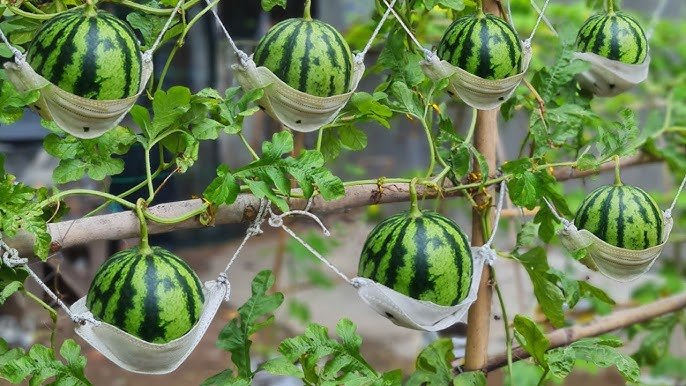
Unlike other fruits, watermelon vines can sprawl endlessly. If you allow all vines and fruits to grow without care, the plant’s energy spreads thin, resulting in small, tasteless watermelons. Focusing the plant’s energy on 2–3 main fruits per vine produces larger, sweeter fruits.
3. Watering and Sunlight Balance
Watermelons develop their sugar content best when:
- Roots are consistently moist, but not waterlogged
- The fruits get full sun during the day
- Watering is reduced slightly before harvest to concentrate sweetness
These three techniques are what professional growers use—but home gardeners can also easily apply them.
Step 1: Choosing the Right Variety
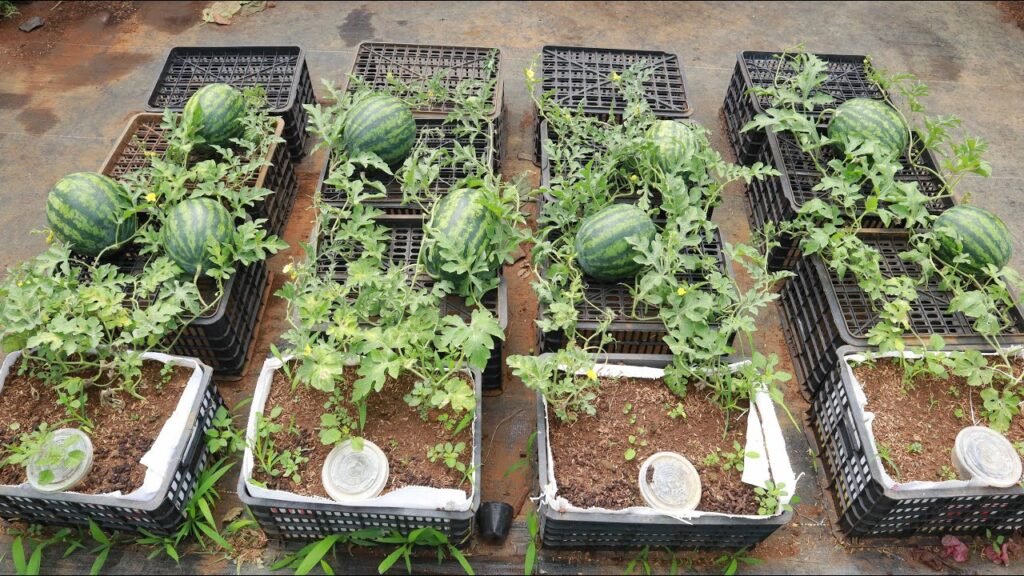
Watermelons come in many varieties—small, seedless, round, or elongated. For homegrown giant sweet fruits, choose:
- Sugar Baby – Small-to-medium but intensely sweet
- Charleston Gray – Large, reliable fruits
- Crimson Sweet – Sweet, juicy, and popular
- Jubilee – Very large fruits suitable for backyard planting
Selecting the right variety sets the foundation for a successful harvest.
Step 2: Preparing the Planting Area
Watermelons need plenty of sunlight and space. If you have a garden:
- Choose a spot that receives 6–8 hours of full sun daily.
- Prepare mounds or raised beds for better drainage.
- Mix compost, well-rotted manure, and sand into the soil to loosen it.
If you’re planting in containers (for balcony or rooftop gardens):
- Use large tubs or grow bags
- Ensure drainage holes to prevent root rot
- Fill with a nutrient-rich soil mix
Step 3: Planting Watermelon Seeds or Seedlings
For seeds:
- Soak seeds overnight to improve germination.
- Plant 2–3 seeds per mound or container, 2–3 cm deep.
- Thin to the strongest seedling after 2–3 weeks.
For seedlings:
- Gently transplant them into nutrient-rich soil
- Water immediately after transplanting
Step 4: Watering Techniques for Sweetness
Proper watering is crucial for size and flavor.
Best Practices
- Water deeply once or twice a week instead of frequent shallow watering
- Keep soil consistently moist during vine growth
- Reduce watering 2–3 weeks before harvest to concentrate sugars in the fruit
Avoid overwatering—waterlogged soil reduces sweetness and can cause root diseases.
Step 5: Fertilization for Maximum Growth
Watermelons are heavy feeders. Proper feeding produces healthy vines and large fruits.
Organic Fertilizer Options
- Compost or vermicompost
- Well-rotted cow or chicken manure
- Bone meal for phosphorus
- Wood ash for potassium
Application Schedule
- At planting: mix compost and manure into the soil
- During growth: top-dress with organic fertilizer every 3–4 weeks
- When flowers appear: apply potassium-rich fertilizers to improve fruit size and sweetness
Step 6: Pruning for Bigger Fruits
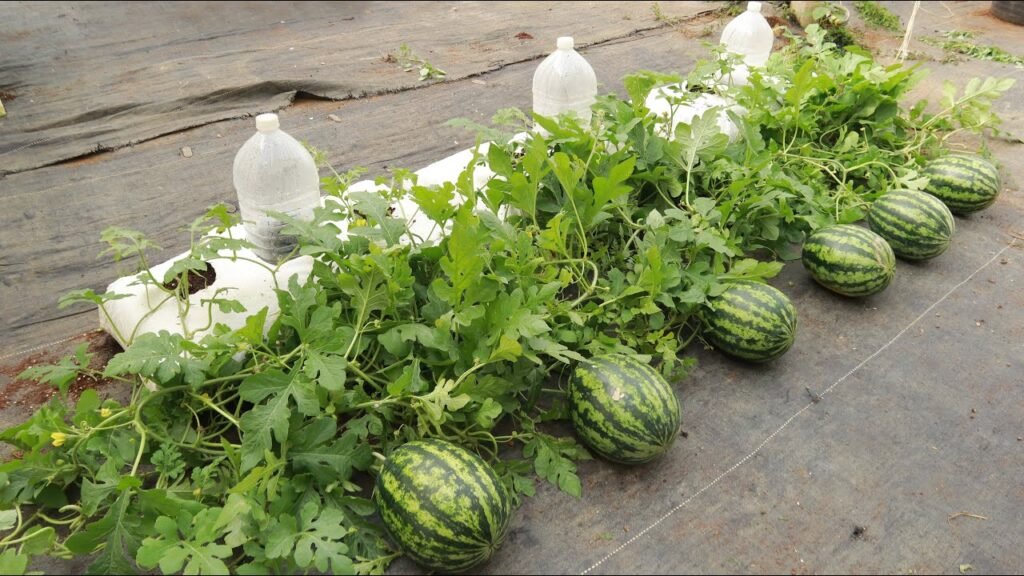
Most home gardeners let all vines and flowers grow, spreading the plant’s energy too thin.
Pruning Tips
- Identify the main vine and let it produce 2–3 fruits only
- Remove secondary vines and excess flowers
- Keep leaves around the fruit for photosynthesis
This ensures the plant concentrates energy on fewer, larger, sweeter watermelons.
Step 7: Ensuring Proper Pollination
Watermelon fruits need proper pollination to grow large.
- Encourage bees and insects by planting flowers nearby
- You can hand-pollinate using a small brush to transfer pollen
- Poor pollination leads to tiny, misshapen fruits
Pollination is critical for both size and sweetness.
Step 8: Pest and Disease Management
Watermelons can face pests like:
- Aphids
- Fruit flies
- Red spider mites
And diseases like powdery mildew or fusarium wilt.
Prevention
- Keep the area clean
- Ensure proper spacing and airflow
- Use neem oil or organic sprays if necessary
Healthy plants naturally produce bigger and sweeter fruits.
Step 9: Harvesting at the Perfect Time
Knowing when to harvest is the final step in achieving sweet, juicy watermelons.
Signs Your Watermelon is Ready
- The fruit’s skin color changes from shiny to dull
- The underside where it touches the soil turns yellow
- The tendril closest to the fruit dries and turns brown
- A hollow sound when tapped
Harvesting too early reduces sweetness; harvesting too late risks over-ripening.
Step 10: Storage and Enjoyment
Watermelons can be stored at room temperature for a few days or in the fridge for longer periods.
Cut and serve fresh, or enjoy in smoothies, salads, or desserts. Nothing compares to a homegrown, sweet, juicy watermelon in summer.
Pro Tips for Maximum Sweetness
- Sunlight is key – 8 hours a day produces maximum sugar.
- Mulch around the base – conserves moisture and keeps soil warm.
- Do not overwater near harvest – concentrates sugars.
- Use organic fertilizers only – avoids chemical taste.
- Space plants generously – big vines need room to spread.
Why This Method Works
By combining fertile soil, proper watering, pruning, pollination, and timing, you’re mimicking how professional watermelon growers produce giant, sweet fruits—but in a simple home setup. This is the little-known secret few gardeners practice at home.
Final Thoughts
Growing big, sweet watermelons at home is not only possible—it’s easy once you follow the right steps. The secret lies in concentrating the plant’s energy on fewer fruits, feeding them properly, providing sunlight, and managing water wisely.
Even beginners can achieve record-breaking harvests with this method. By paying attention to these key points, you’ll enjoy juicy, large watermelons that taste better than anything from the market, and all from your own backyard or balcony garden.