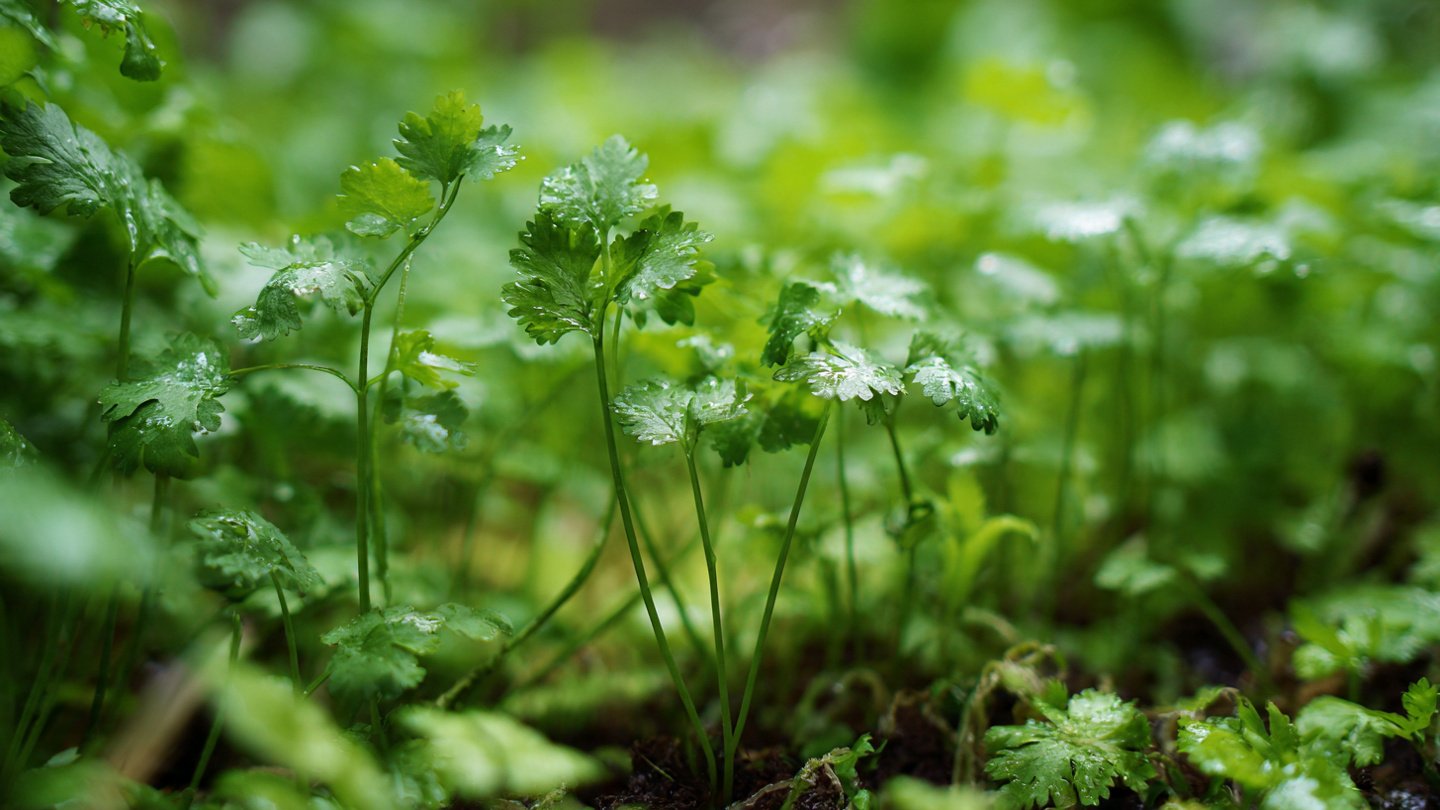

Coriander (Coriandrum sativum), also known as cilantro, is a popular herb known for its distinct flavor and aroma. It’s a staple in many cuisines worldwide, ranging from Indian to Mexican. However, coriander can be tricky to grow, especially when it comes to germinating seeds. This article will explore the most effective strategies for achieving rapid germination of coriander seeds, ensuring a thriving herb garden.
Understanding Coriander Seeds
Coriander seeds are actually the dried fruits of the coriander plant. Unlike many seeds, they have a hard outer shell, which can delay germination. Understanding the biology of coriander seeds is crucial for knowing the best methods to accelerate their sprouting.
Seed Selection
The first step toward successful germination starts with choosing healthy seeds. Look for:
- Quality Seeds: Purchase seeds from a reputable supplier. Organic seeds are often fresher and more reliable.
- Freshness: Check the packaging date; seeds older than a year may have lower germination rates.
- Varietals: There are various types of coriander, such as slow-bolting varieties. Choose the one best suited for your climate.
Preparing the Soil
Soil preparation plays a critical role in seed germination. Healthy soil promotes strong root growth and nutrient absorption, leading to quicker germination.
Soil Type
Coriander thrives in well-draining, loamy soils. Here are a few key points:
- pH Level: Aim for a soil pH of around 6.0 to 7.0. You can test your soil using DIY kits available at garden centers.
- Organic Matter: Mix in compost or well-rotted manure to enhance the soil’s nutrient profile.
- Drainage: Ensure the soil allows excess water to escape to prevent rot.
Soil Preparation Steps
- Loosen the Soil: Use a garden fork to break up compacted soil.
- Amend the Soil: Mix in organic matter and test pH.
- Level the Soil: Rake it evenly to prepare for planting.
Seed Pre-Treatment
To enhance germination speed, consider pre-treating your coriander seeds.
Scarification
Coriander seeds have a hard outer shell that can slow germination. Scarifying the seeds involves nicking the seed coat with a sharp knife or rubbing them between sandpaper. This process allows water to penetrate more easily.
Soaking
Soaking seeds in water can also expedite germination. Follow these steps:
- Soak: Place seeds in room temperature water for 12-24 hours.
- Drain: After soaking, drain the seeds and let them dry for about an hour. They should still be moist but not overly wet.
Chilling (Stratification)
Coriander seeds can benefit from a chilling period. Wrap the soaked seeds in a damp paper towel and place them in a plastic bag in the refrigerator for 24-48 hours. This mimics a natural winter season, signaling to the seeds that it’s time to germinate.
Planting the Seeds
The method of planting is crucial for achieving rapid germination.
Direct Sowing
Coriander seeds can be directly sown into the prepared garden bed. Here’s how:
- Spacing: Sow seeds about 1 inch apart, covering them with half an inch of soil.
- Watering: Gently water the area to avoid displacing seeds.
- Mulch: Apply a thin layer of mulch to retain moisture and regulate temperature.
Indoor Sowing
If you live in a colder climate, consider starting seeds indoors:
- Containers: Use seed trays or pots with drainage holes.
- Soil: Fill with a high-quality seed-starting mix.
- Temperature: Maintain a temperature of 70-75°F (21-24°C) for optimal germination.
- Light: Once seedlings emerge, provide plenty of light—either natural or through grow lamps.
Watering
Correct watering practices are vital for rapid germination.
Initial Watering
After sowing, water the seeds gently to provide adequate moisture without washing them away.
Ongoing Care
- Moisture Level: Keep the soil consistently moist but not soggy. Overwatering can drown seeds and lead to rot.
- Watering Schedule: Check the soil daily and water lightly if it begins to dry out.
Temperature and Sunlight
Coriander seeds thrive in warm conditions.
Ideal Temperature
The ideal germination temperature for coriander seeds is between 60°F to 75°F (16°C to 24°C). If your environment is cooler, consider using heat mats to provide consistent warmth.
Sunlight Requirements
Once seeds germinate, they need plenty of light. Coriander prefers full sun but can tolerate partial shade, especially in hotter climates. If growing indoors, ensure seedlings get at least 12-16 hours of light per day.
Pest and Disease Management
Maintaining a healthy garden environment is crucial for rapid seed germination.
Common Pests
Coriander can attract pests such as aphids and caterpillars. Monitor your plants regularly and remove any pests by hand or use organic pesticides when necessary.
Diseases
Overmoisture can lead to fungal diseases. Ensure good air circulation and avoid overhead watering to minimize the risk of disease.
Fertilization
While coriander doesn’t require heavy feeding, a little nourishment can promote better growth.
- Organic Fertilizers: Use compost tea or liquid seaweed to provide nutrients without overwhelming the plants.
- Timing: Fertilize once or twice during the growing season, especially if your soil is nutrient-poor.
Harvesting
Once your coriander has matured, it’s essential to harvest the leaves and seeds correctly.
Leaf Harvesting
- Timing: Begin harvesting leaves when the plant reaches about 6 inches in height. Regular harvesting encourages bushier growth.
- Technique: Snip leaves with scissors, leaving a few inches of the plant to regrow.
Seed Harvesting
If you want to save seeds, allow the plant to flower and produce seeds:
- Timing: Wait until the seeds turn brown and begin to dry.
- Collection: Cut the stems and place them in a paper bag. Shake the bag to release the seeds, and store them in a cool, dry place for future planting.
Conclusion
Achieving rapid germination of coriander seeds is a blend of the right techniques and environmental conditions. From soil preparation to watering and pest management, every step plays a crucial role in nurturing your herb garden. By applying these strategies, you can grow an abundant crop of coriander, ensuring you have fresh herbs for your culinary experiments.
FAQs
1. How long do coriander seeds take to germinate?
Coriander seeds typically take 7-14 days to germinate, depending on the environmental conditions.
2. Can I grow coriander indoors?
Yes, coriander can be grown indoors as long as it receives enough light and the right temperature.
3. What is the best time of year to plant coriander?
Coriander grows best in cooler weather, so it’s ideal to plant in early spring or fall.
4. Why are my coriander seeds not germinating?
Poor soil conditions, inadequate moisture, or old seeds may cause delay in germination.
5. How often should I water coriander seeds?
Keep the soil consistently moist, checking daily and watering lightly when it starts to dry.
6. How can I tell if coriander is ready to harvest?
Coriander leaves can be harvested when the plant is around 6 inches tall, while seeds are ready when they turn brown and dry.
By following these strategies, you’ll be well on your way to cultivating a vibrant and productive coriander herb garden. Enjoy the benefits of growing your own fresh herbs to enhance your culinary delights!