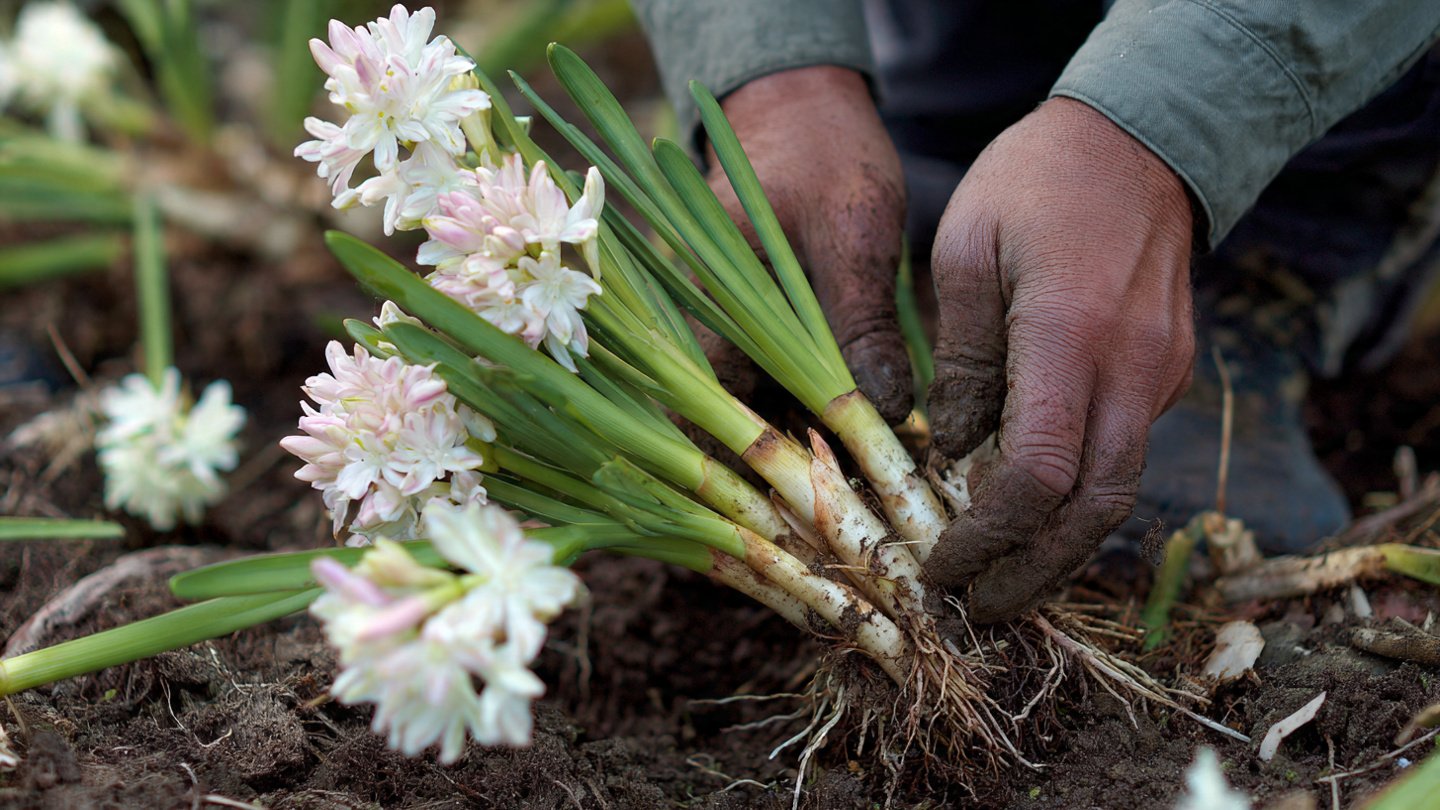

Tuberose (Polianthes tuberosa) is a fragrant flowering plant known for its stunning blooms and delightful scent. Originating from Mexico, this perennial plant is a favorite in gardens and landscaping, often used in bouquets and floral arrangements. If you’re considering adding tuberoses to your garden, understanding how to multiply their bulbs efficiently can enhance your gardening experience. This article will cover the best practices for efficiently multiplying tuberose bulbs at home, ensuring optimal growth and blooming.
Understanding Tuberose
Before we delve into the multiplication techniques, it’s essential to understand the basic characteristics of tuberose. The plant grows from tuberous bulbs and typically flowers in late summer to early fall, producing spikes adorned with aromatic white flowers. Tuberose bulbs can be grown in soil or containers and are usually planted in well-draining soil with full sunlight.
Benefits of Growing Tuberose Bulbs
- Aesthetic Appeal: The beautiful and fragrant flowers enhance any garden or landscape.
- Cut Flowers: Tuberoses are popular in floristry, making them a profitable choice for growers.
- Easy to Grow: With proper care, tuberoses can thrive in various conditions.
- Attracts Pollinators: The sweet scent attracts bees and butterflies, enriching your garden’s ecosystem.
Best Practices for Multiplying Tuberose Bulbs
Multiplying tuberose bulbs can be done through several methods: division, offsets, and seed propagation. Each method has its nuances, and herein lie the best practices for each.
1. Timing the Multiplication
Timing is crucial for successfully multiplying tuberose bulbs. The best time to divide tuberoses is in late winter or early spring when the bulbs are dormant but before new growth begins.
2. Choosing the Right Location
Tuberoses thrive in well-draining soil with full sun exposure. Select a spot in your garden that receives at least 6–8 hours of sunlight daily. If you’re using containers, ensure the pots have drainage holes.
3. Preparing the Soil
Soil Composition: Create a soil mix that promotes good drainage. A combination of potting soil, sand, and compost can work wonders. Here’s a recommended ratio:
- 50% potting soil
- 30% sand
- 20% compost
Soil pH: Tuberoses prefer a slightly acidic to neutral pH level of around 6.0 to 7.0.
4. Digging Up the Bulbs
When you’re ready to multiply your tuberoses through division or offsets:
- Watering: Ensure the soil is moist but not saturated before digging.
- Loosen the Soil: Use a spade or garden fork to gently loosen the soil around the bulbs.
- Carefully Remove: Lift the bulbs from the soil, taking care not to damage them. Gently shake off excess soil without removing the outer skin.
5. Dividing the Bulbs
If your tuberose bulbs have natural divisions or offsets, it’s beneficial to separate them:
- Examine the Bulbs: Look for smaller bulblets attached to the main bulb.
- Cutting Tools: Use a clean, sharp knife or pruners to separate the bulblets from the main bulb.
- Leave Intact: For healthy growth, ensure that each section has roots and a few healthy scales.
6. Replanting
Once you’ve divided the bulbs, it’s time to replant them:
- Depth: Dig holes about 4 to 6 inches deep, placing the bulbs with the pointed end facing up.
- Spacing: Space the bulbs about 6 to 12 inches apart to allow for ample growth.
- Covering: Fill in the holes with soil, gently packing it around the bulbs without compressing it too tightly.
7. Watering
Immediately after planting, water the bulbs thoroughly to settle the soil. After that, maintain a moderate watering schedule. Keep the soil consistently moist during the growth period but avoid waterlogging.
8. Fertilizing
To promote healthy growth and abundant blooms:
- Balanced Fertilizer: Use a balanced fertilizer (N-P-K ratio of 10-10-10) when new growth appears.
- Frequency: Fertilize every 4–6 weeks during the growing season, tapering off as the flowering period ends.
9. Caring for the Plants
Once the bulbs are in the ground, care for them efficiently:
- Weeding: Regularly remove weeds that compete for nutrients.
- Mulching: Apply a layer of organic mulch to retain moisture and suppress weeds.
- Pest Control: Watch for pests like aphids or spider mites, and treat them with insecticidal soap or neem oil if necessary.
10. Harvesting and Storing Bulbs
After your tuberoses have bloomed and the foliage has yellowed, it’s time to prepare for the next season:
- Harvesting: Carefully dig up the bulbs after the foliage has withered, usually in late fall.
- Drying: Allow the bulbs to dry in a cool, dark place for a week.
- Storage: Store the dried bulbs in a paper bag or breathable container in a cool, dark, and dry location.
FAQs
1. How long does it take for tuberose bulbs to bloom after planting?
Typically, tuberose bulbs will take around 90 to 120 days to bloom after planting, depending on growing conditions.
2. Can I plant tuberose bulbs in containers?
Yes, tuberose bulbs can thrive in containers. Make sure the pots are at least 12 inches deep and have drainage holes to prevent waterlogging.
3. Do tuberoses require special soil?
Tuberoses prefer well-draining soil. A mix of potting soil, sand, and compost helps provide the necessary drainage and nutrients.
4. How often should I water tuberose bulbs?
Water regularly, keeping the soil consistently moist but not soggy. Reduce watering as the plants go dormant in the fall.
5. Can I propagate tuberoses from seeds?
While you can propagate tuberoses from seeds, this method is less common and takes longer for the plants to mature and bloom. Bulb division is generally more efficient.
6. What pests should I watch for with tuberoses?
Common pests include aphids, spider mites, and bulb mites. Regularly inspect your plants and treat any infestations promptly.
7. Do tuberoses need full sun or partial shade?
Tuberoses thrive in full sun and require at least 6 to 8 hours of sunlight daily for optimal growth and flowering.
8. Can I leave tuberose bulbs in the ground over winter?
In USDA zones 9 and above, tuberose bulbs can be left in the ground. However, in colder zones, it’s best to dig them up and store them over winter.
Conclusion
Multiplying tuberose bulbs at home can be a rewarding and fragrant endeavor. By following these best practices— from timing and site selection to division and care —you can ensure healthy tuberoses that will bloom beautifully for years to come. With a bit of effort, you’ll create a stunning display of these aromatic flowers, enhancing your garden and enriching your overall gardening experience. Happy planting!