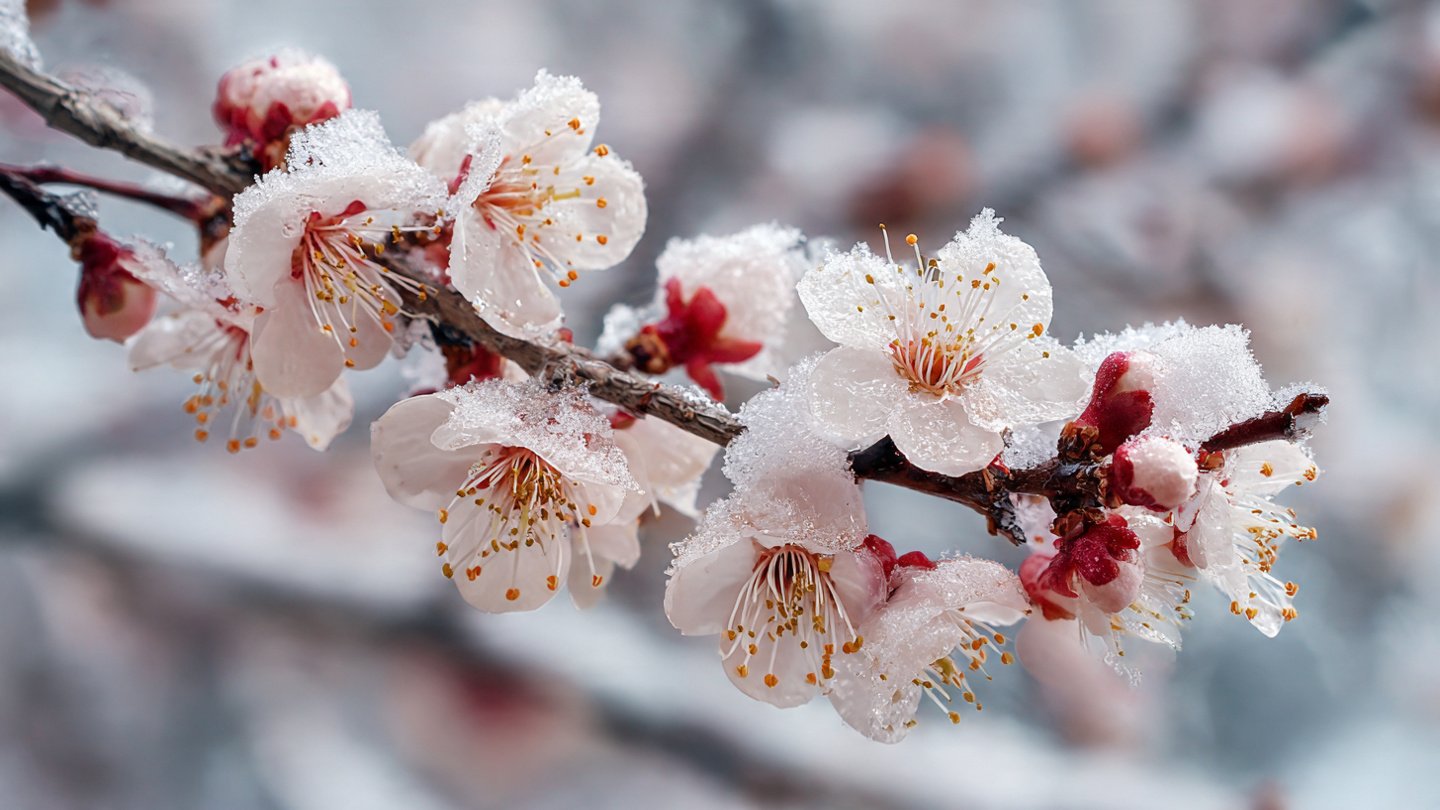

Apricot trees (Prunus armeniaca) are cherished for their delicious fruit, vibrant blossoms, and the beauty they bring to gardens in early spring. However, these delicate blossoms, typically emerging between late winter and early spring, are vulnerable to cold weather and frost, which can significantly impact yield. To ensure a fruitful harvest, it’s crucial to safeguard these blossoms against chilly temperatures. In this article, we will explore the best methods for protecting apricot blossoms from cold weather, while also addressing some frequently asked questions.
Understanding Apricot Blossom Vulnerability
Apricot blossoms begin to bloom when temperatures start to rise, often when the threat of frost is still prevalent. Typically, these blossoms appear in late February to March, depending on the climate. While these early blooms are a sign of the approaching spring, they are particularly vulnerable to late frost, which can damage or even kill the blossoms. This damage can result in reduced fruit production or, in some cases, complete crop loss.
Importance of Timing and Temperature
Understanding the timing of blossom emergence and the local climate is foundational in protecting apricot trees. Blossoms are most susceptible to damage when temperatures drop below 28°F (-2°C). At this temperature, the flowers can experience freezing injury, leading to significant impairment. Cold snaps can occur unpredictably in spring, making it vital for growers to be prepared.
Best Methods for Safeguarding Apricot Blossoms
1. Site Selection and Preparation
Choosing the right planting location can significantly enhance the resilience of apricot trees against cold weather:
- Location: Plant apricot trees in well-drained areas that receive plenty of sunlight. Areas with slight elevations are often warmer since cold air tends to settle in low-lying spots.
- Wind Protection: Position trees near structures or existing trees that can act as barriers against cold winds.
2. Utilizing Covering Techniques
Covering blossoms can provide a layer of insulation against cold temperatures:
- Frost Cloths: Use lightweight frost cloths or floating row covers to shield blossoms from frost. Ensure these covers are large enough to drape over the entire tree, securing them at the base with rocks or soil to avoid them blowing away.
- Tarps and Blankets: In a pinch, old blankets or tarps can be used as protective covers, but ensure they are gently placed without crushing the blossoms.
3. Heating Techniques
Employing heat sources to raise local temperatures can be an effective short-term solution:
- Heat Lamps: Setting up heat lamps or outdoor heaters in strategic locations around the trees can help warm the air, preventing frost from settling on blossoms.
- Candles and Incandescent Lights: Some growers use candles or incandescents in metal containers placed strategically around the trees, providing localized heat.
4. Irrigation Techniques
Wet soil and foliage can moderate temperatures in the surrounding area:
- Sprinkler Systems: In conditions where frost is predicted, running an overhead sprinkler system can be beneficial. The ice formed on the blossoms actually provides insulation.
- Soil Moisture: Watering trees a day or two before a predicted frost can create a buffer, as moist soil retains heat longer than dry soil.
5. Soil and Mulch Management
Healthy soil and proper mulch can help protect root systems and reduce temperature fluctuations:
- Organic Mulch: Apply organic mulch around the base of apricot trees. This helps to insulate roots, retain moisture, and promote healthy root development.
- Soil Amendments: Adding compost can improve soil structure and moisture retention, contributing to tree resilience.
6. Pruning and Maintenance Practices
Proper pruning can promote healthier blossoms and reduce frost damage:
- Timing: Prune apricot trees during the dormant season, generally in late winter. This helps to shape the tree without risking blossom damage.
- Disease and Pest Control: Keeping trees healthy by managing pests and diseases can enhance their capacity to recover from cold damage.
7. Utilizing Varietal Differences
Not all apricot varieties are equally sensitive to frost. Some have been developed to withstand colder temperatures better than others:
- Selection of Varieties: If you’re in a region with unpredictable early spring weather, consider planting frost-resistant apricot varieties. Research cultivars that are suited to your climate’s conditions.
8. Monitoring Weather Conditions
Regularly monitoring weather conditions allows for prompt action:
- Weather Apps: Use mobile apps or local weather forecasts to keep track of predicted frosts. This allows for timely deployment of protective measures.
- Thermometers: Consider placing thermometers in the orchard to monitor conditions closely.
Frequently Asked Questions (FAQs)
1. What temperature is harmful to apricot blossoms?
Apricot blossoms are most vulnerable to frost damage when temperatures drop below 28°F (-2°C).
2. Can I use plastic covers to protect blossoms?
Plastic can be less breathable and may cause condensation, leading to additional problems. It’s better to opt for breathable frost cloths or natural fabrics.
3. How long should covers be left on apricot trees?
Remove covers as soon as temperatures rise above freezing in the morning to allow for air circulation and prevent overheating.
4. What is the best time to prune apricot trees?
The best time to prune apricot trees is during their dormant season in late winter before the blossoms emerge to minimize the risk of damaging the flowers.
5. Are there specific apricot varieties that are more frost-resistant?
Yes, some varieties are bred for better frost resistance. Research your local cultivars for options that suit your growing conditions.
6. Should I water my apricot trees before a frost?
Yes, watering your trees a day or two before a predicted frost can create a buffer and help retain heat in the soil.
7. How does mulch help protect apricot trees?
Mulch insulates the root system, retains moisture, and moderates soil temperatures, thus enhancing root health and overall tree resilience.
Conclusion
Protecting apricot blossoms from cold weather is crucial for ensuring a plentiful harvest. By combining the right location, protective covering techniques, heating methods, and good maintenance practices, growers can mitigate the risks posed by late frosts. Being proactive and informed can empower gardeners to protect their apricot trees effectively, ensuring beautiful blossoms and bountiful fruits even in the face of unpredictable weather conditions.