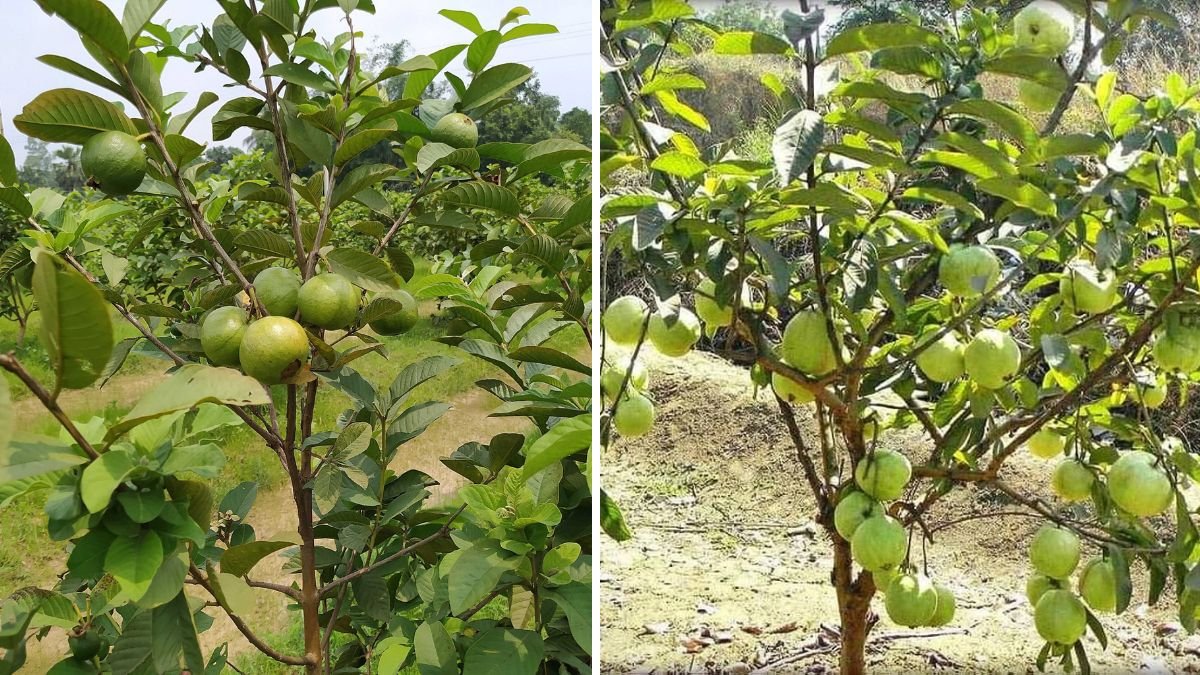

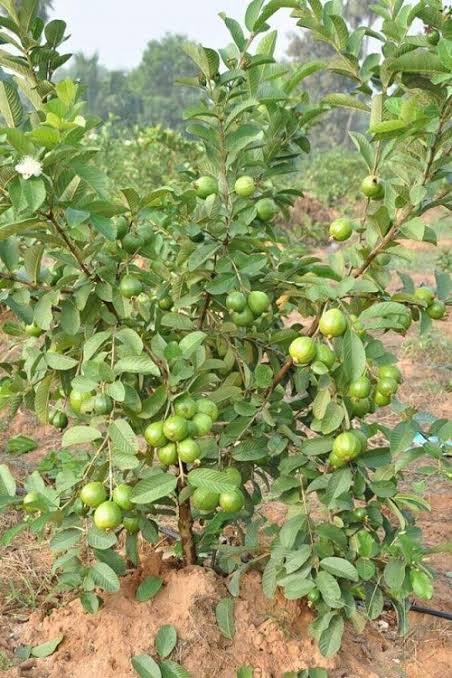
Modern home gardeners and farmers are always looking for smart, natural, and effective methods to boost the growth and fruiting capacity of their trees. Among the many innovative techniques that have recently gained attention, grafting guava trees using banana fruit is one of the most fascinating. This method is simple, cost-effective, and surprisingly effective in helping guava trees produce more fruits in a shorter period of time.
While you are not truly combining the genetics of bananas and guavas, the banana fruit acts as a powerful natural growth booster during the grafting process. It accelerates callus formation, increases moisture, and provides natural sugars and nutrients that help the scion join the rootstock faster. As a result, the guava graft heals quickly, grows faster, and bears fruits earlier than normal.
This article will guide you step-by-step through this remarkable technique, the science behind it, the benefits, and the complete process from preparation to aftercare. Let’s begin!
⭐ Why Use Banana Fruit in Guava Grafting?
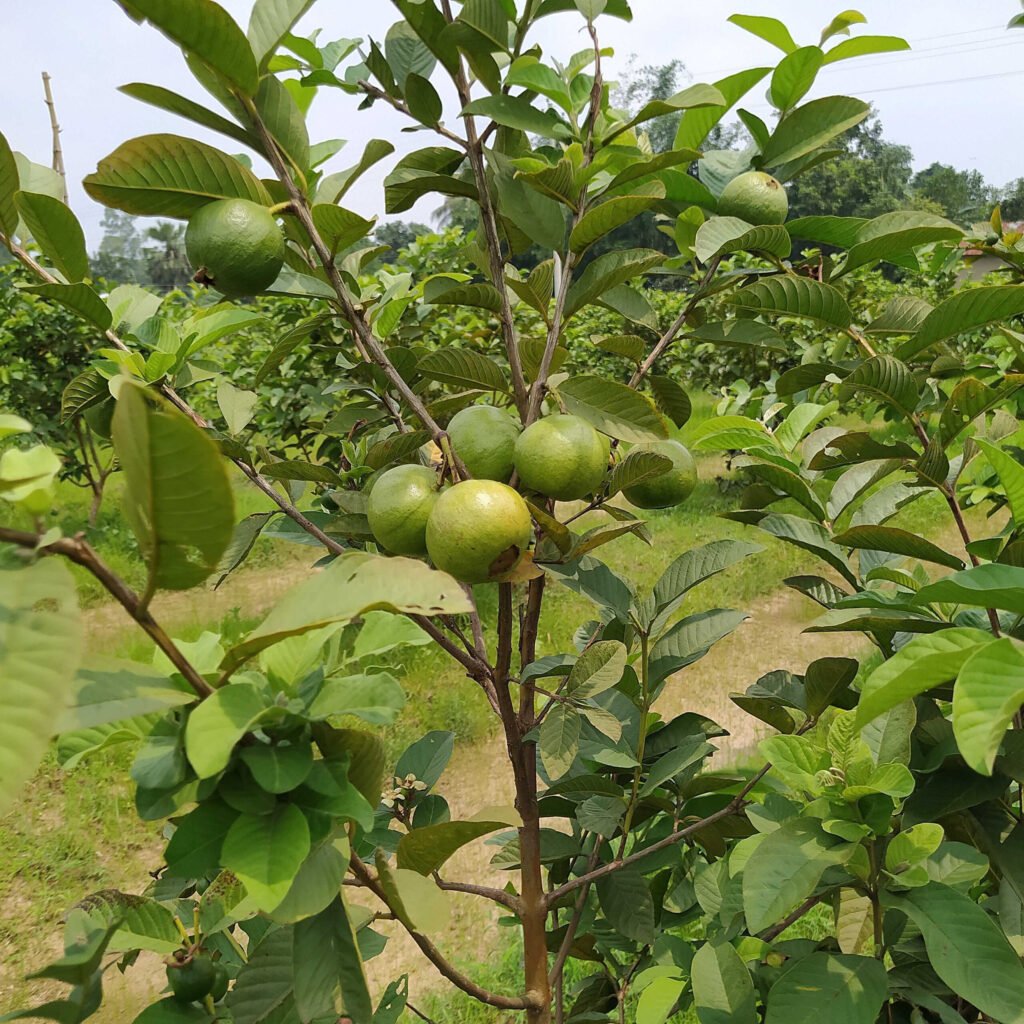
Banana fruit is rich in:
- Natural sugars
- Potassium
- Phosphorus
- Moisture
- Simple carbohydrates
These components help the graft union heal faster and encourage rapid cell division at the cut site. When placed between the rootstock (the base guava plant) and the scion (the branch of a desirable variety), banana pulp acts almost like a natural rooting hormone.
Benefits of Banana-Assisted Grafting:
✔ Faster healing of graft junction
✔ Better nutrient supply during the early stages
✔ Higher success rate compared to traditional grafting
✔ Strong and vigorous new growth
✔ Possibility of earlier flowering and fruiting—sometimes months earlier
✔ Natural, chemical-free method
✔ Works for both young and mature guava trees
This technique is especially helpful for gardeners who want a heavy-fruiting guava tree in less time.
⭐ Choosing the Right Guava Plant for the Technique
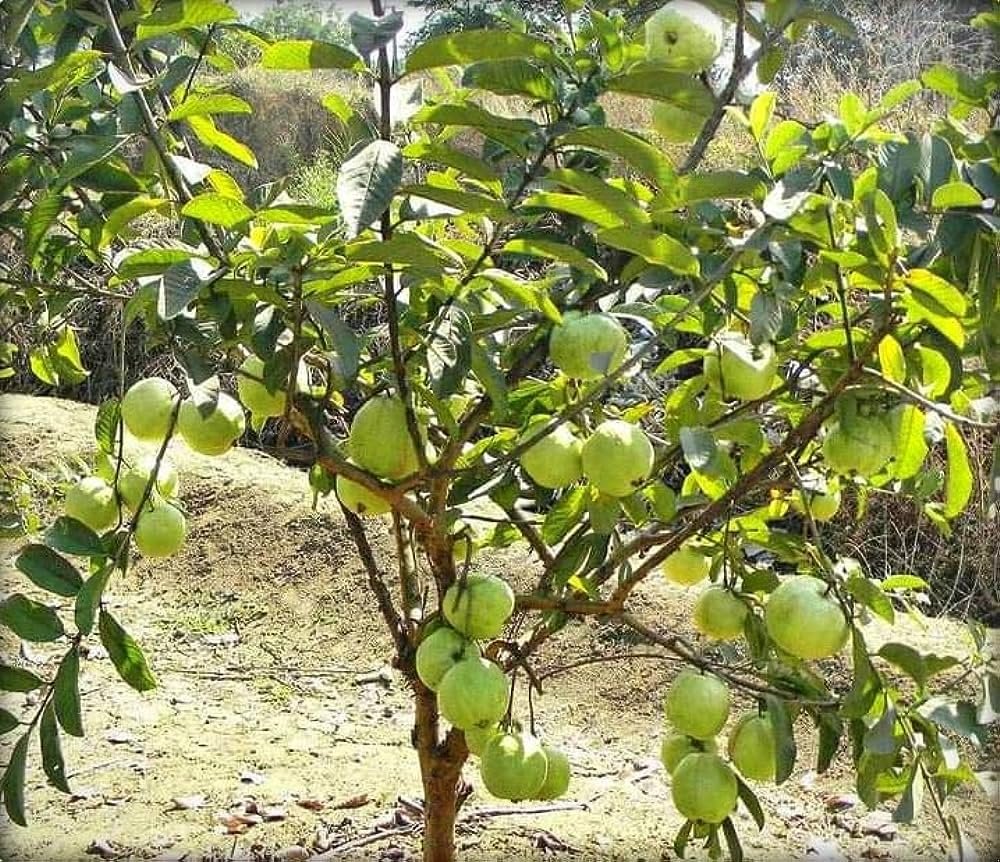
To get the best results, choose:
1. A Healthy Rootstock
- Age: 1–2 years
- Height: 2–3 feet
- Disease-free
- Well-established root system
Local varieties make excellent rootstocks because they are hardy and tolerant of soil and climate conditions.
2. A High-Yield Scion
Select a branch from a guava variety known for:
- Big fruits
- Sweet taste
- Consistent production
- Pest resistance
The scion should be 6–8 inches long with 3–4 buds.
⭐ Materials You Need
- Sharp grafting knife or blade
- Fresh banana (medium ripe—not mushy)
- Clean grafting tape or polythene strip
- Pruning shears
- Clean cloth
- Selected guava scion
Using clean tools is crucial to avoid infections at the graft site.
⭐ Step-by-Step Banana Grafting Method
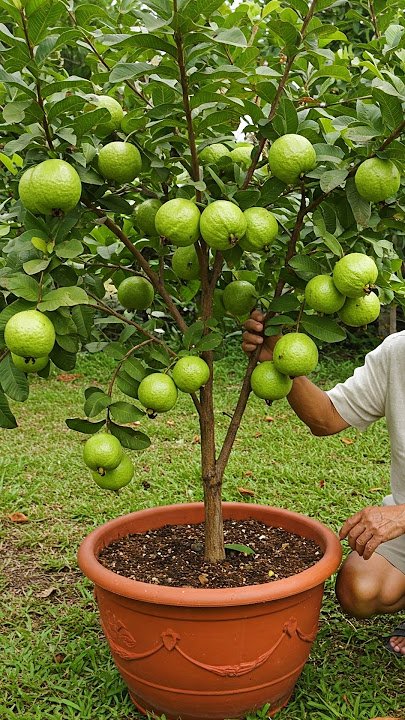
Follow these steps carefully to ensure a high success rate.
Step 1: Prepare the Rootstock
- Select a healthy area of the stem.
- Using a sharp knife, make a slanting cut (45° angle) about 2–3 inches long.
- The cut should be smooth, not crushed or jagged.
- Clean the area by wiping off dust or sap.
This angled cut exposes enough cambium layer for a strong graft union.
Step 2: Prepare the Scion
- Trim the scion to 6–8 inches.
- Remove most leaves, leaving only one small leaf to reduce moisture loss.
- Make a matching 45° slanted cut at the bottom of the scion.
- Ensure both the scion and rootstock cuts align in size and shape.
A perfect match means a higher success rate.
Step 3: Use Banana Fruit as a Natural Booster
This is the unique part of the process.
- Cut a slice of banana—medium thickness, around ½ inch.
- The slice must be fresh, not oxidized.
- Place the banana slice directly on the rootstock’s cut surface.
- Place the scion’s cut surface over the banana slice so that:
- All three layers (rootstock + banana slice + scion) touch properly
- Cambium layers align on at least one side
The banana slice works like a natural gel, keeping the graft moist and energized.
Step 4: Secure the Graft Properly
- Hold the scion, banana slice, and rootstock together firmly.
- Use grafting tape or polythene to wrap the entire joint tightly.
- Ensure no air gaps remain inside—these cause graft failure.
- Cover from top to bottom, including part of the scion.
The goal is to maintain moisture and prevent bacterial entry.
Step 5: Protect the Grafted Plant
- Keep the plant in indirect sunlight for the first week.
- Avoid strong winds, rain, or direct afternoon sunlight.
- Do not water the graft area directly—water the soil instead.
- After 10–15 days, the scion will begin to show signs of life.
If the scion stays green and firm, the graft is successful.
⭐ How Banana Helps in Faster Fruiting
Banana pulp releases:
- Ethylene gas – stimulates faster cell division
- Potassium – boosts overall plant strength
- Natural sugars – provide instant energy for growth
- Moisture – prevents the scion from drying out
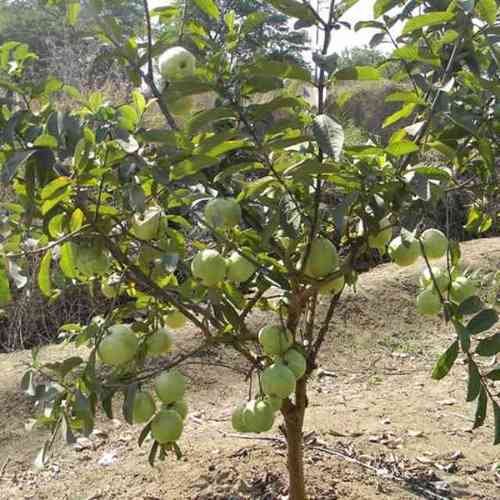
These factors help the guava scion settle quickly and begin its growth cycle faster. As a result:
- Branch growth increases
- Flowering may appear in a shorter time
- Fruit-bearing becomes heavier and earlier
- The plant becomes stronger and more productive
While normal grafts may take 6–12 months to stabilize, banana-assisted grafts often stabilize in 4–6 weeks.
⭐ Post-Grafting Care for Best Fruit Production
After the graft has started growing, follow these care tips:
✔ 1. Sunlight
Give the plant full sunlight after 15 days. Guavas need at least 6 hours daily.
✔ 2. Watering
Water deeply but avoid waterlogging. Overwatering leads to graft failure.
✔ 3. Fertilizing
Feed the plant:
- Vermicompost every 30 days
- Bone meal every 60 days
- Potash-rich fertilizer before flowering
✔ 4. Pruning
Remove weak or crowded branches to promote strong, fruiting branches.
✔ 5. Pest Control
Use neem oil spray every 15 days to keep insects away.
⭐ Expected Results
With proper care, banana-enhanced grafting can produce:
- Faster scion growth
- Stronger branch development
- Early flowering (sometimes within the first year)
- Heavy fruiting in a short time
- Better fruit quality
Guava plants normally take 2–3 years to produce fruits after grafting, but with this method, they often fruit earlier and more abundantly.
⭐ Common Mistakes to Avoid
❌ Using an overripe or rotten banana
❌ Not matching cambium layers
❌ Loose grafting tape
❌ Exposing the graft to strong sunlight too early
❌ Using diseased scions
❌ Overwatering after grafting
Avoiding these issues ensures a high success rate.
⭐ Final Thoughts
Grafting guava trees with the help of banana fruit is an exciting and innovative gardening method that can truly transform the productivity of your plant. It’s natural, inexpensive, and surprisingly effective—perfect for farmers, home gardeners, and plant lovers who want faster growth and heavier fruiting.
With the right technique, patience, and care, you can enjoy sweet, juicy, plentiful guavas much sooner than traditional grafting methods allow.
So grab a banana, prepare your grafting tools, and give this amazing method a try. Your guava tree will thank you with a bounty of fruits! 🍈🍌🌱