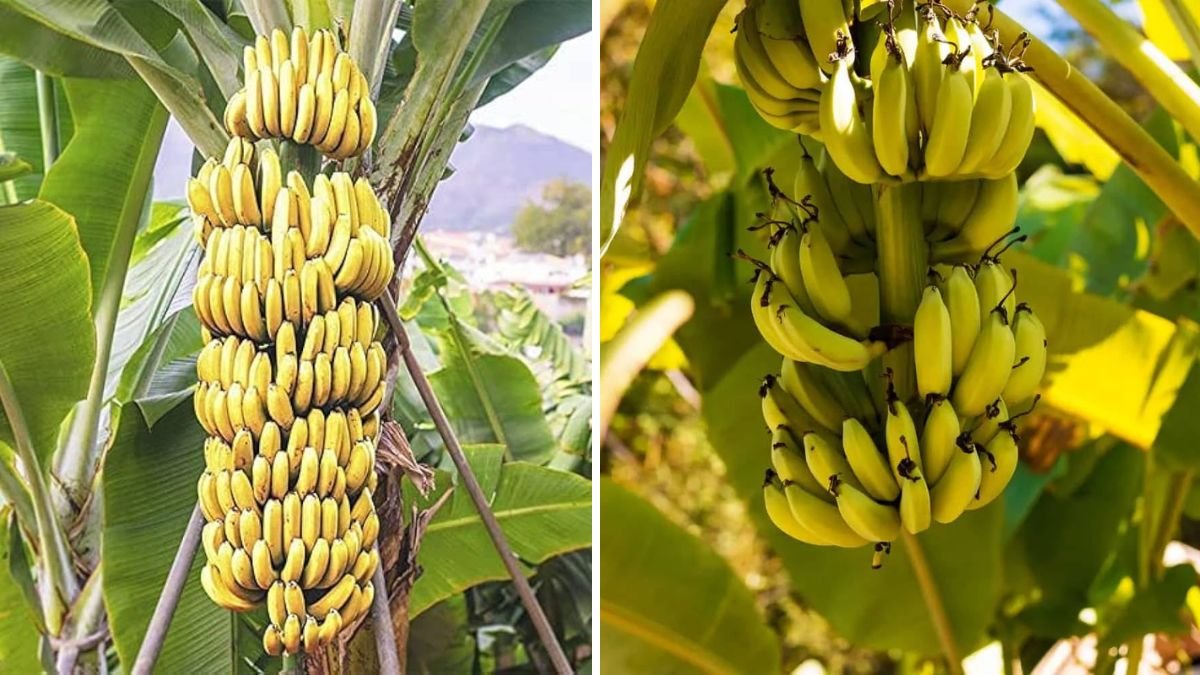

Banana plants are unique compared to most fruit trees. They don’t have woody stems, and they grow from a corm (underground bulb-like structure). Because of this, the traditional grafting methods used for mango, guava, or citrus do not work on bananas.
However, farmers and gardeners have developed new, innovative techniques that work similar to grafting—allowing you to:
- Speed up plant growth
- Improve disease resistance
- Produce more bananas
- Propagate new plants quickly
- Strengthen weak banana pups
This article explains the real, practical method that gardeners often call “banana grafting”—even though it is technically corm division and shoot fusion, not grafting in the traditional sense.
Let’s get started.
🍌 Why True Grafting Doesn’t Work on Banana Plants
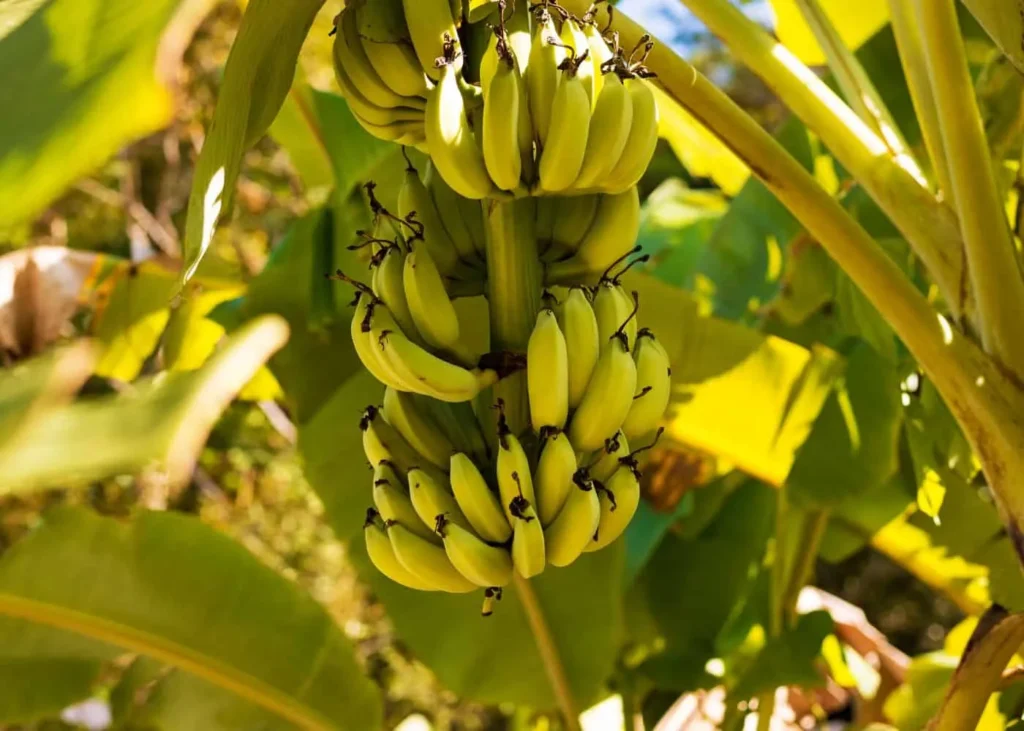
Bananas lack:
- Woody branches
- Cambium layer (needed for grafting)
- Hard bark
- Connective tissues needed for graft union
But they can be modified using a technique known as:
✔ Corm Grafting / Corm Splitting and Fusion
This method allows you to combine a strong root base (rootstock) with a vigorous top shoot (scion-like part).
The result?
A banana plant that grows faster, resists soil problems, and produces bigger bunches.
🌱 Materials You Need
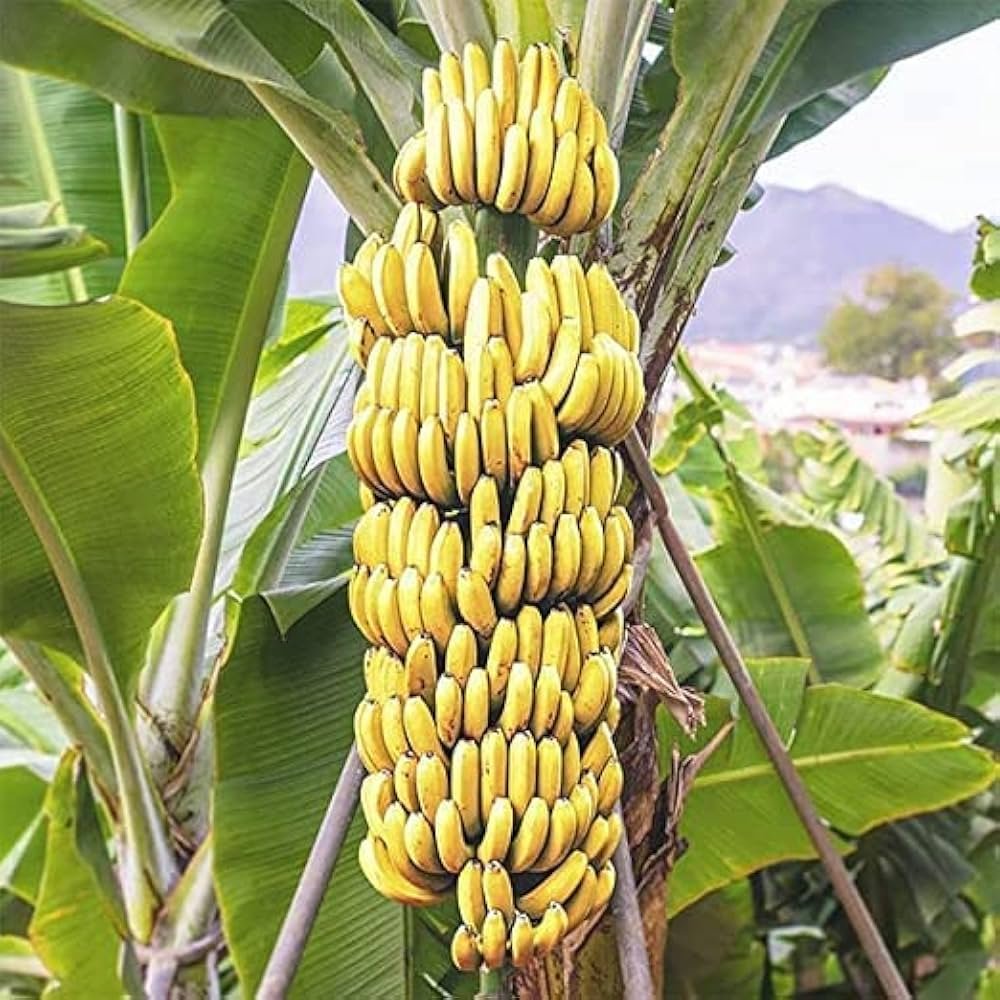
- Healthy mature banana plant (for rootstock)
- Healthy banana pup / sword sucker (for scion-like part)
- Sharp knife
- Clean water
- Small shovel
- Banana fiber or tape for securing
- Fungicide solution (optional but useful)
🍃 Step-by-Step: How to Perform Banana “Grafting”
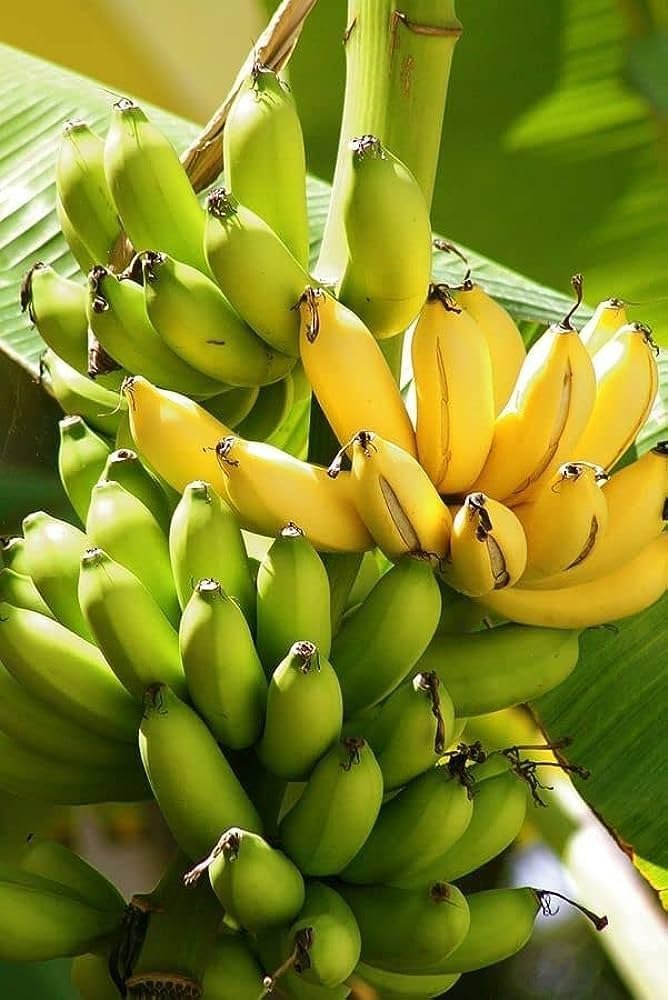
This is the most popular technique used by farmers in India, Indonesia, the Philippines, Kenya, and Sri Lanka.
Step 1: Select a Strong Rootstock
Choose a banana plant with:
- Strong corm
- Good roots
- No sign of rot
- No fungal infection
Cut away the pseudostem (the long “trunk”) and expose the corm.
Step 2: Prepare the Scion (Banana Pup)
Choose a young, strong sword sucker:
- 1–2 feet tall
- Thick base
- Healthy green leaves
- Disease-free
Cut the bottom part of the pup’s corm into a cone shape.
This cone shape helps it fit into the rootstock.
Step 3: Shape the Rootstock
For the base plant:
- Cut a hole or cavity in the center of the corm
- Keep the sides strong and thick
- The cavity should match the size of the “scion” cone
This is similar to cleft grafting, but done in the corm.
Step 4: Insert the Scion
Place the cone-shaped banana pup into the cavity of the rootstock corm.
Make sure:
- It fits tightly
- It touches the central growing tissue
- It stands straight
This creates a fusion zone where the tissues join and grow as one.
Step 5: Secure the Union
Use:
- Banana fiber
- Grafting tape
- Soft rope
to tie around the corm union so it stays firm.
Do NOT tie too tightly.
Step 6: Plant the Combined Corm
Plant the newly fused banana corm into well-drained soil.
Cover lightly, leaving the top exposed.
Water thoroughly.
🌞 Aftercare: Ensuring the Graft Takes
✔ Watering
- Water every 2–3 days
- Never allow waterlogging
✔ Shade
- Keep the plant in partial shade for 10–15 days
✔ Growth Signs
After 2–3 weeks:
- New leaves appear
- The plant stands firm
- Roots grow faster than normal
This means your banana graft has succeeded.
🍌 Benefits of Banana Corm Grafting
Here’s why farmers love this method:
✔ Faster Growth
Plants grow 20–30% faster.
✔ Bigger Bunches
The new plant often produces more fingers per hand.
✔ Strong Root System
Rootstock provides disease resistance.
✔ Save Weak Plants
A weak banana pup can be fused with a strong rootstock.
✔ Propagate Rare Varieties
Grow expensive or rare types like red banana, hill banana, or Namwa by attaching them to hardy root corms.
🍃 Bonus Technique: Banana Top Grafting (For Dwarf Plants)
Some gardeners use an interesting method:
- Cut the pseudostem halfway
- Place a strong pup on top
- Tie firmly
The top plant grows using the energy stored inside the large corm below.
This results in a quicker harvest.
🌟 Final Thoughts
While bananas cannot be grafted in the traditional sense, corm grafting and fusion techniques give you the same benefits:
- Stronger plants
- Faster growth
- Higher yields
- Better disease resistance
- Easier propagation
This method is simple, low-cost, and perfect for home gardeners and farmers who want healthier, more productive banana plants.