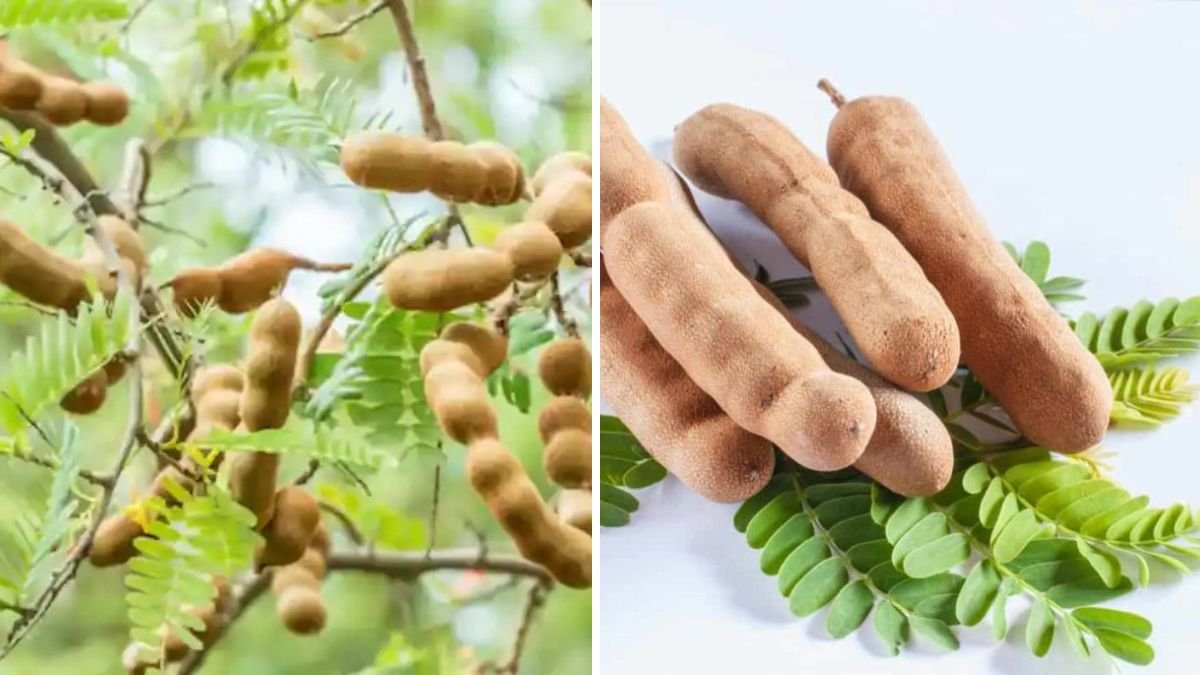

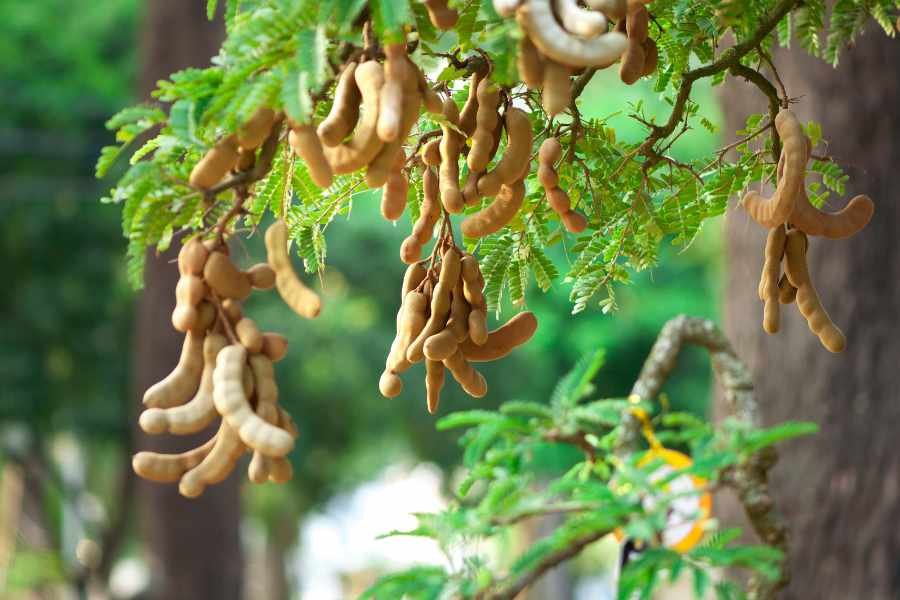
Tamarind, also known as imli, puli, or tintiri, is one of the most valuable tropical fruit trees grown across Asia, Africa, and South America. Its tangy-sweet pulp, strong shade canopy, and long lifespan make it a favorite in home gardens and commercial plantations alike. But tamarind trees are naturally slow-growing and may take 6 to 10 years to start producing fruit if grown from seed.
That’s why gardeners and farmers are turning to a new idea in tamarind grafting—a smart technique that dramatically speeds up fruiting, improves tree strength, and guarantees high-quality production.
In this article, you’ll discover how this innovative grafting idea works, why it’s becoming popular globally, and how you can use it to grow tamarind trees that yield more fruits, earlier, and with better flavor.
🌿 Why Grafting Tamarind is a Game-Changer
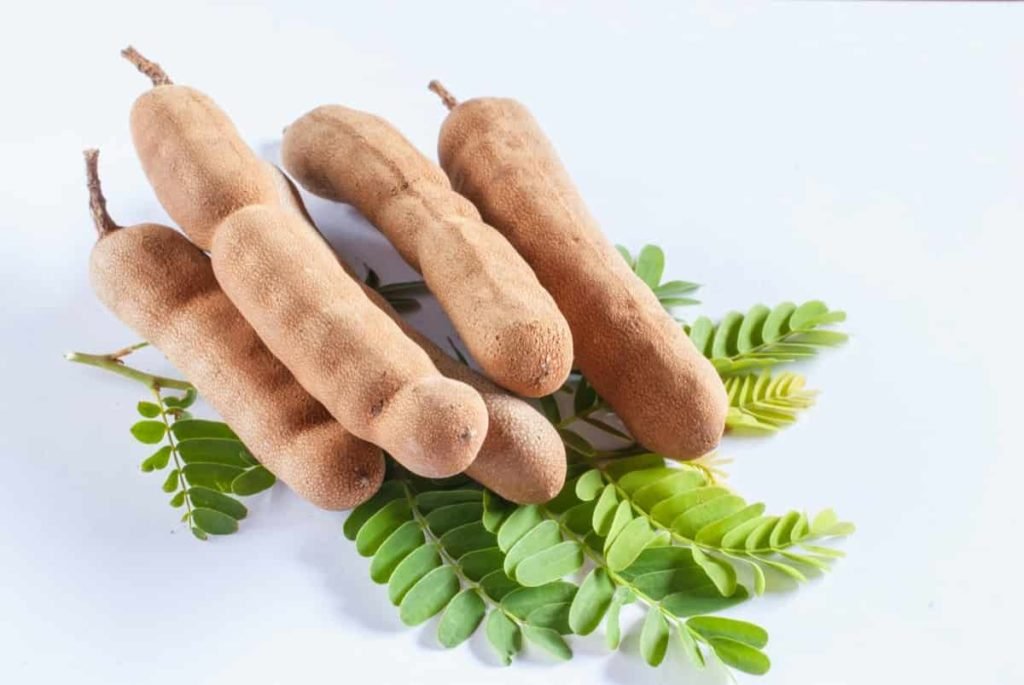
Grafting means joining the top part of a mature, fruit-producing tree (the scion) onto the root system of a strong, healthy plant (the rootstock). For tamarind, this method is transforming the way people grow the tree because:
✔ Seed-grown trees take a long time to fruit
✔ Grafted trees produce fruits in just 3–4 years
✔ Fruit quality remains identical to the parent tree
✔ Yields are higher and more consistent
✔ Trees are more disease-resistant
✔ Rootstocks grow better in poor soils
Traditional grafting works well, but the new idea making waves among gardeners is even more powerful.
🌱 The Innovative New Idea: Grafting Tamarind Onto Fast-Growing Rootstocks
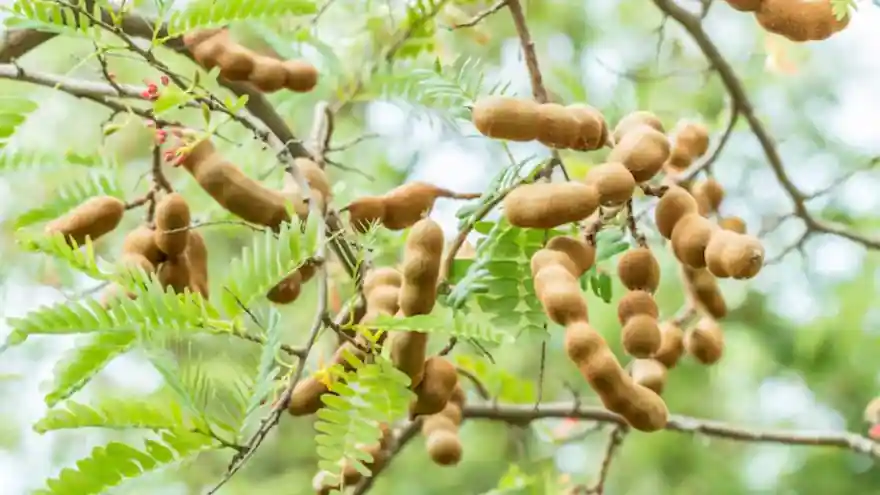
The traditional practice is to graft tamarind onto tamarind seedlings. But the new idea involves grafting tamarind scions onto vigorous, fast-growing, drought-resistant species that belong to the same family (Fabaceae). These plants develop strong roots faster and can handle:
- Poor soil
- Drought
- Heat
- Heavy fruit loads
This results in tamarind trees that grow quicker and bear more fruits.
Suitable rootstocks include:
🌳 1. Wild Tamarind (Dialium species)
Extremely hardy and drought-tolerant, perfect for low-water regions.
🌿 2. Pithecellobium dulce (Madras Thorn or Manila Tamarind)
A fast-growing tree with a robust root system and an excellent match for tamarind grafting.
🌳 3. Acacia Species
Highly adapted to poor soils and harsh climates, providing strength and disease resistance.
🌱 4. Senna siamea (Kassod Tree)
Used experimentally for grafting due to similar vascular structure.
These rootstocks help the grafted tamarind tree:
- Grow faster
- Survive harsher climates
- Produce more fruits
- Resist pests and root diseases
Farmers have reported 30–70% higher yield and much earlier flowering using these new grafting combinations.
✂️ How to Perform Tamarind Grafting Using the New Idea
You can perform this grafting at home or on a farm with very simple tools. Below is the most effective technique for this new method.
🛠 Materials Needed
- Healthy tamarind scion (from a mature, high-yield tree)
- Strong rootstock plant (e.g., Manila tamarind, wild tamarind, etc.)
- Sharp grafting knife or blade
- Grafting tape or polythene strip
- Clean cloth
- Coconut coir or moist soil (optional)
- Shade area
🌿 Step-by-Step Grafting Guide
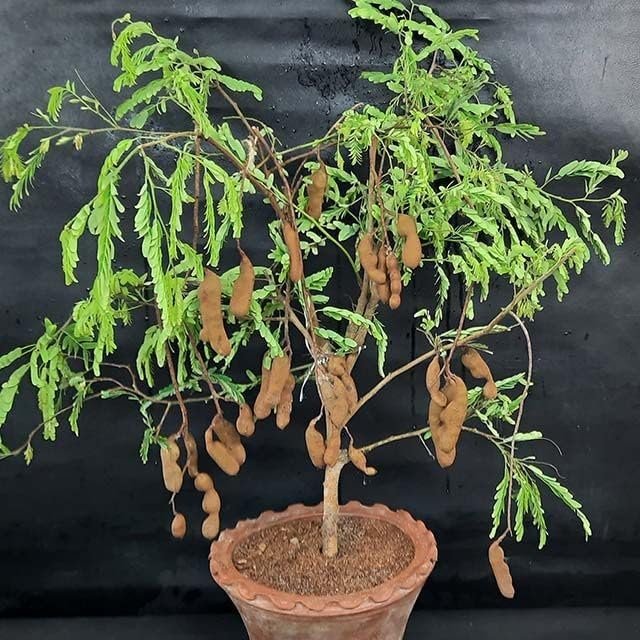
1. Prepare the Rootstock
Choose a rootstock that is:
- 6–12 months old
- Straight and disease-free
- About 1–1.5 cm thick
Cut the top of the rootstock in a clean, horizontal cut.
2. Make a Vertical Slit
Using your grafting knife, create a 1–1.5 inch vertical slit down the center of the cut rootstock.
This is where the tamarind scion will be inserted.
3. Prepare the Tamarind Scion
Choose a scion from a fruiting tree with:
- 3–4 nodes
- Hardwood or semi-hardwood structure
- Fresh buds
Cut the base in a wedge shape so it fits neatly into the slit of the rootstock.
4. Join the Scion and Rootstock
Fit the scion wedge into the slit of the rootstock so that:
- The cambium layers touch
- The scion stands firm
- No air gaps are left
The closer the alignment, the faster the graft union forms.
5. Wrap the Graft Joint
Use grafting tape to secure the joint tightly.
Wrapping must:
- Prevent infection
- Hold the scion stable
- Maintain moisture
You may also wrap with a plastic film to retain humidity.
6. Provide Shade and Moisture
Place the grafted plant in indirect sunlight for 10–15 days.
Keep soil moist but not waterlogged.
7. Check for New Growth
After 2–3 weeks, you should observe:
- New leaves
- Firm attachment
- Fresh bud growth
This means the graft is successful.
🍃 Why This New Grafting Idea Works Better Than Traditional Methods
You may wonder—why use Manila tamarind, wild tamarind, or acacia rootstocks?
Here’s why:
💪 1. Faster Root Growth
These plants develop stronger and deeper roots within a shorter time.
🌵 2. High Drought Resistance
Perfect for regions where water scarcity affects tree growth.
🦠 3. Better Disease and Pest Resistance
Rootstock immunity transfers strength to the grafted plant.
🌱 4. Faster Nutrient Uptake
Stronger roots = faster growth = earlier fruiting.
🌳 5. Better Stability
The plant withstands strong winds and heavy fruit loads.
🍈 6. Higher Yield
More fruit clusters, bigger pods, and denser canopy growth.
With this method, tamarind trees can begin fruiting as early as 2.5–3 years, depending on climate and soil conditions.
🌞 Caring for Grafted Tamarind for Maximum Fruit Production
To get the best results, follow these care guidelines.
💧 1. Watering
- Water deeply once a week.
- Do not overwater.
- Use mulch to retain moisture.
🌱 2. Fertilizing
Feed every 2–3 months with:
- Compost
- Cow dung
- Bone meal
- Neem cake
- Ash (potassium-rich)
Tamarind loves organic matter.
✂️ 3. Pruning
Remove:
- Dead branches
- Weak shoots
- Lower leaves touching soil
This helps the tree grow faster and produce more pods.
🛡 4. Pest Management
Common pests include:
- Fruit borers
- Caterpillars
- Aphids
Use neem oil spray every 15 days.
🌳 5. Support and Protection
Protect young grafts from:
- Cattle
- Harsh sunlight
- Strong winds
You can also apply tree guards for safety.
🍈 Expected Results From This New Grafting Method
With proper care:
- Grafted tamarind trees grow 40–60% faster
- Fruit size is consistent
- Yield increases significantly
- Fruit quality remains identical to the mother tree
- Trees live longer and stay healthier
Commercial orchards adopting this method report earlier flowering and more uniform harvests.
⭐ Conclusion: A New Era of Tamarind Growing Begins
This new idea for grafting tamarind fruit onto stronger, faster-growing rootstocks is transforming how farmers and home gardeners cultivate tamarind trees. With just a simple grafting technique, you can grow:
- Faster-growing trees
- Earlier fruiting plants
- Strong, drought-resistant root systems
- High-yielding, high-quality tamarind fruits
Whether you’re a hobby gardener or a commercial grower, this method guarantees impressive results and is worth trying in your next planting season.