

Guava is one of the most rewarding fruit trees you can grow, loved for its sweet aroma, soft pulp, and impressive nutritional value. But did you know that you can graft guava to enhance its productivity, disease resistance, and overall fruit quality? Grafting isn’t just for apples, mangoes, or citrus — guava grafting is a powerful yet simple technique that home gardeners and farmers are now using to dramatically improve their harvest.
Whether you’re trying to grow larger, sweeter guavas or want your tree to thrive in challenging conditions, grafting guava with a stronger, more resilient rootstock is a great idea that can transform your garden.
This article explains everything: why grafting guava works so well, the best rootstocks to use, and a complete step-by-step method to graft guava successfully at home.
🍈 Why Graft Guava?
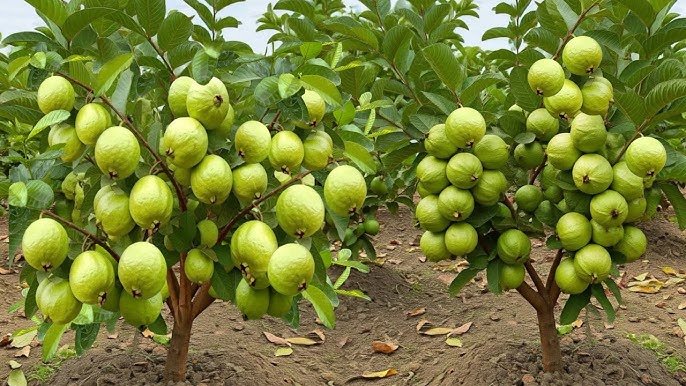
Guava trees are tough by nature, but they still face challenges:
- Susceptibility to soil-borne diseases
- Root rot in heavy soils
- Weak growth in drought conditions
- Slow fruiting
- Inconsistent yield
Grafting allows you to combine the advantages of two plants:
👉 The top part (scion): The guava variety you want
👉 The bottom part (rootstock): A strong, disease-resistant guava species
Together, they form a super-guava tree with increased strength, faster growth, and more consistent production.
🍈 Best Rootstocks for Grafting Guava
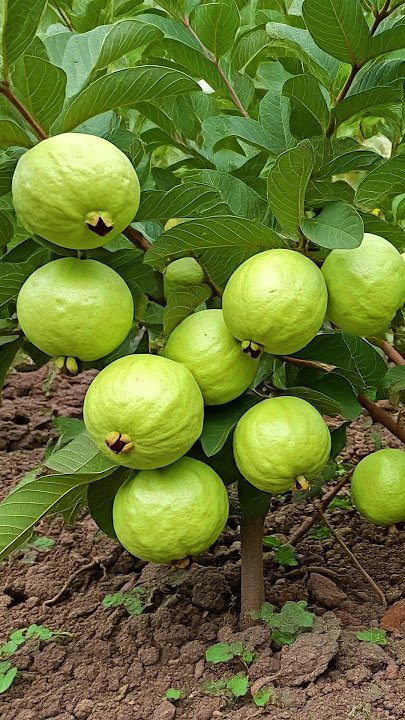
To get the best results, graft guava onto hardy, disease-resistant rootstocks such as:
1. Wild Guava (Psidium guineense)
- Extremely disease-resistant
- Handles drought well
- Creates a strong, long-living tree
2. Lemon Guava (Psidium littorale)
- Excellent against soil diseases
- Great for humid or wet regions
- Suitable for container growing
3. Local Desi Guava Seedlings
- Adapted to your climate
- Strong root system
- Low maintenance
Using these rootstocks significantly strengthens your guava tree and boosts its productivity.
🍈 Types of Grafting Used for Guava
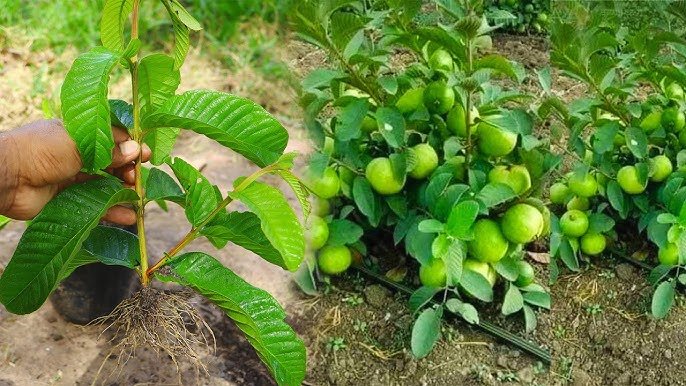
Because guava stems are semi-hard, these methods work best:
- Cleft Grafting
- V-Grafting
- Wedge Grafting
- Side Veneer Grafting
- Approach Grafting
Among these, cleft grafting is the most successful and easiest for beginners.
🍈 Step-by-Step Guide: Grafting Guava (Cleft Method)
Step 1: Choose a Strong Rootstock
Select a healthy plant:
- 1 year old
- 1–1.5 cm stem thickness
- 30–50 cm tall
Cut the stem straight across at a height of about 15–20 cm above the soil.
Step 2: Make a Clean Vertical Cut
On the cut stem, make a 2–3 cm vertical slit down the center.
This is where the scion will fit.
Step 3: Prepare the Scion (Your Desired Guava Variety)
The scion should be:
- 10–12 cm long
- With 2–3 healthy buds
- Semi-hardwood (not too young, not too old)
Cut the base of the scion into a sharp wedge shape that fits into the slit.
Step 4: Join the Rootstock and Scion
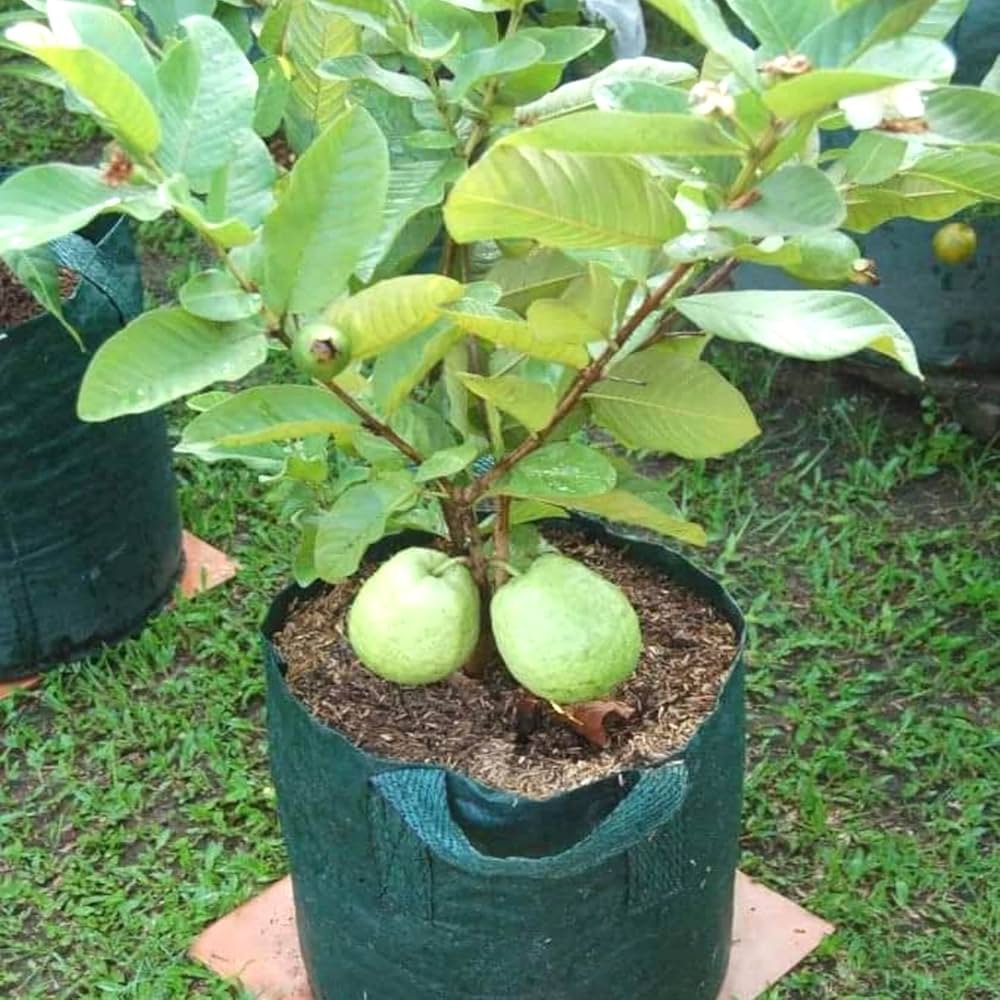
Place the scion wedge into the slit of the rootstock so that the cambium layers match.
Perfect cambium contact is essential for graft healing.
Step 5: Wrap the Graft Firmly
Use:
- Grafting tape
- Plastic strip
- Parafilm
Wrap tightly so the scion cannot move.
Seal all open areas to prevent air and moisture entry.
Step 6: Shade and Care for the First 2 Weeks
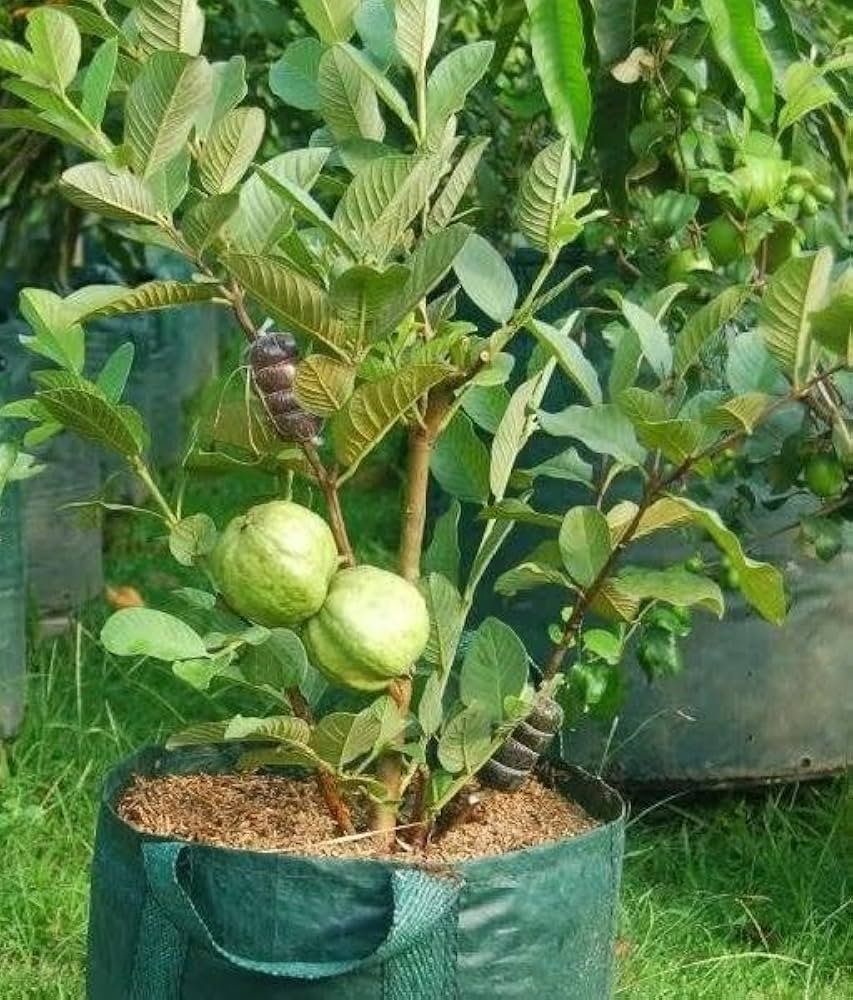
Guava grafts should not face direct sunlight initially.
- Keep in partial shade
- Mist lightly (avoid heavy watering)
- Maintain warm, humid conditions
A healthy graft will show signs of new growth within 15–21 days.
🍈 Training Your Grafted Guava Tree for Maximum Fruit
Once the graft is successful, shape your tree for long-term production.
✔ Allow only one strong main stem initially
Remove lower shoots from the rootstock.
✔ After the tree reaches 2–3 feet
Top it to encourage branching.
✔ Maintain 3–4 strong primary branches
These will form the productive canopy.
Good training ensures more flowers and larger fruits.
🍈 Why Grafted Guava Produces Better Fruits
Grafted guava trees benefit from:
✔ Stronger Roots
The rootstock is more tolerant to pests, diseases, and harsh weather.
✔ Faster Growth
Scion gets immediate access to a mature root system.
✔ Earlier Fruiting
Grafted guava trees produce fruits 1–2 years earlier than seed-grown ones.
✔ Higher Yield
Better nutrient absorption = more flowers and fruits.
✔ Uniform Fruit Quality
The scion ensures consistent flavor, shape, and size.
🍈 Best Care Tips for Grafted Guava Trees
⭐ Watering
- Avoid overwatering
- Keep soil slightly moist
- Ensure good drainage
⭐ Fertilizer Schedule
Every 30 days apply:
- Compost
- Neem cake
- Bone meal
- Banana peel liquid
- Seaweed extract
These nutrients boost flowering and fruit development.
⭐ Pruning
Remove:
- Suckers
- Weak branches
- Crossing branches
- Excess shoots
Pruning stimulates new growth where most flowers appear.
🍈 Guava Flowering and Fruit Setting Tips
Getting maximum fruits from a grafted guava tree is easy when you understand its flowering cycle.
✔ Guavas flower on new growth
This means more pruning = more flowers.
✔ Avoid nitrogen-heavy fertilizers
Nitrogen produces leaves instead of fruits.
✔ Use potash-rich fertilizers
Potash improves fruit sweetness and size.
✔ Control water during fruit maturation
Less water = sweeter guavas.
🍈 Common Problems and Solutions
❌ Scion drying
Cause: Sun exposure too early
Fix: Provide shade for 2 weeks
❌ Graft union turning black
Cause: Fungal infection
Fix: Use sterilized tools and proper sealing
❌ Rootstock shoots growing faster than scion
Solution: Remove them immediately
❌ Poor fruit size
Cause: Too many branches
Fix: Prune and thin fruits
🍈 The Secret Technique: Multi-Grafting Guava
You can graft multiple guava varieties on one tree!
Imagine a single tree producing:
- Pink guavas
- White guavas
- Large “Lucknow” varieties
- Sweet Thai varieties
Multi-grafting is easy once you master basic grafting.
🍈 Final Thoughts: Grafting Guava Is a Great Idea for Every Gardener
Grafting guava with strong rootstocks is one of the best gardening ideas you can try. It gives you:
✔ Faster fruiting
✔ Bigger, sweeter guavas
✔ Better disease resistance
✔ A longer-living tree
✔ Higher yields
✔ Climate flexibility
Whether you are a hobby gardener or planning a home orchard, grafting guava is a simple, powerful method that can transform your fruit-growing journey.