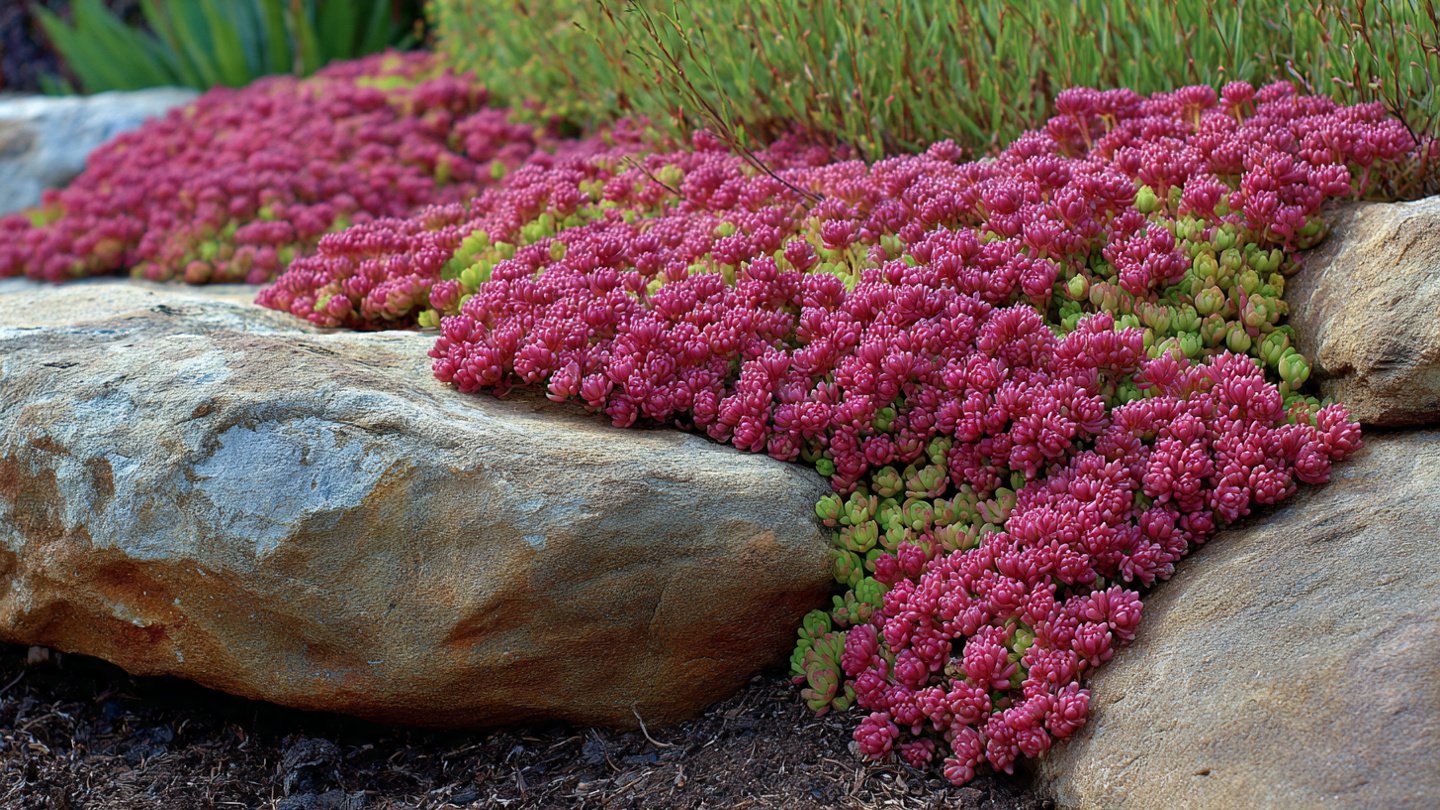

Rock gardens offer a unique opportunity to cultivate a diverse range of plants in a visually appealing format. One of the most popular options for ground cover in these gardens is sedum. This hardy succulent not only thrives in rocky, dry conditions but also brings a vibrant array of colors, textures, and forms to your landscape. In this complete guide, we’ll explore how to effectively grow sedum ground cover in your rock garden, touching on planting tips, care requirements, and troubleshooting. We will also include a FAQs section at the end to address common queries about sedum cultivation.
What is Sedum?
Sedum, commonly known as stonecrop, refers to a large genus of flowering succulents in the Crassulaceae family. With over 400 species, sedum plants vary significantly in size, shape, and color. Most types are low-growing and produce charming clusters of star-shaped flowers, making them ideal for ground cover. Their fleshy leaves are typically thick, enabling them to store water, which allows them to withstand drought conditions.
Benefits of Using Sedum as Ground Cover
-
Drought-Resistant: Sedum’s succulent nature allows it to thrive in dry conditions, making it perfect for low-maintenance gardens.
-
Low Maintenance: Once established, sedum requires minimal care and is quite resilient against pests and diseases.
-
Variety: The vast array of sedum species provides an opportunity for creative landscaping, accommodating diverse aesthetic preferences.
-
Attracts Pollinators: Sedum flowers are known to attract bees and butterflies, promoting biodiversity in your garden.
-
Soil Stabilization: With its extensive root system, sedum can help prevent soil erosion in rocky areas.
Choosing the Right Sedum Species
Selecting the right sedum for your rock garden is crucial to achieving desired aesthetic and functional results. Here are some popular varieties:
-
Sedum spurium (Caucasian Stonecrop): This variety features green to reddish leaves and pink or white flowers. It is an excellent ground cover, spreading quickly.
-
Sedum album (White Stonecrop): Known for its spreading habit, this species forms a dense mat of white flowers and is ideal for sunny locations.
-
Sedum acre (Goldmoss Stonecrop): A vibrant green ground cover that produces yellow flowers and thrives in rocky or gravelly soil.
-
Sedum reflexum (Stonecrop): This plant has a unique, needle-like foliage and forms compact, dense patches, usually blooming with yellow flowers.
-
Sedum ‘Autumn Joy’: Taller than most other sedums, this variety can reach over 2 feet in height, making it suitable for a layered approach in your garden.
Preparing the Rock Garden
Location
Choose a sunny spot in your garden that receives at least 6 hours of sunlight daily. Sedum prefers full sun and will flourish in the warmth.
Soil
While sedum is adaptable to various soil types, well-draining soil is essential. If your existing soil is heavy or retains moisture, consider amending it with sand, gravel, or perlite to improve drainage. Sedum thrives in poor, sandy soils but struggling in overly rich or organic matters.
Creating the Rock Garden Setup
-
Select Rocks: Use large stones as anchors to create a rugged, naturalistic look. Aim for a mix of sizes and shapes to mimic natural landscapes.
-
Arrange the Rocks: Position the rocks in a natural formation. Pile them to create height variations and allow for the sedum to flow between the gaps.
-
Prepare the Ground: Clear the area of weeds and remove any debris. Loosen the soil where you plan to plant the sedum, mixing in gravel or sand for improved drainage.
Planting Sedum
Once you have prepared your rock garden, it’s time to plant the sedum:
Step-by-Step Planting
-
Spacing: Determine how far apart to plant your sedum. Generally, you can place them 12 to 24 inches apart, depending on the species.
-
Digging Holes: Dig a hole for each sedum plant that is about twice the width of the root ball.
-
Planting: Remove the plant from the pot and gently loosen the roots if they are tightly bound. Place the plant in the hole at the same depth it was growing in the pot. Fill the hole with soil and pack it lightly around the base.
-
Watering: Water the newly planted sedum sparingly. They do not like soggy conditions, so allow the soil to dry out between watering.
-
Mulching: A thin layer of gravel or coarse sand can be applied around the plants to improve drainage and reduce weed competition.
Caring for Sedum Ground Cover
Once your sedum is established, they require minimal care, but some attention to detail will help keep your garden thriving.
Watering
Sedum is drought-tolerant, so avoid overwatering. During the growing season, water only if there is prolonged dry weather. This means less frequent watering during the cooler months.
Pruning
Regular pruning helps maintain the shape of your sedum and encourages denser growth. Remove dead flowers after they bloom to prevent them from going to seed and maintain a tidy appearance.
Fertilization
Typically, sedums do not require fertilization. However, if you notice poor growth, a light application of a balanced, slow-release fertilizer in early spring can encourage healthy development.
Pest Control
Sedum is generally resistant to pests, but keep an eye out for mealybugs or aphids, which can occasionally infest the plants. If detected, treat them with insecticidal soap or neem oil.
Troubleshooting Common Issues
Diseases and Pests
-
Root Rot: Often a result of overwatering or poor drainage, root rot can be fatal. If the roots are mushy, it may be necessary to remove the affected plants and adjust the soil conditions.
-
Powdery Mildew: This fungal disease can occur in humid conditions. Improve air circulation and avoid overhead watering.
Environmental Challenges
-
Too Much Shade: Sedum prefers full sun. If your plants are becoming leggy or failing to thrive, consider relocating them to a sunnier spot.
-
Extreme Cold: Some sedum varieties may be sensitive to extreme cold. If you live in a particularly harsh climate, cover your plants with mulch in late fall.
Creating a Stunning Rock Garden with Sedum
To create a visually appealing rock garden with sedum, consider the following design tips:
-
Layering: Mix sedums of differing heights with rocks of varying sizes. Taller sedums can be situated at the back, while shorter ones can cascade over rocks at the front.
-
Color Contrast: Choose a variety of species with different colors and shapes to create visual interest. Consider pairing sedums with ornamental rocks or driftwood for added texture.
-
Seasonal Interest: Select sedum varieties that bloom at different times throughout the growing season to ensure continual color and visual intrigue.
-
Succulent Companions: Combine sedum with other succulents or drought-tolerant plants. Options such as sempervivum (hens and chicks) and various herbs (like thyme) can be excellent companions.
FAQs About Growing Sedum Ground Cover
1. How often should I water sedum?
Sedum prefers well-draining soil and is drought-resistant. Water only during prolonged dry spells, typically once every couple of weeks. Overwatering can lead to root rot.
2. Can sedum survive winter?
Most sedum species are hardy and can survive cold winters. However, consider mulching in extremely cold regions to protect the roots.
3. How fast does sedum grow?
Sedum grows relatively quickly, and many varieties will establish themselves in just a season. Some can spread up to 18 inches in a year.
4. Can sedum be grown in containers?
Yes, sedum can thrive in containers, provided you use well-draining soil. Ensure that the container has adequate drainage holes.
5. Do I need to fertilize my sedum?
Sedum typically does not require additional fertilization. However, in nutrient-poor soils, a light application of a slow-release fertilizer in early spring can be beneficial.
6. Can sedum help with erosion control?
Yes, sedum’s extensive root system can help stabilize soil and prevent erosion, making it an excellent choice for sloping landscapes or rocky areas.
7. Is sedum deer-resistant?
Most sedum varieties are considered deer-resistant due to their thick, succulent leaves which are unappealing to foraging animals.
By selecting the right species, preparing your garden thoughtfully, and providing minimal care, you can create a stunning rock garden filled with vibrant sedum ground cover. Enjoy the beauty and resilience of these remarkable succulents as they establish themselves in your landscape, attracting not only the eye but also beneficial pollinators. Happy gardening!