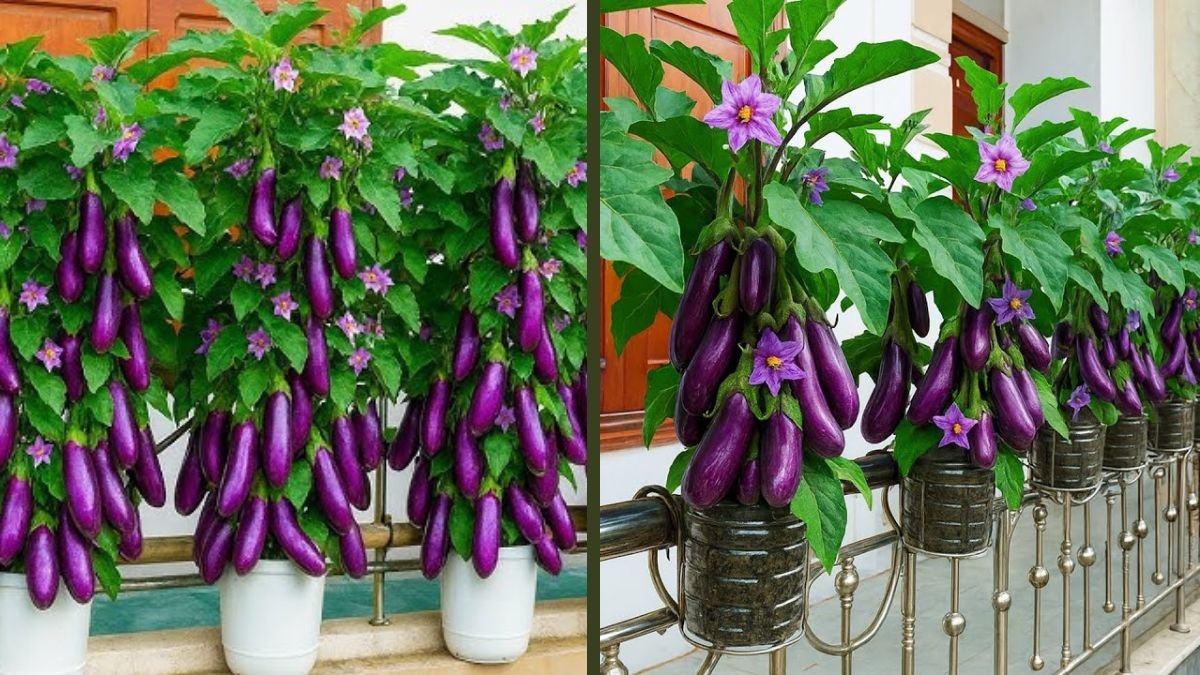

Introduction: Why Balcony Eggplant Gardening
Eggplants, also known as brinjal or aubergine, are nutritious and versatile vegetables. Homegrown eggplants are fresher, chemical-free, and tastier than store-bought. Balcony gardening makes it possible to grow them year-round, even in small spaces. With proper containers, soil, sunlight, watering, and support, eggplants can thrive and produce multiple harvests. This article provides step-by-step guidance for balcony eggplant cultivation for beginners. Growing eggplants at home ensures a steady supply for family meals.
Nutritional Benefits of Eggplants
Eggplants are rich in fiber, antioxidants, vitamins, and minerals. They promote heart health, aid digestion, and regulate blood sugar. Low in calories, eggplants are ideal for weight management. Homegrown eggplants are free from pesticides, ensuring maximum nutritional benefits. Including eggplants in meals adds flavor and variety while supporting overall health.
Choosing the Right Eggplant Variety
Select compact or dwarf varieties for balcony cultivation. Popular options include Black Beauty, Patio Baby, and Little Fingers. Choose disease-resistant, high-yielding seeds for best results. Avoid damaged or old seeds that reduce germination. Compact varieties thrive in containers while producing multiple fruits. Proper selection ensures success in year-round balcony gardening.
Selecting the Right Container
Eggplants grow well in pots, containers, or grow bags with a minimum depth of 12–15 inches. Ensure drainage holes at the base to prevent waterlogging. Use durable, non-toxic containers such as plastic, ceramic, or fabric grow bags. Larger containers allow proper root expansion and nutrient absorption. Correct container choice supports healthy growth and continuous fruit production.
Preparing the Soil Mixture
Mix garden soil, compost, and cocopeat or sand for a fertile, well-draining medium. Add vermicompost or organic fertilizer to enhance growth. Avoid compacted soil that restricts roots. Nutrient-rich soil promotes strong root systems, healthy foliage, and high-yield fruits. Proper soil preparation is key to year-round eggplant cultivation.
Planting Eggplants
Plant seedlings 10–12 inches apart in containers to allow airflow. For seeds, start in nursery trays and transplant after 4–6 weeks. Cover roots with soil gently and water immediately. Place containers in sunny spots with at least 6 hours of sunlight. Proper planting orientation and spacing ensure robust growth and high yields.
Watering and Moisture Management
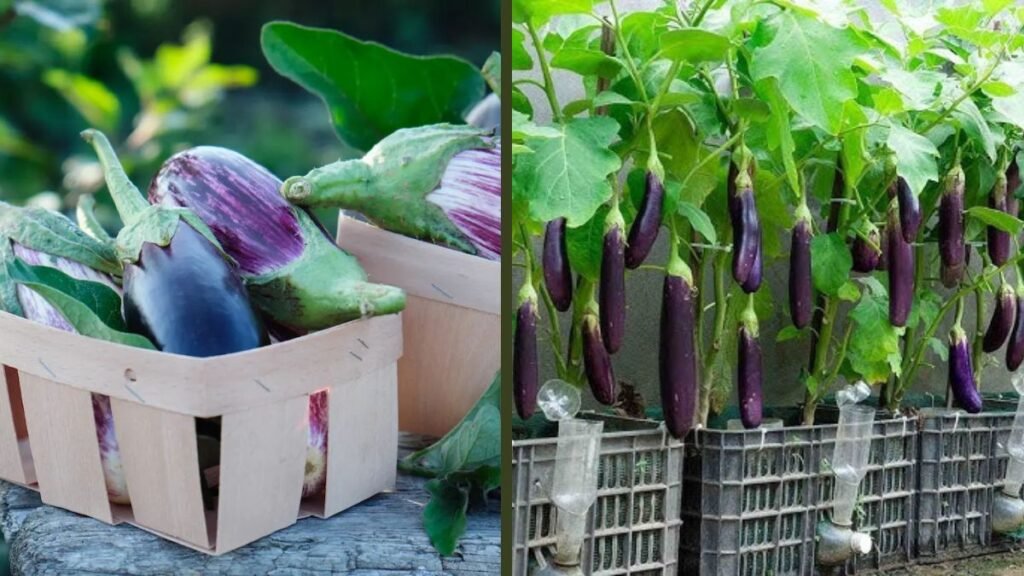
Eggplants require consistent moisture for optimal growth. Water deeply 2–3 times per week or as needed. Mulch with straw or dried leaves to retain moisture and prevent soil drying. Avoid overwatering to prevent root rot. Morning watering reduces fungal infection risk. Proper irrigation supports continuous flowering and fruiting.
Fertilization for Balcony Eggplants
Apply nitrogen-rich fertilizer early for leafy growth. Switch to phosphorus and potassium fertilizers during flowering and fruiting for bigger, healthier fruits. Organic fertilizers like compost tea or vermicompost boost yield. Avoid over-fertilization, which may promote foliage over fruit. Balanced nutrition ensures continuous harvests and vibrant fruits.
Support and Pruning
Provide stakes or small trellises for vertical growth. Prune weak or yellowing leaves to improve airflow. Pinch tips of main stems to encourage branching. Proper pruning reduces pest and disease incidence. Support and pruning lead to higher fruit set and better quality eggplants.
Sunlight Requirements
Eggplants require full sunlight for 6–8 hours daily. Adequate sunlight strengthens plants, promotes flowering, and enhances fruit quality. Avoid placing containers in shaded areas. Rotate pots for uniform exposure. Proper sunlight ensures continuous year-round fruiting.
Pollination Tips
Encourage pollination by bees or hand-pollination with a small brush. Monitor flowers for health and remove damaged blooms. Proper pollination is essential for fruit set and size. Healthy flowers lead to multiple, large, and uniform eggplants on each plant.
Pest and Disease Management
Common pests include aphids, whiteflies, and spider mites. Use neem oil or organic insecticides for control. Remove infected leaves promptly. Prevent fungal infections by avoiding overhead watering. Regular inspection ensures healthy, high-yield plants. Pest-free plants produce consistent fruits throughout the year.
Harvesting Eggplants
Harvest when fruits are firm, glossy, and reach desired size. Cut carefully to avoid damaging the stem. Regular harvesting encourages continuous flowering and fruiting. Avoid leaving overripe fruits as they become bitter. Proper harvesting ensures high-quality, tasty, and chemical-free eggplants.
Storage and Shelf Life
Store harvested eggplants in cool, dry conditions. Avoid washing before storage to prevent fungal growth. Use within 7–10 days for maximum freshness. Proper storage preserves texture, flavor, and nutritional content. Homegrown eggplants remain fresher than market-bought varieties.
Common Mistakes to Avoid
Overwatering, poor fertilization, insufficient sunlight, and lack of support reduce yield. Using unsuitable containers or overcrowding affects growth. Ignoring pest control leads to damaged fruits. Avoiding these errors ensures a continuous, high-yield harvest. Proper care guarantees successful year-round balcony gardening.
Tips for Year-Round Balcony Gardening
Succession planting, pruning, and regular care promote continuous harvest. Maintain nutrient-rich soil and adequate watering. Rotate containers and check for pests weekly. With consistent attention, eggplants can produce multiple crops year-round. Proper planning maximizes yield in small balcony spaces.
Comparison Table: Balcony vs Traditional Garden Eggplants
| Feature | Balcony Method | Traditional Garden |
|---|---|---|
| Space Requirement | Small, compact | Large garden area |
| Year-Round Growth | Yes | Seasonal |
| Pest Management | Easier | Harder |
| Fruit Quality | High, uniform | Variable |
| Container Flexibility | Yes | No |
| Yield per Plant | Moderate to High | Moderate |
Culinary and Health Uses
Eggplants are ideal for curries, stir-fries, grilling, roasting, and dips. Homegrown fruits are more flavorful, tender, and free of chemicals. Eggplants add nutrients, antioxidants, and fiber to meals. Continuous supply allows year-round incorporation into family dishes. They are perfect for healthy diets and tasty recipes.
Benefits of Growing at Home
Balcony eggplant gardening saves money, ensures chemical-free produce, and provides fresh vegetables year-round. It promotes sustainability, self-sufficiency, and family involvement. Growing plants in containers is practical for urban settings. Observing flowers and fruits develop is rewarding and educational. Homegrown eggplants encourage healthier eating habits.
Conclusion
Balcony eggplant gardening is achievable with proper containers, soil, sunlight, watering, fertilization, and pest management. Supporting vines, pruning, and regular harvesting ensure continuous year-round production. Compact, dwarf varieties thrive in small spaces while producing multiple harvests. Implement these methods to enjoy fresh, tasty, and chemical-free eggplants directly from your balcony.