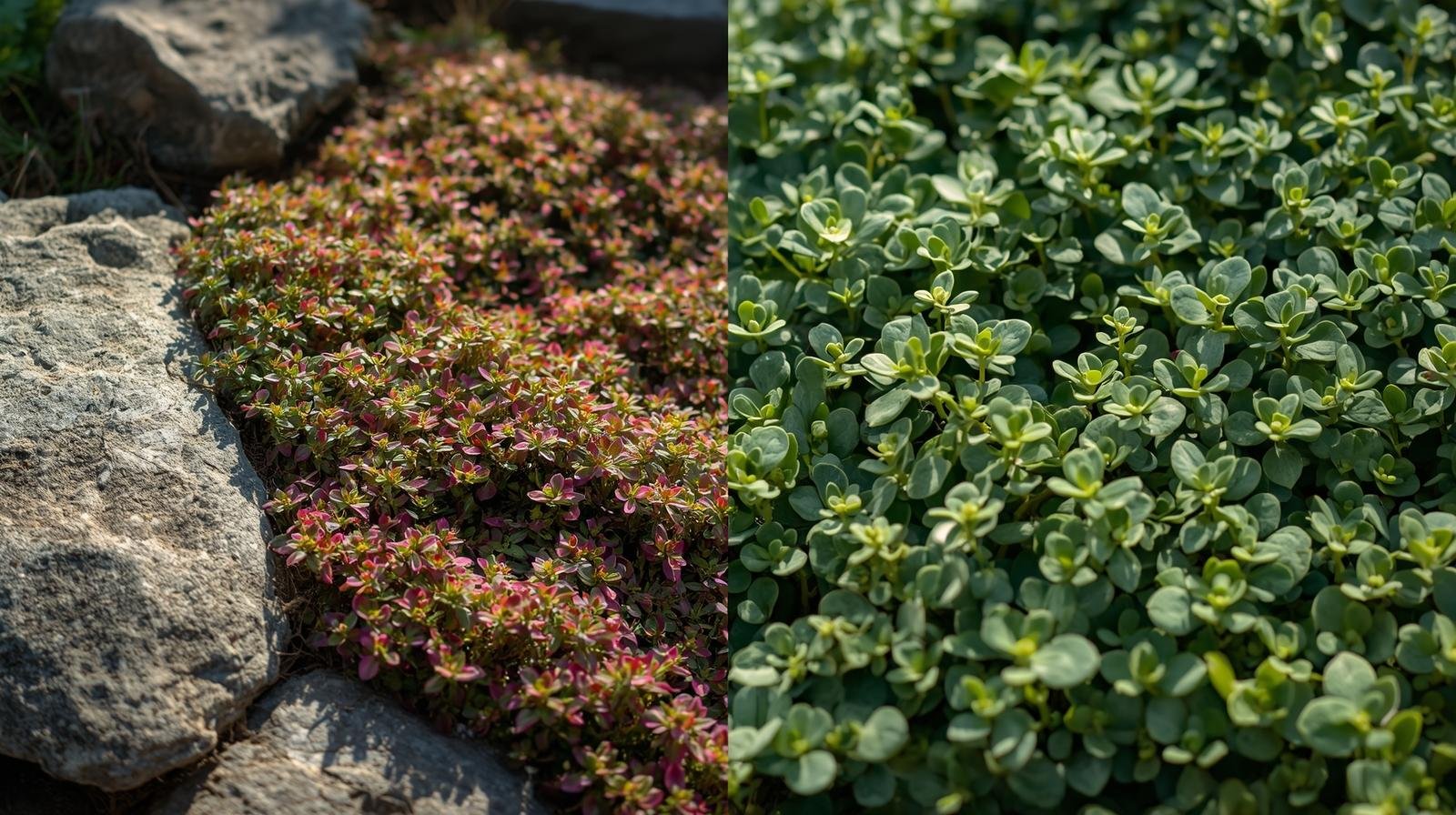

Ground cover plants play an important role in modern landscaping because they reduce maintenance, control weeds, and improve soil health naturally. Home gardeners and landscape designers often look for plants that return every year without the need for replanting. Perennial ground covers provide long-lasting beauty while saving both time and money. These plants spread naturally, protect bare soil, and add visual interest throughout different seasons. Many ground cover plants are also drought tolerant and suitable for low-maintenance gardens. Choosing the right ground cover depends on sunlight, soil type, and climate. When selected carefully, these plants can transform empty garden spaces into lush green carpets. This article explores five unique ground cover plants that come back year after year with minimal care.
1. Creeping Thyme A Fragrant and Hardy Ground Cover
Creeping thyme is a low-growing perennial plant known for its fragrant leaves and colorful flowers. It spreads quickly across the ground, forming a dense mat that prevents weeds from growing. This plant thrives in full sunlight and well-drained soil, making it ideal for rock gardens and pathways. Creeping thyme blooms in shades of pink, purple, and white during spring and early summer. Its aromatic foliage releases a pleasant scent when stepped on. The plant is drought tolerant once established and requires very little watering. Creeping thyme also attracts pollinators such as bees and butterflies. Because it returns every year, it is a reliable choice for easy landscaping.
2. Creeping Thyme Growth and Maintenance
Creeping thyme requires minimal maintenance after planting, which makes it perfect for beginners. Pruning is rarely needed except to remove dead growth after flowering. This plant does not demand rich soil and actually performs better in poor to moderate soil conditions. Overwatering should be avoided, as it prefers dry roots. Creeping thyme can tolerate light foot traffic, making it suitable for garden paths. During winter, the plant remains evergreen in mild climates. It spreads naturally without becoming invasive. With proper sunlight and drainage, creeping thyme will return stronger each year.
3. Ajuga Bugleweed A Colorful Ground Cover Option
Ajuga, commonly known as bugleweed, is a unique perennial ground cover with striking foliage colors. Its leaves range from deep green to purple and bronze, adding year-round interest to the garden. Ajuga grows well in partial shade, making it ideal for areas where grass struggles. In spring, it produces beautiful blue flower spikes that enhance landscape appeal. This plant spreads through runners and fills empty spaces quickly. Ajuga is known for suppressing weeds effectively. It prefers moist but well-drained soil. Once established, ajuga returns every year without much attention.
4. Ajuga Care and Landscape Uses
Ajuga is extremely adaptable and grows well in various soil types. Regular watering is needed during the early growth stage, but mature plants require less care. It performs well under trees and shrubs where sunlight is limited. Ajuga can be used along borders, slopes, and shaded garden beds. Occasional thinning helps prevent overcrowding. The plant remains low to the ground, usually under six inches tall. Its evergreen foliage provides winter interest in warmer regions. Ajuga is a dependable ground cover for long-term landscaping.
5. Sedum Stonecrop A Drought Tolerant Ground Cover
Sedum, also known as stonecrop, is a succulent perennial that thrives in dry conditions. It is perfect for gardeners looking for low-water landscaping solutions. Sedum comes in many varieties with different leaf shapes and colors. These plants store water in their thick leaves, allowing them to survive droughts. Sedum produces small star-shaped flowers in summer and fall. It grows well in full sun and poor soil. This plant is often used in rock gardens and borders. Sedum reliably returns every year with minimal care.
6. Sedum Growth Habit and Benefits
Sedum spreads slowly and evenly, forming a neat ground cover over time. It requires very little maintenance and rarely suffers from pests or diseases. Overwatering is the main issue to avoid with sedum plants. They are ideal for hot climates and sunny areas. Sedum helps reduce soil erosion on slopes. The plant also attracts pollinators during its blooming period. It remains attractive throughout the growing season. Because of its resilience, sedum is a popular choice for sustainable landscaping.
7. Periwinkle Vinca A Classic Evergreen Ground Cover
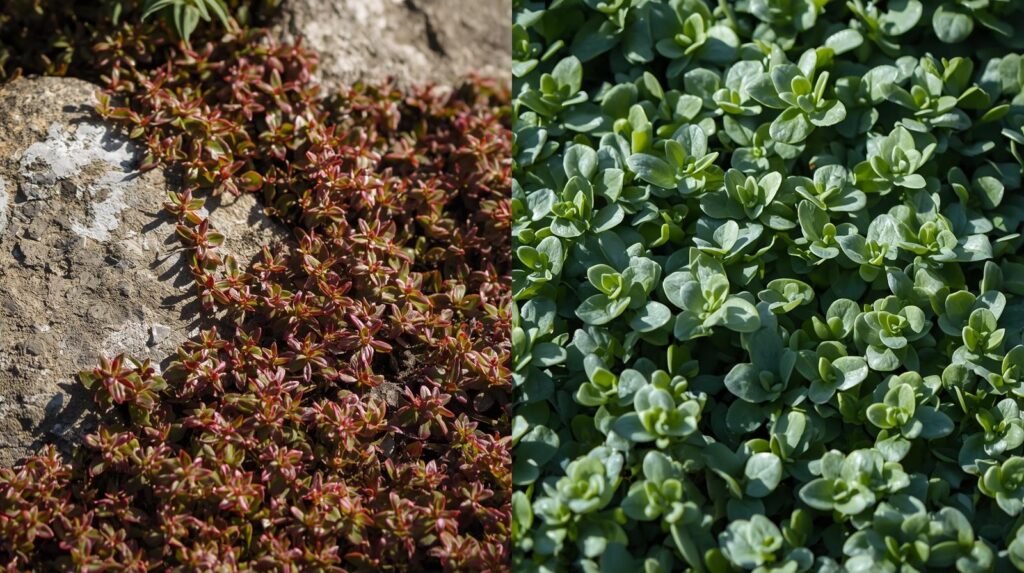
Periwinkle, also known as vinca, is a classic ground cover plant that returns every year. It features glossy green leaves and delicate purple or blue flowers. Periwinkle grows well in both sun and shade, making it very versatile. It spreads rapidly and forms a dense mat that blocks weeds effectively. This plant is often used in large landscape areas. Periwinkle requires minimal pruning once established. It tolerates a wide range of soil conditions. Its evergreen foliage adds year-round beauty to gardens.
8. Periwinkle Maintenance and Uses
Periwinkle is known for its strong growth and adaptability. Occasional trimming helps control its spread in smaller gardens. It is drought tolerant once established but grows best with moderate moisture. Periwinkle performs well on slopes and under trees. It is commonly used in public landscapes due to its durability. The plant rarely suffers from pests. Its flowers appear mainly in spring and early summer. Periwinkle is a reliable choice for effortless landscaping.
9. Lambs Ear A Soft and Unique Ground Cover
Lambs ear is a distinctive perennial ground cover with soft, fuzzy leaves. The silver-gray foliage adds texture and contrast to garden beds. This plant prefers full sun and well-drained soil. Lambs ear spreads slowly and forms a thick mat over time. It produces tall flower spikes in summer, though many gardeners remove them to focus on foliage. The plant is drought tolerant and deer resistant. Lambs ear is ideal for borders and pathways. It reliably returns every year with minimal care.
10. Lambs Ear Care and Garden Placement
Lambs ear requires good air circulation to prevent moisture problems. Overwatering should be avoided, especially in humid climates. The plant performs best in dry, sunny locations. It is often used as an edging plant. Lambs ear adds a sensory element to gardens due to its soft texture. Dead leaves can be removed in early spring. It pairs well with colorful flowering plants. Lambs ear is a long-lasting ground cover option.
Comparison Table Ground Cover Plants
| Plant Name | Sun Requirement | Water Needs | Special Feature |
|---|---|---|---|
| Creeping Thyme | Full sun | Low | Fragrant and walkable |
| Ajuga | Partial shade | Moderate | Colorful foliage |
| Sedum | Full sun | Very low | Drought tolerant |
| Periwinkle | Sun to shade | Moderate | Evergreen growth |
| Lambs Ear | Full sun | Low | Soft silver leaves |