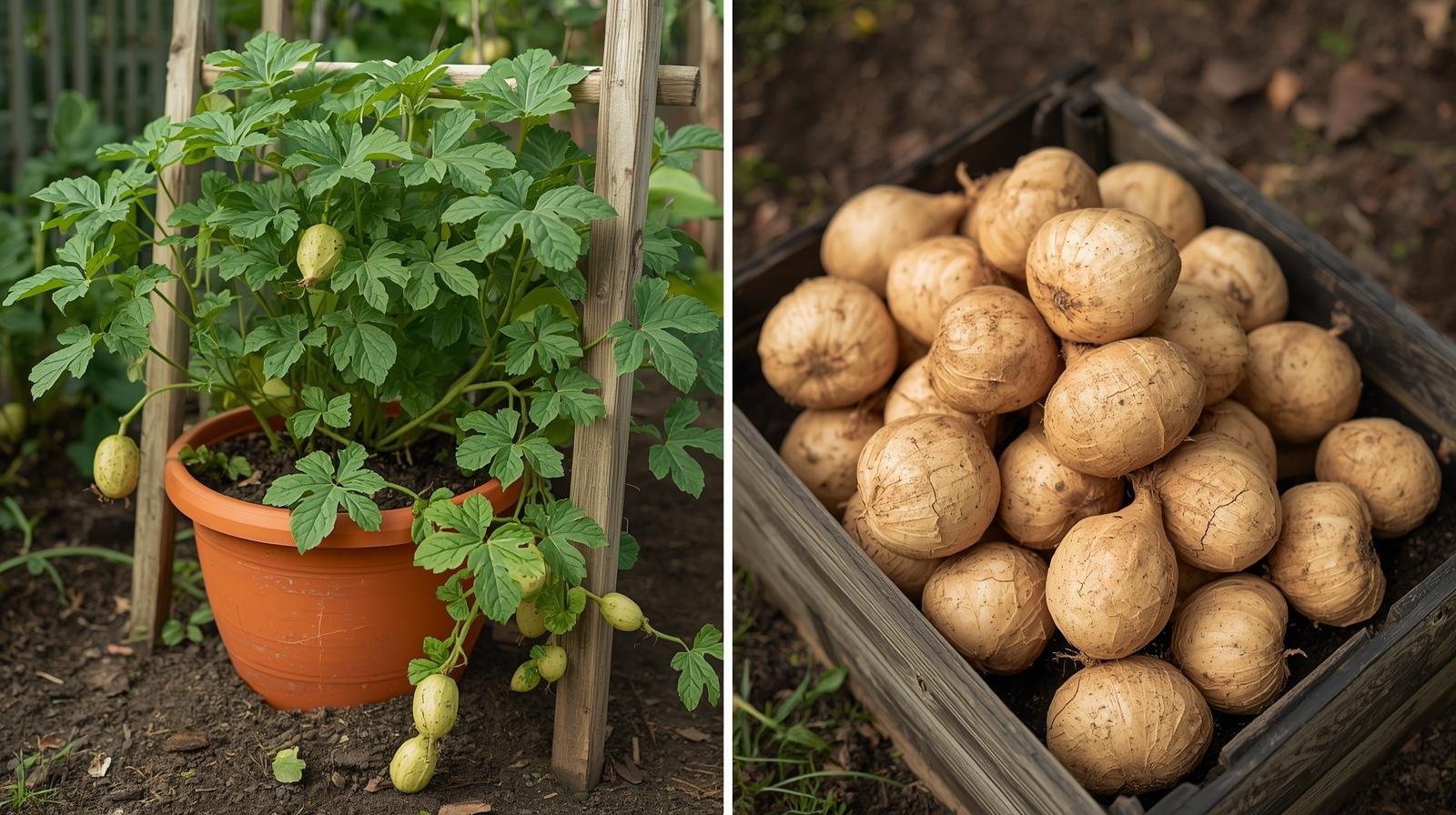

1. Introduction to Growing Jicama in Small Spaces
Jicama is a tropical root vegetable known for its crisp texture and mild sweetness. Many gardeners believe it requires large farmland, but it grows surprisingly well in containers or raised beds. With proper planning, even small spaces can produce abundant harvests. Jicama develops underground tubers while vines grow above ground. Understanding its growth habit is essential. Container gardening offers better soil control. Raised beds improve drainage. This guide focuses on maximizing yield efficiently.
2. Understanding Jicama Growth Characteristics
Jicama grows as a vigorous vine with tubers forming beneath the soil. The plant focuses energy on root development. Long growing seasons support larger tubers. Warm temperatures encourage steady growth. Vines can climb or trail. Flowering does not affect tuber quality. Understanding growth behavior helps improve yield. Container restrictions can still support healthy plants.
3. Tip One: Choosing the Right Container or Bed Size
Container size directly affects tuber growth. A deep container allows tubers to expand freely. Raised beds should be at least twelve inches deep. Wider containers support multiple plants. Restricted space leads to smaller tubers. Drainage holes prevent waterlogging. Choosing the correct size ensures success. Space planning is the first step.
4. Soil Preparation for Maximum Yield
Loose and fertile soil is essential for jicama. Compacted soil restricts tuber expansion. A mix of garden soil and compost works best. Organic matter improves moisture retention. Slightly sandy texture encourages smooth tubers. Soil should drain well. Healthy soil supports root growth. Preparation impacts final harvest size.
5. Tip Two: Selecting High-Quality Seeds
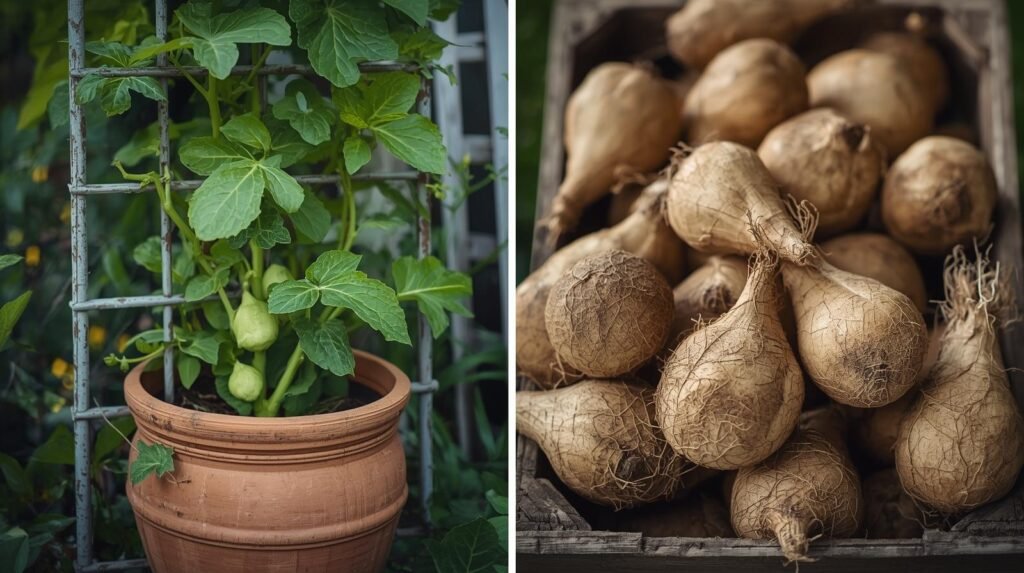
Healthy seeds determine plant vigor. Choose fresh jicama seeds from reliable sources. Old seeds have lower germination rates. Strong seedlings produce better tubers. Seed quality affects early growth stages. Avoid damaged seeds. Good genetics improve productivity. Seed selection sets the foundation.
6. Planting Depth and Spacing
Plant jicama seeds shallowly. One to two inches deep is ideal. Space plants generously to avoid competition. Crowded plants produce smaller tubers. Proper spacing improves airflow. Roots need room to expand. Correct planting promotes healthy growth. Spacing matters in containers.
7. Tip Three: Providing Full Sunlight
Jicama thrives in full sun. At least six to eight hours of sunlight is required daily. Sunlight drives photosynthesis. Shaded plants grow weak vines. Reduced sunlight lowers tuber size. Containers should be placed in open areas. Raised beds should avoid shade. Light availability affects yield.
8. Watering Practices for Container Jicama
Consistent watering is important. Soil should remain evenly moist. Overwatering causes root rot. Underwatering leads to woody tubers. Containers dry out faster than ground soil. Mulching helps retain moisture. Water deeply but infrequently. Balanced moisture improves quality.
9. Tip Four: Fertilizing Correctly
Jicama benefits from balanced nutrition. Organic compost provides slow-release nutrients. Excess nitrogen causes leafy growth instead of tubers. Potassium supports root development. Fertilize lightly during early growth. Reduce feeding as tubers form. Correct fertilization boosts yield. Nutrition must be controlled.
10. Supporting the Vine Growth
Jicama vines grow vigorously. Trellising saves space. Vertical growth improves airflow. Vines should be trained gently. Supporting vines reduces disease risk. Containers benefit from upward growth. Trellises prevent overcrowding. Vine management improves plant health.
11. Tip Five: Controlling Flowering
Allowing flowers reduces tuber size. Pinching flowers redirects energy underground. Flower control is essential for large harvests. Regular inspection prevents flowering. Container-grown plants flower more easily. Removing flowers improves tuber development. This tip significantly increases yield. Energy management is key.
12. Pest and Disease Management
Jicama is relatively pest-resistant. Aphids may attack young vines. Neem oil controls pests naturally. Good airflow prevents fungal diseases. Containers reduce soil-borne problems. Regular monitoring prevents infestations. Healthy plants resist disease. Prevention is always better.
13. Mulching Benefits
Mulching conserves soil moisture. It regulates soil temperature. Organic mulch improves soil structure. Mulch reduces weed competition. Containers benefit greatly from mulching. Raised beds retain moisture longer. Mulching supports tuber growth. Soil health improves naturally.
14. Growth Timeline Expectations
Jicama requires a long growing season. Tubers develop slowly underground. Harvest usually occurs after five to six months. Early harvesting produces small tubers. Patience leads to larger harvests. Warm climates support longer growth. Timing affects sweetness. Growth monitoring is important.
15. Signs of Healthy Tuber Development
Healthy plants show vigorous vine growth. Leaves remain green and strong. Soil surface remains slightly raised. Tubers grow steadily beneath. Lack of stress supports development. Even watering encourages uniform tubers. Healthy growth leads to sweetness. Observation is essential.
16. Harvesting Jicama in Containers
Harvest when vines begin to yellow. Loosen soil gently. Lift tubers carefully to avoid damage. Large containers make harvesting easier. Clean tubers after harvest. Avoid bruising the skin. Proper harvesting preserves quality. Timing is crucial.
17. Post-Harvest Handling
Wash tubers gently. Dry before storage. Store in a cool, dry place. Avoid refrigeration. Proper handling extends shelf life. Container-grown tubers store well. Clean storage prevents rot. Care maintains freshness.
18. Expected Yield from Containers
One container can produce multiple tubers. Yield depends on care. Larger containers yield more. Flower control increases size. Sunlight improves sweetness. Raised beds often produce higher yields. Productivity surprises many gardeners. Results reward effort.
19. Benefits of Growing Jicama at Home
Homegrown jicama is chemical-free. Fresh tubers taste sweeter. Gardening improves food security. Containers save space. Raised beds improve accessibility. Growing jicama builds gardening skills. Harvest satisfaction is high. Home gardens offer control.
20. Conclusion
Growing a ton of jicama in one container or raised bed is achievable. Following the five proven tips maximizes success. Proper soil, sunlight, watering, and flower control matter most. Containers offer flexibility. Raised beds support deeper growth. Patience leads to rewarding harvests. Jicama thrives with care. Home gardeners can enjoy abundance.
📊 Table: Jicama Container Growing Summary
| Growing Aspect | Best Practice | Benefit |
|---|---|---|
| Container size | Deep and wide | Large tubers |
| Sunlight | Full sun | Sweet roots |
| Fertilizer | Low nitrogen | Better tubers |
| Flower control | Remove flowers | Higher yield |