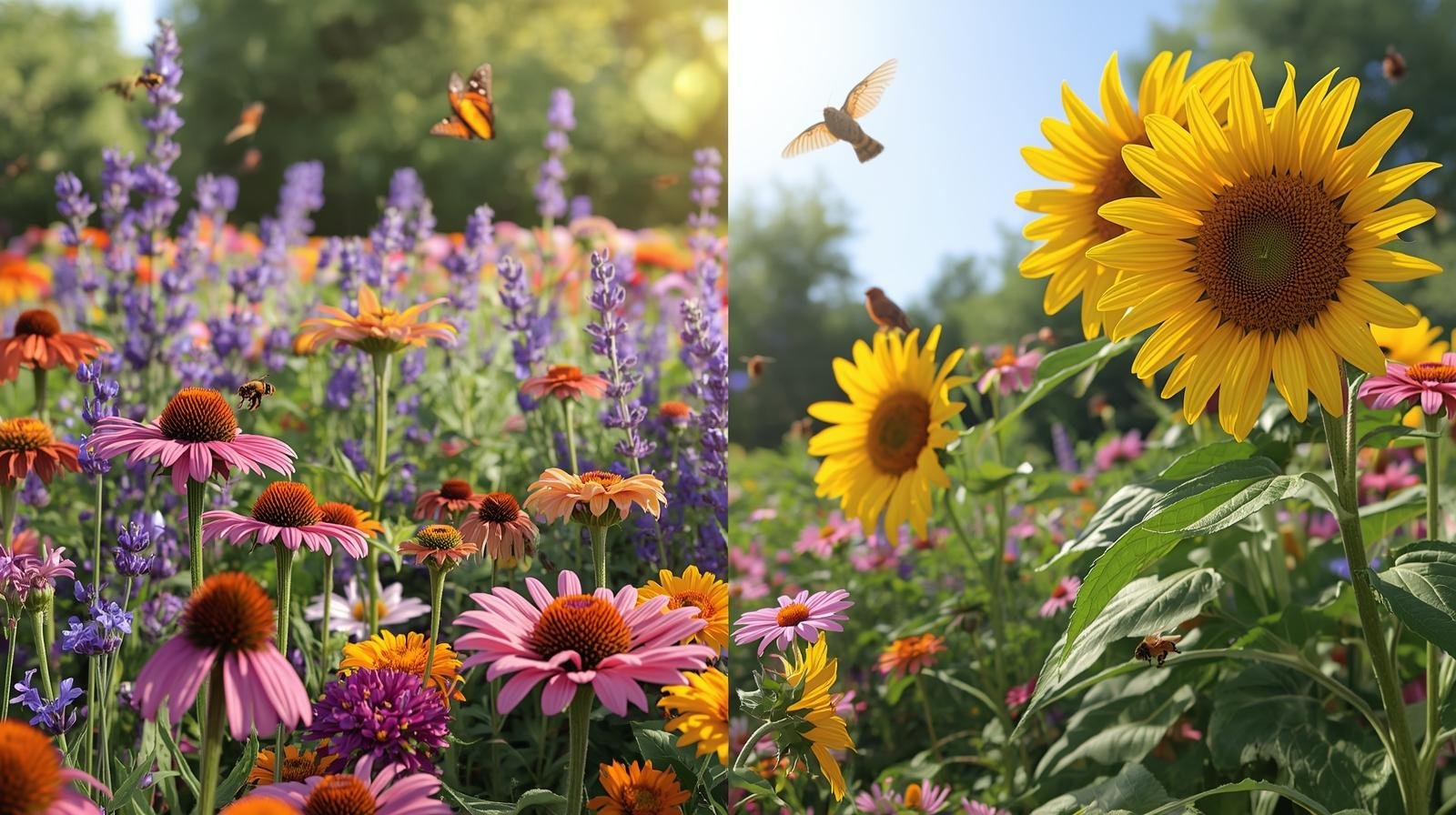

Introduction: Why Pollinators Are Essential for a Thriving Garden
Pollinators play a vital role in healthy gardens and ecosystems. Bees butterflies and birds help plants reproduce naturally. Without pollinators many flowers and vegetables would fail. Modern gardening often lacks pollinator friendly plants. Adding the right flowers restores balance. Experts recommend specific blooms for best results. These flowers provide nectar and pollen. A pollinator friendly garden boosts yields and beauty.
Understanding How Flowers Attract Pollinators
Flowers attract pollinators through color scent and nectar. Bright colors guide insects visually. Fragrance helps pollinators locate blooms. Nectar provides energy for flight. Pollen supplies protein. Flower shape matters for access. Native plants are especially effective. Bloom timing supports continuous feeding. Understanding attraction improves garden success.
Importance of Native Flowers for Pollinators
Native flowers evolved with local pollinators. They provide ideal nutrition naturally. Pollinators recognize native blooms easily. These plants require less maintenance. Native species bloom at correct times. They resist local pests better. Soil adaptation improves growth. Native flowers strengthen ecosystems naturally.
Flower One: Coneflower for Bees and Butterflies
Coneflowers are pollinator magnets. Their open centers provide easy access. Bees love their abundant pollen. Butterflies feed on nectar regularly. Coneflowers bloom for months. They tolerate drought well. Their seed heads feed birds later. Experts recommend them for beginner gardens.
How to Grow Coneflowers Successfully
Coneflowers prefer full sun exposure. Well drained soil works best. They tolerate poor soil conditions. Water regularly during establishment. Deadheading extends blooming period. They resist most pests naturally. Minimal fertilization is required. Coneflowers thrive with little effort.
Flower Two: Lavender for Long Season Pollination
Lavender attracts bees intensely. Its fragrance draws pollinators from afar. Blooming lasts throughout summer. Lavender thrives in warm climates. It prefers dry soil conditions. Pollinators rely on its nectar. Experts recommend lavender for patios. It supports beneficial insects reliably.
Growing Lavender in Home Gardens
Lavender needs full sunlight daily. Soil must drain efficiently. Overwatering causes root issues. Pruning encourages bushy growth. Flower spikes attract pollinators strongly. Container growing works well. Avoid heavy fertilization. Lavender rewards minimal care.
Flower Three: Sunflowers for Multiple Pollinators
Sunflowers attract bees birds and butterflies. Their large heads provide abundant pollen. Bees collect pollen eagerly. Birds enjoy seeds later. Sunflowers grow quickly. They add visual impact. Experts suggest them for diversity. They support pollinators and wildlife.
Best Practices for Growing Sunflowers
Plant sunflowers in full sun. Space them adequately for airflow. Water deeply during early growth. Taller varieties need support. Avoid overfertilizing. Harvest seeds after maturity. Leave some for birds. Sunflowers enrich garden life.
Flower Four: Zinnias for Continuous Pollinator Activity
Zinnias bloom non stop all season. Their bright colors attract butterflies. Bees also visit frequently. Zinnias are easy to grow. They thrive in warm climates. Deadheading increases blooms. Experts recommend zinnias for beginners. Pollinator activity remains constant.
How to Care for Zinnias Effectively
Zinnias prefer sunny locations. Well drained soil is essential. Water at the base to prevent disease. Space plants for airflow. Remove spent blooms regularly. Avoid overhead watering. Zinnias reward care with flowers. Pollinators will follow.
Flower Five: Cosmos for Natural Pollinator Support
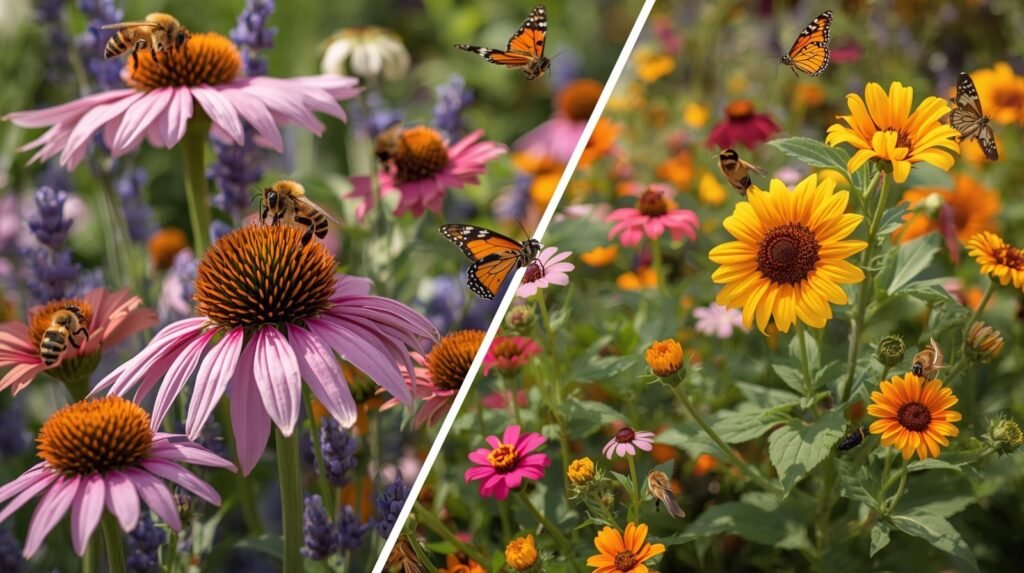
Cosmos produce delicate open flowers. Pollinators access nectar easily. Bees butterflies and hoverflies visit often. Cosmos bloom abundantly. They tolerate poor soil. Experts recommend them for wild gardens. Low maintenance suits busy gardeners. Pollinators thrive naturally.
Growing Cosmos with Minimal Effort
Cosmos grow from seed easily. Full sun ensures best blooms. Avoid rich soil for stronger stems. Water moderately during dry spells. Deadheading extends flowering. They self seed easily. Cosmos create natural habitats. Pollinators benefit greatly.
Creating a Pollinator Friendly Garden Layout
Group flowers for visibility. Mix colors and heights. Provide continuous blooms. Avoid chemical pesticides. Add water sources nearby. Shelter supports pollinators. Diversity increases effectiveness. Thoughtful design improves results.
Seasonal Bloom Planning for Pollinators
Early spring blooms feed emerging bees. Summer flowers sustain activity. Fall blooms support migration. Continuous flowering is crucial. Experts recommend staggered planting. Seasonal planning prevents food gaps. Pollinators depend on timing. Gardens become reliable habitats.
Avoiding Common Pollinator Gardening Mistakes
Overusing pesticides harms insects. Lack of flower diversity limits attraction. Short blooming periods reduce benefits. Ignoring native plants weakens impact. Overfertilizing reduces nectar. Neglecting water sources affects survival. Awareness improves pollinator support.
Long Term Benefits of Pollinator Gardens
Increased vegetable yields occur naturally. Fruit production improves. Garden health strengthens. Biodiversity increases visibly. Pest control improves naturally. Soil health benefits indirectly. Pollinator gardens sustain ecosystems.
Expert Tips for Maximizing Pollinator Visits
Plant in clusters rather than singles. Choose single petal flowers. Avoid hybrids lacking nectar. Leave seed heads intact. Provide nesting areas. Observe pollinator behavior. Adjust plant choices accordingly.
Table: Best Flowers for Attracting Pollinators
Flower Name
Coneflower attracts bees and butterflies
Flower Name
Lavender attracts bees strongly
Flower Name
Sunflower supports bees and birds
Flower Name
Zinnia attracts butterflies continuously
Flower Name
Cosmos supports diverse pollinators